

Four Sub-$1,000 Methods For Boosting Most Engines' Horsepower, Ranked By Easiness
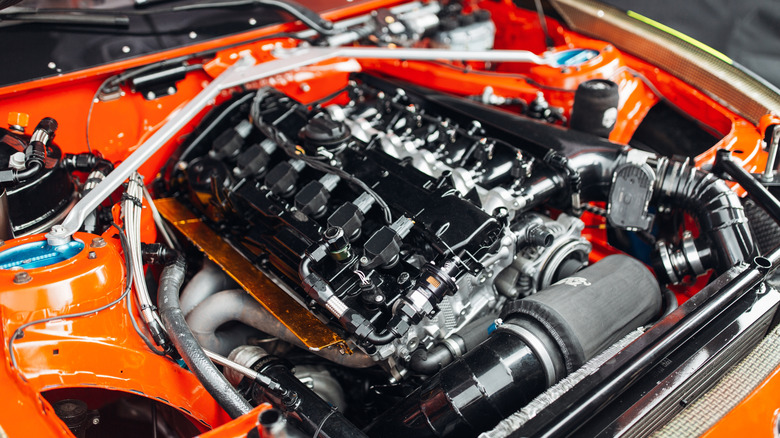
Here's the thing about horsepower — you don't always need to spend a fortune to get more of it. A surprising amount of power is left on the table by most factory engines straight from the dealership, and the aftermarket world has known this for decades. There are plenty of ways to increase horsepower without an engine swap, and most of them don't require a shop, a second mortgage, or a weekend of pulling your engine apart.
It's quite the opposite, and some of the most effective methods cost less than a car payment and don't require much else besides time, a bit of money, and a DIY-friendly enthusiast. The modifications that deliver real, verifiable gains under $1,000 are, from easiest to most involved, a cold air intake, a cat-back exhaust, an ECU tune, and performance headers.
Some of them take less than an hour. Some take a Saturday. How much you actually gain depends heavily on how your engine takes in air, ignites the fuel, and how you combine these mods — but the ceiling can be surprisingly high. Here's how each method stacks up, how much they cost, and what you need to keep in mind to make the most of them.
How to tune your car on a $1,000 budget
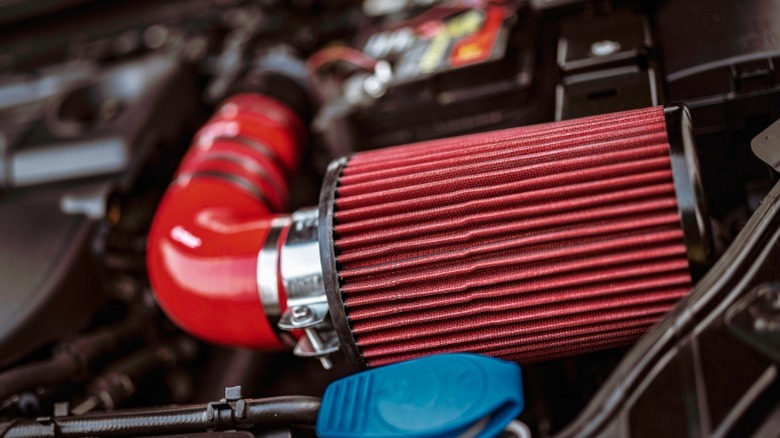
A cold air intake is a great starting point to gain power on a budget. Kits from brands like K&N or AEM run $150 to $500 (or more for high-end solutions) and take around 60 minutes to install. This mod adds somewhere between 5 and 20 horsepower, though adding a cold air intake on larger V8 engines can push that number higher.
A cat-back exhaust pairs well with a cold air intake. The install is more physically involved, but it's still within DIY territory for an enthusiast and a helper. Entry-level systems can cost between $300 and $500, while many mid-range solutions top out at around $1,000. Naturally aspirated engines tend to see single-digit to low double-digit improvements. With forced induction, these systems can sometimes add 15 horsepower.
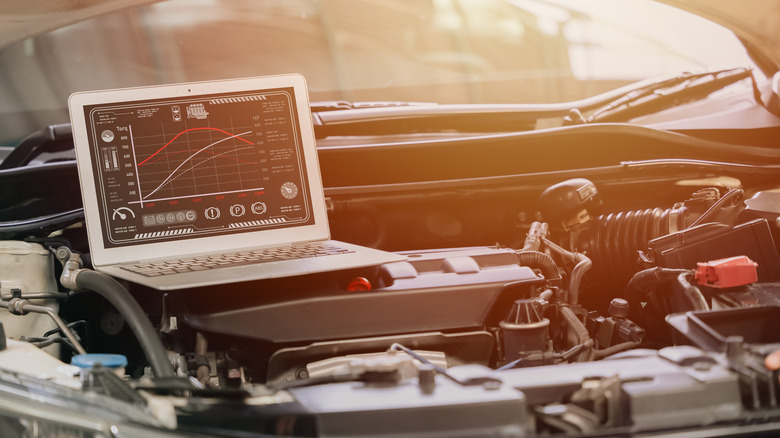
From a dollar-per-power perspective, it's hard to beat an ECU tune. However, for an amateur, it can be the most technically demanding mod on this list — get it wrong, and it can hurt performance rather than help it. Professional help is often the safer route. As The Drive reported, an ECU reflash of a 2022 Civic uncovered an extra 34 horsepower. Cheaper plug-and-play solutions typically cost $300 to $500 and use riskier maps. Regardless, pricing varies — a professional dyno tune can run $700 or more, with required hardware modules often adding several hundred dollars on top.
Headers are the most labor-intensive mod on this list, but the power reward is real. Gains of 5 to over 20 horsepower are possible, depending on the setup. Still, it can take you half a day to install one, with a helper making all the difference. Entry-level headers can cost around $200, while more expensive systems can climb into the thousands.
What to know before tuning
Before spending anything, a few things are worth understanding. Each component — a cold air intake, cat-back exhaust, headers, or an ECU tune — can provide a modest increase on its own. This means that mods work best when paired with one another strategically. Second, adding hardware without updating your tune can backfire badly. For instance, without a supporting tune, a cold air intake can cause an engine to run rich and misfire because the software doesn't know how to handle the extra airflow.
Third — and this one stings if you own a new car — according to Edmunds, a former warranty administrator for BMW and Acura confirms that "modifications may raise a red flag when vehicles are in for service." In fact, some dealership technicians report being forced to deny warranty claims for drivers who modify their engines.
The worst part is that even if the root cause is unclear, a dealer can charge you to determine whether your modification is responsible, meaning you may end up paying just to have your warranty claim denied. We have a full breakdown of which common mods can void your car's warranty, and the list is longer than most people expect.