

Rivian Rides High On Consumer Reports Owner Scores, But Then Again, So Did Tesla
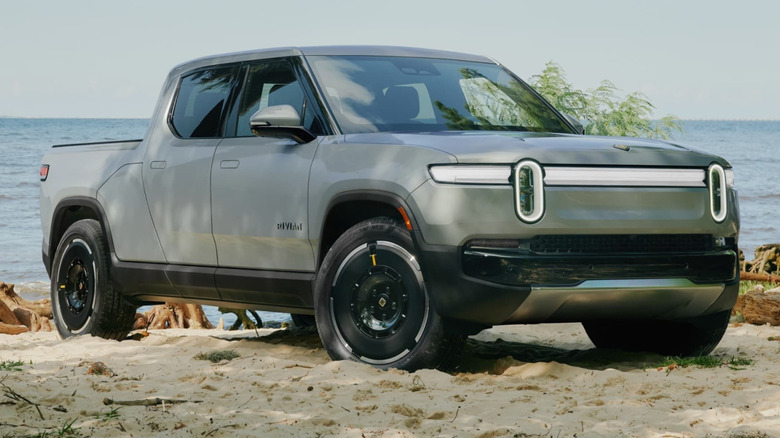
Rivian is cream of the crop in Consumer Reports' 2026 owner satisfaction survey, with an overwhelming 85% of respondents indicating they would buy from the brand again. That makes it the highest-scoring carmaker in the non-profit organization's owner satisfaction ratings for the third year in a row. It's a massive achievement when you consider that the Irvine-based company only started delivering its debut vehicle, the R1T electric pickup truck, in 2021. Owners of the 2026 Rivian models are happiest with the R1T truck, with a staggering 91% saying they would choose the same vehicle again if they had the chance.
Such a situation isn't so surprising given high customer satisfaction typically leads to customer loyalty. Satisfaction levels for the R1S stood at 79%. One key Rivian attribute that most fulfilled customers expectations was comfort, where the brand ranked ahead of Genesis, Lincoln, Audi, BMW, and Ram.This doesn't necessarily mean that Rivian vehicles are much more comfortable than a BMW or Audi, but rather that they meet the comfort expectations that consumers have for a Rivian.
Driving experience ranked highly too, in second place, as did ownership cost. But owners did give enough thumbs up to grant Rivian the highest satisfaction levels in the usability department. The outstanding result is well deserved. But of course, now comes the really hard part — staying on top in the long term. If ever it needs reminding that things can change in an instant, Rivian could take Tesla's experience as a warning against complacency.
Tesla's loosening grip
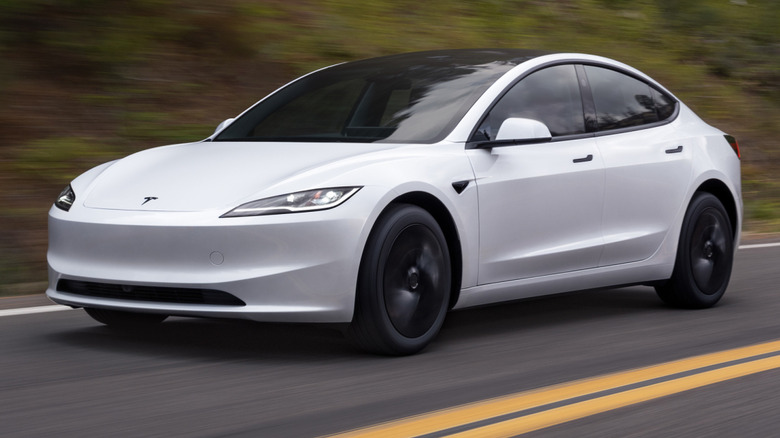
Like Rivian today, Tesla once enjoyed an era of domination. It earned the highest satisfaction rate among surveyed brands between 2013 and the early 2020s. In 2016, for instance, an astounding 91% of people that already owned a Tesla said they would put their money into buying and owning the brand again, if they needed to replace their cars. Much of that is down to its strong performance credentials and Supercharging network infrastructure, among other things.
However, at the other end of the scale, Tesla's patchy reliability record persisted. The company's EVs were known to suffer problems ranging from failing door handles to squeaks, unintended acceleration, brake failures, as well as suspension and half-shaft troubles. Still, these issues appear to have had little impact on loyalty among Tesla owners — at least initially.
Fast-forward to 2026 and Tesla has indeed improved things reliability wise. But some of the same issues continue to linger, and so loyal customers are understandably starting to tune out. According to the Consumer Reports 2026 customer satisfaction ratings, only 69% of drivers said they would consider a Tesla next time, placing it fourth behind Rivian, BMW, and Subaru.
Some of the biggest factors for public dissatisfaction have been poor quality and bad service experiences, according to a KBB report citing a Bloomberg study on the Model 3. A more recent post by Bloomberg lists Tesla CEO Elon Musk's activities, dated models, old technology, and subpar parts among the most common reasons for departures from the brand.
What does this mean for Rivian?
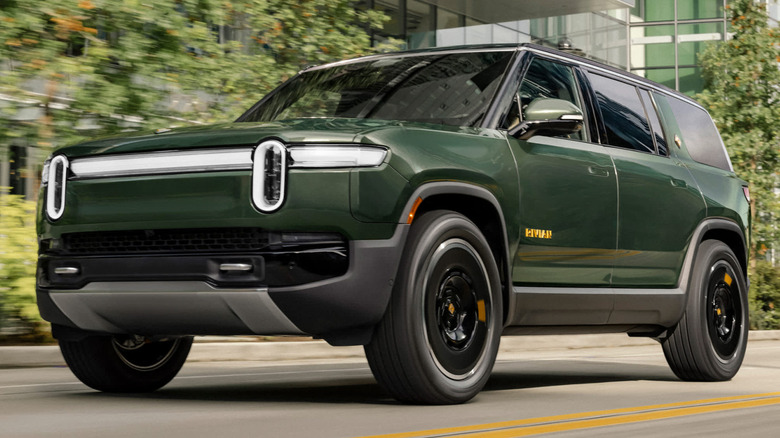
Rivian can't just rest on its laurels. Looking ahead, the company will do well to stay abreast of emerging trends and deliver vehicles that emphatically tick most boxes for consumers. And there's a lot that can be improved upon over the coming years, starting with build quality. Despite finding favor with drivers, Rivian finished dead last once again in Consumer Reports' brand reliability rankings, with the R1T earning a very poor rating.
This comes as no surprise. Since Rivian is a startup that's still relatively new to making cars, it could take it some time to iron out initial issues. But it is also important to make solving the reliability and quality issues a priority while brand loyalty is still going strong. The repair and service experience could be better, too, as there have been numerous complaints about scheduling and service delays, with some owners claiming they have waited months for repairs due to parts shortages.
Granted, fixing these issues still won't guarantee top spot in future satisfaction surveys, or stop buyers from leaving the honeymoon period. Nevertheless, they do increase the likelihood that Rivian's relationship with consumers could turn into something more meaningful and lasting.