

How To Register A Kit Car With The Least Amount Of Hassle
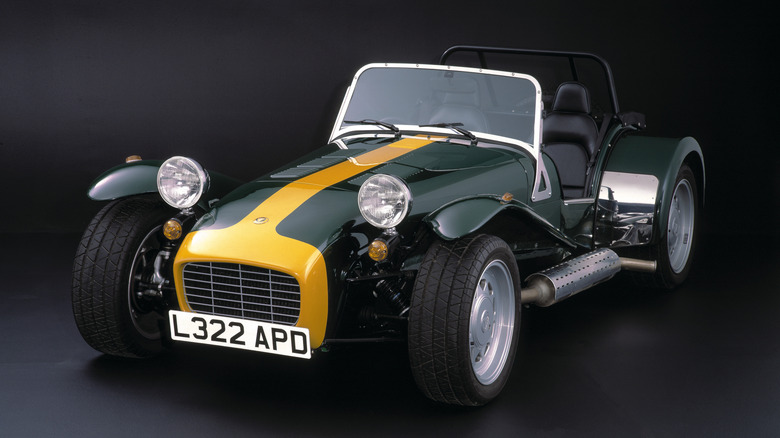
So you've built your kit car or had it built, and now you're ready to register it so you can drive it on the street. You might be thinking you just need to get it insured, then you can go to the DMV. But how will you get it insured without a Vehicle Identification Number (VIN)? And don't assume you'll be able to use the VIN from the donor chassis (if you're using a donor chassis).
Okay, so once you get a VIN from the government, you're good to go, right? Not quite. Did you check your state's laws about building kit cars? Are you sure you don't have any disallowed parts on it? Did you gather all receipts for every part that you bought? As you can see, getting a kit car registered is not as easy as it is for a regular vehicle. Requirements differ from state to state and are not legally defined very well in some parts of the country.
Basically, the process of getting your kit car registered begins before you start the build. It starts with researching your state's laws. Once you begin your build, make sure to get and keep receipts and Manufacturer's Certificates of Origin (MCOs), if applicable, for every part. Then, get a VIN for the vehicle from the government. The next step, in most states, is to find a company that will insure the car. And then finally, get that thing registered.
Before you build and while you're building
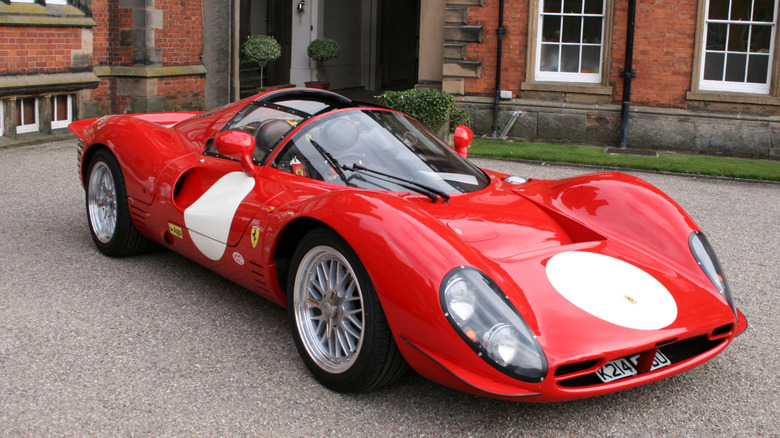
While they can look wildly expensive, kit cars are sometimes so affordable they seem illegal. They are, in fact, legal in every state, as long as they're built to meet state requirements and registered. That's why you need to know what those requirements are before you begin to build. It would be a shame to finish the car only to find out you can't drive it on the street legally.
Laws vary from state to state. California, for example, makes registering a kit car particularly challenging, though not impossible. In addition to the application for a title and registration, you also need to file a Statement of Construction (DMV Form REG 5036). On the form, you have to provide details on all of the major parts used to build your car and how much they cost. The California government needs that last part so that it can calculate use tax. Then, you get to go through the inspections.
There are only two inspections, if you're fortunate. There's the DMV inspection to make sure the parts on your car match your application. Then your kit car gets a more detailed inspection by the Highway Patrol to make sure it's safe and doesn't have any stolen parts. If you were among the first 500 to apply for a smog exception for the year, you don't have to get the emissions test. If not, you'll have to pass that inspection, too.
Getting a VIN
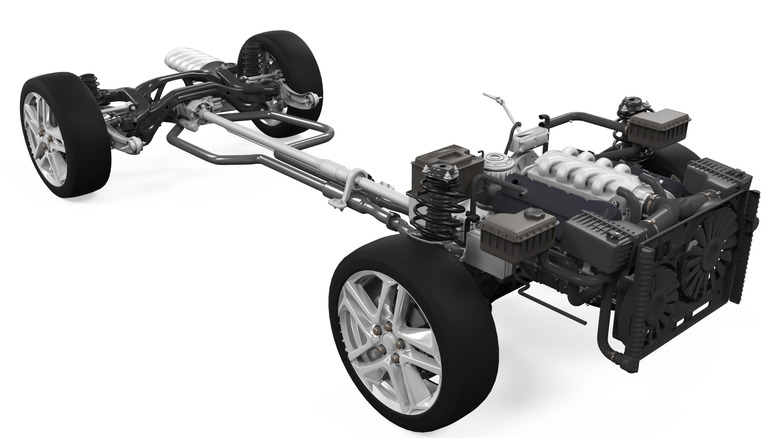
Once you've built your kit car to state requirements and passed mandatory inspections, it's time to get a VIN. In California, the Highway Patrol will issue you a VIN once your car passes their inspection. But what if you're using a donor chassis? Why not just use that VIN? We can't recommend it. For one thing, it is expressly against the law in some places.
The Virginia DMV states it plainly, "A replica vehicle built on the chassis from another vehicle may NOT use the VIN from the existing chassis." Think about it — that information in a VIN tells the vehicle's model year and make. Whatever you built onto that chassis is not the vehicle associated with that VIN. Using the VIN on the donor chassis in some ways defeats the very purpose of having a VIN, because the information associated with that VIN is no longer useful in identifying the car.
Imagine getting into legal trouble down the road because the police have some reason to check your VIN, only to find out it doesn't match the vehicle in the database. Or maybe you'll need to file a claim at some point, but your insurance won't pay out because the information they have for that VIN doesn't match what you're actually driving.
Getting insurance
Now that you've built your beautiful kit car (and some kit cars are incredibly beautiful), you want to protect your baby. Getting insurance is another one of those hard but possible things associated with making your kit car legal. The fact is that a lot of conventional insurance companies, even the big ones, aren't equipped to adequately cover a car built from scratch.
Insurers often rely on the book value of a vehicle and on tried-and-tested ways of determining a car's depreciation. But your kit car doesn't have a book value and doesn't depreciate in the exact same way as other cars. Also, the VIN that is issued to you by the state is not always a 17-digit VIN. Often it's much shorter, rendering many insurers unable to process it.
There are, however, some carriers which specialize in covering kit cars. NCM Insurance says, "Do you own a Shelby Cobra kit car or tribute car? No problem, we can insure that!" Traction Insurance is another company that covers kit cars. You might also check out Hancock Classic, Grundy, and Barlow Insurance. We're not endorsing or recommending any of these companies, but they all say they cover kit cars, so they might be a good place to start. Companies that do cover these cars assign what's called an "agreed value" to them. This sets the value so that you know exactly what will be paid out for your vehicle if a claim is filed.
Getting registered
Okay, so you've done your legal research, gathered all the receipts and relevant documentation, and gotten your VIN and your insurance figured out. Now it's time to get registered. What do you need to bring to the DMV or county tax office? Well, you probably noticed how the cost of various kit car parts can really add up. Make sure to bring receipts, bills of sale, or invoices for every major part you bought. For some parts, you will also need to bring the MCO. In fact, kit manufacturers will typically issue an MCO for the kit itself, and this is the number state governments often use to issue a VIN, which you will have already gotten by now.
In addition to those things, you may also need to bring photos of the parts you bought, along with photos of the completed vehicle itself. You may need to bring safety certification, also. We talked about the inspections required by California. Many other states require those, as well. If your state requires emissions testing, you'll need to do that or get an exemption.
The process can be a chore and involves a lot of paperwork. It can take a while to get done, too, sometimes lasting months. That's government bureaucracy for you. But registering and titling a kit car is possible in every state and is done every day. Besides, you wouldn't be building a kit car if you liked doing things the easy way.
Understanding kit car state laws
As we said, each state has its own laws regarding kit cars. Virginia, for example, requires that kit cars not be driven more than 5,000 miles per year. The state issues stickers for kit cars, which have to be displayed on the window at all times. It also requires that you provide a detailed notarized statement explaining how the vehicle was constructed in order to get it registered.
On top of all the other things California requires to register a kit car, in some cases you may also need to get a motor vehicle ownership surety bond. The bond must be for the full appraised value of the vehicle. This basically insures against fraud, in case it turns out the person registering the kit car lied and it is actually made of stolen parts.
Texas will deny registration if the car is constructed from parts that came from more than one vehicle class, includes the frame or body from a non-repairable vehicle, uses electrical parts from a flooded vehicle, or is designed for off-street racing only. To register your kit car in Texas, you'll need a letter from the DMV's Regional Service Center. You'll also need to present photos, not just of your assembled car, but if it's a replica, a photo of the vehicle it is a replica of. You'll also need a certified weight certificate, along with a plethora of other documentation. So, whatever state you're in, do your research and be prepared.