

Why It's Probably A Good Idea To Leave The World's Largest Proven Oil Reserve Alone
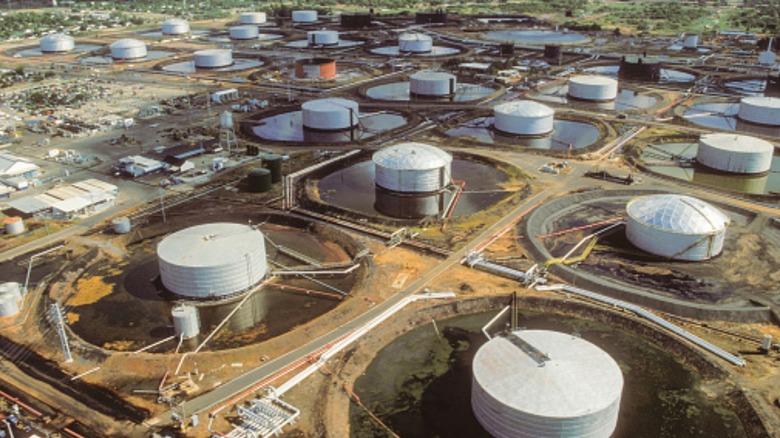
Oil is big news. That's unlikely to change any time soon, as much of what we produce in the modern world relies on it, from air mattresses to yarn and, of course, cars.
Naturally, oil is in demand on a global scale. If you're the one (country) who's got it, then all the better, as you get to extract it in-house and sell it across the globe. Excellent. So, with Venezuela sitting on 19.4% of the world's entire proven crude oil reserves, you'd imagine they're rolling in the cash, dishing it out left, right, and center. You'd think that's especially true right now, with obvious political roadblocks in relation to the large oil reserves of both Russia and Iran.
To put things into perspective, Russia lays claim to 5.1% of the world's proven crude oil reserves, Iran has 13.3%, and the U.S. boasts just 2.9%, barely creeping into the top 10. However, Venezuela barely taps into its monumental natural resources, estimated to be around 303 billion barrels, and for good reason. To expand, a barrel of oil is currently worth around $112. Given the state of the world right now, that figure could change significantly in a matter of days. But as of right now, that means Venezuela — not a particularly cash-rich or fortunate nation – is sitting on right around $33.3 trillion. That said, numerous environmental factors get in the way of extracting this crude oil, and the negatives most likely outweigh any benefits.
What delving into Venezuela's resources may look like
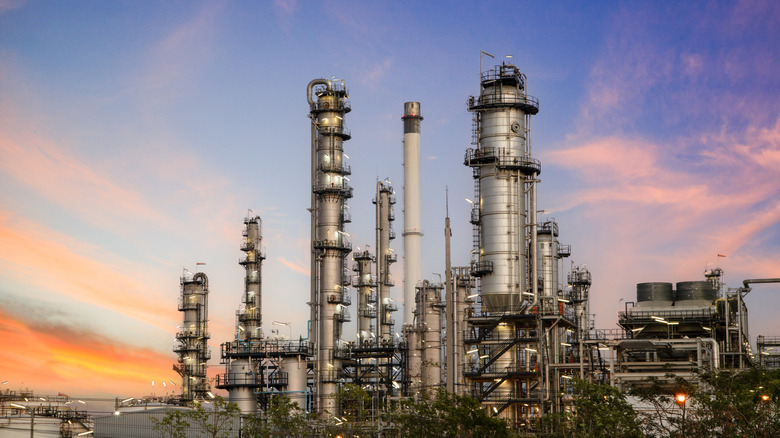
The disastrous effects of tapping into these oil reserves are pretty severe. Venezuela's oil reserves sit within the Orinoco Belt, and through here flows the Orinoco river, which ends its journey as it meets the Atlantic ocean.
First things first, we don't want to see anything like a repeat of the huge Southern Californian oil spill from 2021 again. However, even without a spill, the disruption of natural habitats whilst attempting to tap into these reserves is unavoidable. Dolphins, jaguars, macaws, and, many, many more species' call this area home, including around 1,500 species of fish.
Animals and habitats aside, there are issues with the actual oil, too. Not all oil is created equal, and Venezuela's oil is among the dirtiest and most carbon-ridden out there. That means it's thick and sticky, which makes extraction all the more difficult. It also means that more processing and refining will be required when it's topside. According to an analysis by ClimatePartner and published by The Guardian, bringing Venezuela's oil to a saleable condition would likely use 13% of the world's carbon budget — that budget being the pollution threshold outlined by the Paris Agreement as safe, in order to avoid exceeding 1.5 degrees Celsius of global warming.
Transporting the oil is another environmental cost for the earth to swallow up — pipelines would need constant repair and maintenance, plus that's a lot of oil tankers in the ocean for transportation. It's not unheard of for oil tankers to have accidents while out at sea, which, again, is more opportunity for environmental damage.
The repercussions would hit close to home
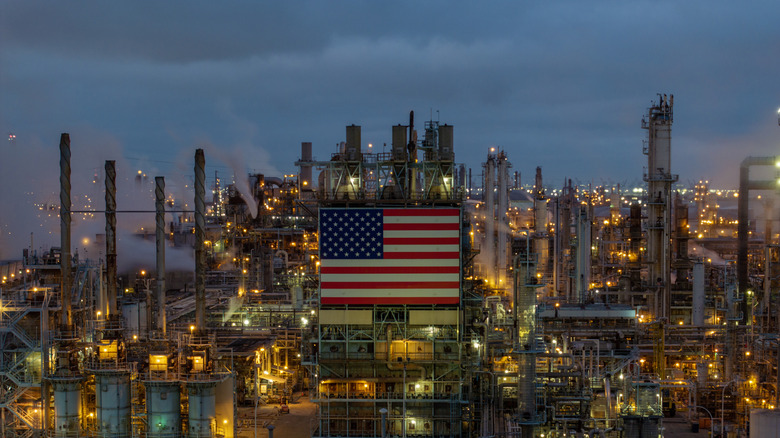
For some, it may be easy to turn a blind eye to the problems if they aren't felt at home. Here's the thing, though: While Venezuela would, indeed, be the hardest hit, folks in the U.S. would have a price to pay also.
The refining of this tar-like oil would most likely take place in the U.S. Gulf Coast region, and it's the local communities here that are hardest hit by such practices. Higher cancer rates, heart disease, and reproductive problems are well-documented consequences of living in the vicinity of large oil refineries. These refineries can also experience huge explosions if things go wrong, like the Chevron oil refinery that exploded near LAX. Furthermore, the placement of these refineries also lowers local house prices, so moving away may not be a financially viable option for those most affected.
In fact, residents near an oil refinery in Mississippi have already requested that Chevron purchase their homes from them in anticipation of Venezuelan oil arriving. These residents are hoping that they can move on and start a life elsewhere before the act of refining takes that option away from them.
So, yes, getting 20% of the world's known crude oil reserves topside would of course come with a handful of benefits. However, considering how disastrous its extraction would be on a global scale, it's probably best we leave it alone.