

How Bernie Madoff's Ponzi Scheme Helped End This Storied American Automaker
A niche automaker focused predominantly on the production of cost-effective, durable taxicabs, the Checker Motors Corporation was best known for now-iconic models such as the Marathon. The Marathon changed very little during its time in production, and became an internationally recognized symbol of American urban transport, much like the later Crown Victoria.
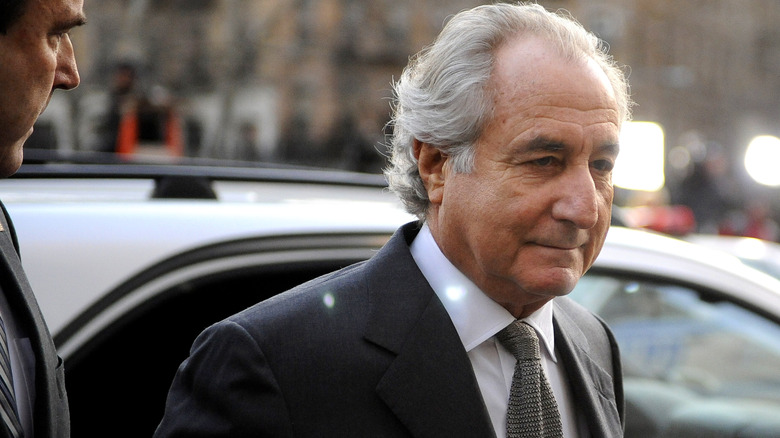
Having kicked off in the 1920s, Checker changed over the years, with the firm's final 21st-century years spent stamping metal components for larger brands such as Buick instead of making its own vehicles. This pivot kept the business viable, but only for so long. There were numerous reasons for Checker's downfall, among them an infamous Ponzi scheme — an investment scam in which new investors pay returns to earlier investors, and so the cycle continues, rather than genuine profits being realized. This particular scam was headed by Bernard Madoff, a former chairman of the Nasdaq stock exchange. It fell apart as investors tried to withdraw billions during a financial crisis.
The exposure of this Ponzi scheme in December 2008 revealed losses across a wide network of investors, and among them was Checker owner David Markin, whose family had been at the company's helm since the start. Figures reported by investigators indicated that investors like Markin lost over $21 billion as funds Madoff managed were revealed to be fraudulent.
The timing proved critical. Checker was already in a tricky spot; the automotive industry was evolving, energy and material costs were soaring, and the financial crisis did little to help matters. Within months, the combined effects of the fraud and the global financial downturn pushed Checker Motors to file for bankruptcy in January 2009.
Understanding Checker's history
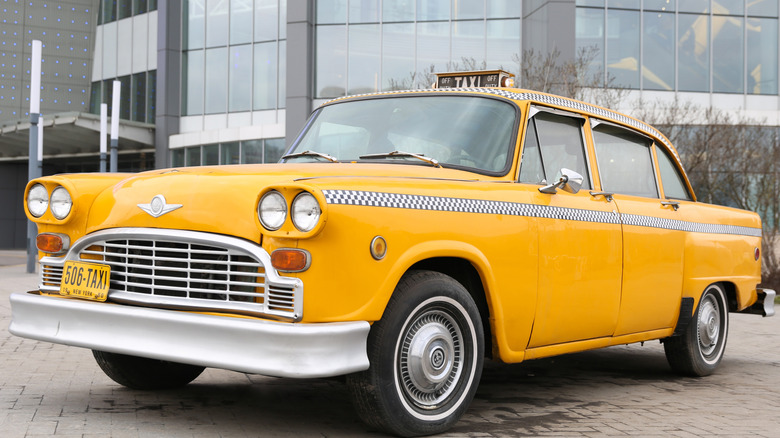
Checker's founder, Morris Markin, consolidated a number of struggling automotive firms in 1922 to form what was then the Checker Cab Manufacturing Company. Early products, the Model C and Model H, were spacious and hard-wearing – perfect for use as taxicabs in the heart of New York. In a genius move, Markin installed a checkered stripe on his cabs so they could instantly be recognized. And he took legal steps to ensure others couldn't copy the idea.
However, the real jewel in Checker's crown arrived decades later, in the form of the Marathon. This most iconic of cabs enjoyed 21 years of production, starting in 1961, and was beloved by drivers and riders alike for its large couch-like rear bench seat. Checker sold the Marathon as a civilian model, too, for those who valued rugged dependability.
A rule change in the early '70s meant mainstream auto manufacturers could sell their products as taxicabs in New York. While the Marathon remained in production for a while, the model was finally discontinued in 1982, following Checker's first unprofitable year. From here on out, the company restructured around its stamping division. There were few plans in place for Checker to rebuild itself, so when the Ponzi scheme losses and financial crisis hit decades later, there was little chance the firm would survive.
Zooming in on Checker's lasting legacy
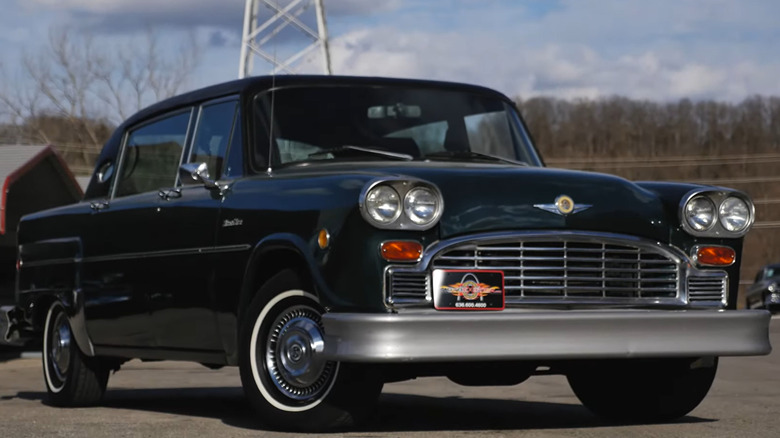
After close to 90 years filling important niches in the American auto industry, Checker had more than its share of fans. Sadly, the company's old factory in Kalamazoo, Michigan has been demolished, but that hasn't stopped Checker aficionados from making visits to the site in celebration of what once was.
To build a clearer picture of how appreciated this once-great American auto manufacturer is today, we can turn to recent auction results. Of course, as taxicabs, many were driven hard and abused through regular use, so they've bitten the dust many years ago, or survived in rough shape. Those few survivors tend to command between $10,000 and $30,000, with scarcer wagon variants – originally intended for civilian use — commanding closer to the top end of this scale.
While the link between David Markin and Bernie Madoff's Ponzi scheme no doubt contributed to the demise of Checker, it was more likely the changing automotive landscape and wider pressures of the financial crisis that really put the firm to rest — no matter how badly we wish Checker still built cars. So while it's doubtful Checker would have continued even without the Madoff connection, it certainly did little to ease the pressures placed on Checker's lap during its final years.