

How Do Lifetime Transmission Filters Work (If They Do)?
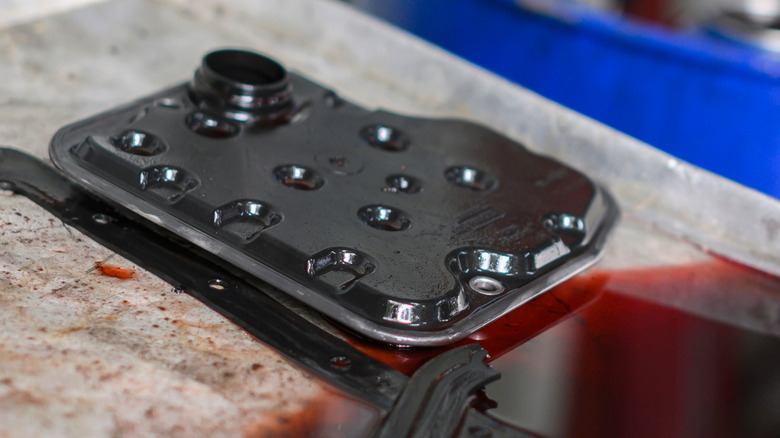
We hate to break it to you, but there's no such thing as a "lifetime" transmission filter. This also applies to the automatic transmission fluid (ATF) or continuously variable transmission (CVT) fluid, since no oil or lubricant is immune to degradation or wear. The farthest we've been so far is synthetic lubricants, which are mainly responsible for why modern engines can go longer between oil changes (from 3,000 miles to 7,500 miles or longer).
The point is that nothing in a car, including the many fluids and filters required to make it run, can last forever. Toyota claims "lifetime" transmission fluids can last longer inside sealed transmission units – particularly those without an ATF or CVT dipstick — and would not require periodic replacements like the good old days, but there's a catch. Toyota adds that fluid changes are optional "unless a problem with the transmission crops up." By that, the brand is essentially telling us to forego ATF inspections and fluid replacements until the damn thing shudders, jolts, hesitates, or refuses to shift into drive, which are telltale signs of a failing automatic gearbox.
Wouldn't it be better to do something earlier, before the transmission hurts itself? For sanity's sake, let's get to the bottom of what "lifetime" means. Valvoline puts it best, explaining that "lifetime" is just a marketing phrase that has more to do with the expected service life of the car, typically until the end of the warranty period. And by that, the lifetime transmission fluid in your car is only expected to last about 100,000 miles or until the warranty expires.
When to replace lifetime transmission fluids and filters
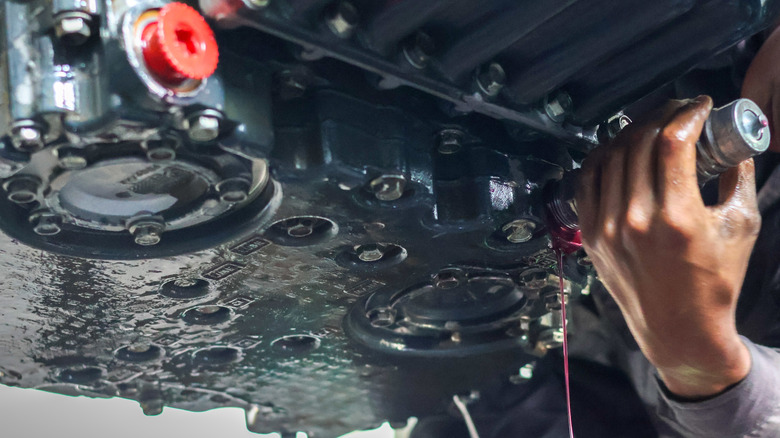
Believe us when we say that you shouldn't wait for something to go wrong before draining the ATF and replacing the transmission filter of your car, and this is despite the vehicle having a sealed unit that was purportedly filled with "lifetime" ATF from the factory. The forever fluid will degrade or thin out significantly over time, and it will eventually oxidize to the point of causing more harm than good. Meanwhile, the corresponding ATF filter will eventually clog with debris and cause problems.
With that in mind, replacing the ATF and the oil filter every 50,000 to 60,000 miles may be necessary to avoid the inconveniences of transmission damage, especially if the vehicle sees extreme use. In some cases, the dealership will include transmission fluid inspections during servicing and may recommend flushing if deemed necessary. For instance, while Ford recommends changing the ATF and filter of a 2021 F-150 every 150,000 miles, it adds that inspecting the ATF level is necessary at every oil change, which is typically standard fare for the enthusiast owner.
But what about sealed automatic transmission units with no dipsticks? It's better to err on the side of caution. Have a mechanic inspect the ATF if your car has already racked up 50,000 or more miles. If the fluid is brown or black, has a somewhat watery consistency, and smells like burnt lubricant, your mechanic will most likely recommend draining it, replacing the filter, and refilling with fresh fluid.
Selecting the right transmission fluid is critical
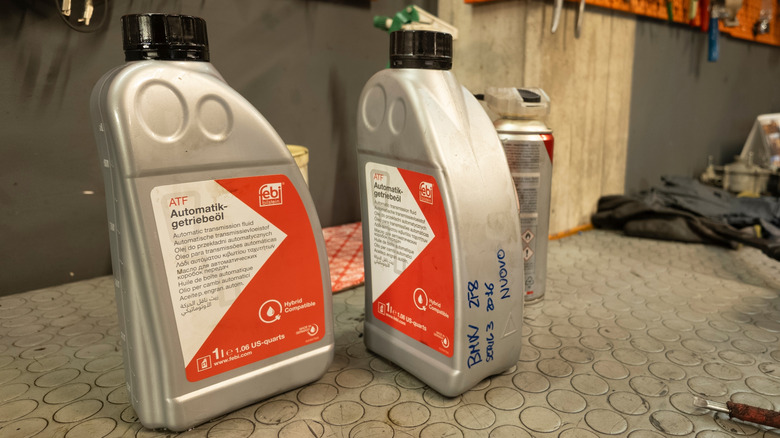
Similar to how the aisles at auto parts stores have a bewildering array of semi-synthetic or fully synthetic engine oils, there are dedicated fluids for cars with CVTs versus ATFs. CVT fluid is different from ATF, and using them interchangeably will have dire consequences, as well as potentially voiding the warranty. If you don't like dealing with slipping gears, premature wear, transmission noises, and the possibility of expensive repair costs, using the right transmission fluid prevents all that.
Again, referring to the owner's manual is key, but it's not hard to discern ATF from CVT fluid. The label on the bottle is a telltale sign, for starters, and ATF has a somewhat reddish or brownish color. On the other hand, CVT fluid can be red or green, but the colors may vary. As for the filter, some vehicles have ATF filters that can be serviced, while sealed units will usually have internal filters.