

Chevron Exec Says You Should Just Drive Less Instead Of Investing In Renewable Energy
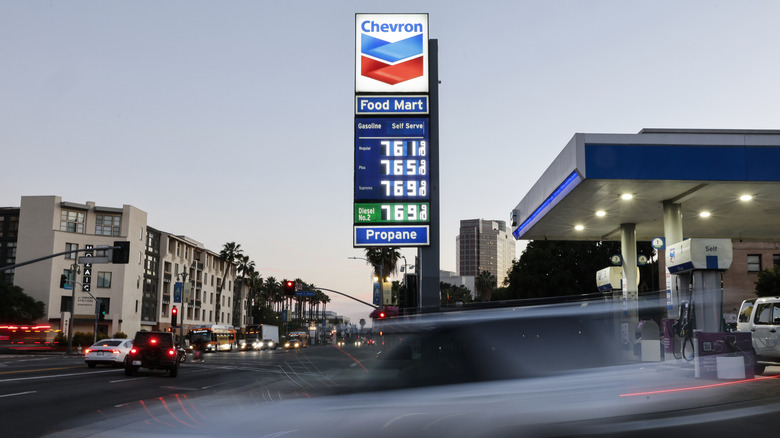
With President Donald Trump ordering the U.S. Navy to block Iranian-toll-paying tankers from transiting the Strait of Hormuz out of the Gulf, no one can predict when the global crude oil market will return to some semblance of normalcy. Chevron executive Andy Walz recommended that people should simply drive less if they don't want to feel the pinch at the pump. The notice implies that drivers are captive customers of oil companies, themselves hostages to Trump's bellicose foreign policy.
Just as with climate change, oil giants would rather shift responsibility to individual consumers.
In an interview with CBS News on Wednesday, Walz said, "People should try to drive less. They should try to conserve energy. We should be doing that all the time. Energy's essential for people's lives, but we should conserve it." However, the executive correctly noted that there could be knock-on effects if this crisis stretched on. The price of oil impacts the price of nearly everything else. The food stocked in grocery stores doesn't reach the shelves on its own. Physical goods needed to be transported somehow. No amount of saving fuel will prevent prices from soaring. The fact that we've built a country, society and lifestyle around driving means many people can't simply drive less, giving this statement from Walz real "let them eat cake" energy.
The U.S. can't satisfy its oil demand, even with world-leading domestic production
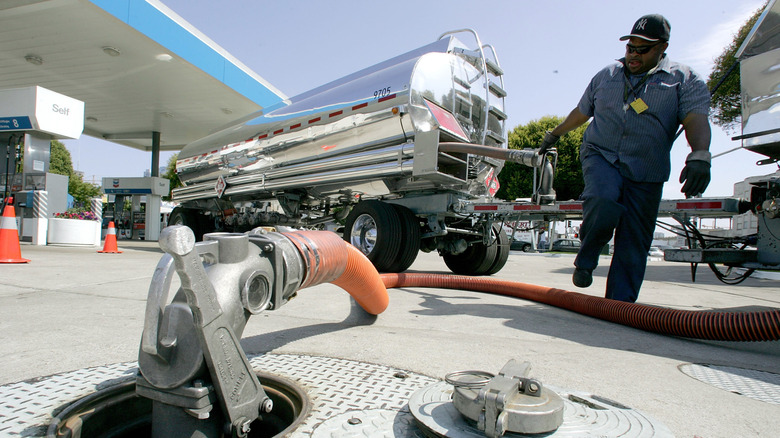
Despite the average price of gas soaring over $4 per gallon, the United States has been largely insulated from the worst of the crude oil price shock. As Trump can't help but mention on Truth Social, this country is the world's leading oil producer. Note, this is different than having the world's largest oil reserve. The U.S. can't produce enough oil to satisfy domestic demand. In fact, roughly 97% of Canada's oil is exported to the U.S. However, it's still a global market. American companies are under no obligation to sell their product to domestic consumers if the price overseas gets high enough.
Oil giants have allegedly worked to ensure that America's demand for oil stays high. Michigan filed an antitrust lawsuit in January against BP, Chevron, Exxon and Shell, accusing them of colluding for decades to stall the development of electric vehicles and hinder other investments in renewable energy. Theodore Boutrous Jr, Chevron's lawyer, said to Reuters, "This lawsuit also ignores the fact that Michigan is highly dependent on oil and gas to support the state's automakers and workers." Teddy is forgetting that these same automakers and workers are the ones building EVs and hybrids.