

What It Means When A Semi Truck Derates
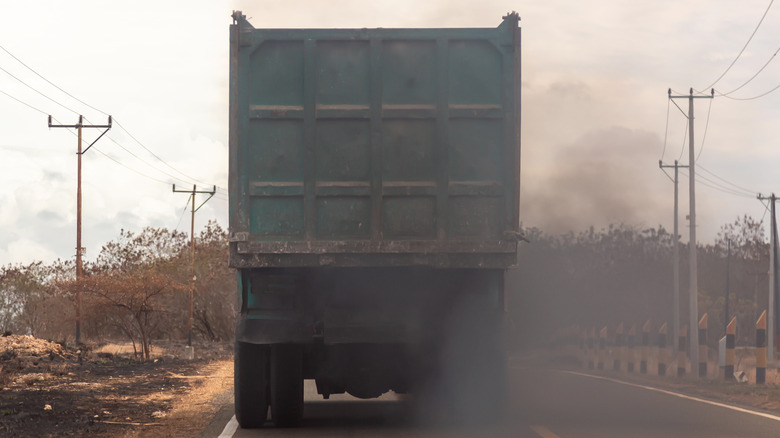
When a semi truck's diesel engine derates, it typically means the electronic control unit (ECU) has detected faults and has purposely limited the power output. A derated diesel engine is no different from a gasoline car in limp mode. The vehicle's computer does this to protect its internals from further damage once it detects faults or issues in the system.
When a diesel truck enters derate mode, you'll feel a significant reduction in horsepower and torque, along with a cacophony of illuminated warning lights on the instrument cluster. Moreover, the ECU will limit how fast you can go (possibly as low as five miles per hour) and how high the engine can rev. In some trucks, the ECU engages derate mode in stages, gradually limiting more of your truck's power.
Diesels are inherently better-suited for heavy towing and hauling, which is why diesels frequently outsell gas trucks in the heavy-duty and commercial segments. Then again, that gloriously torquey diesel requires judicious and costlier maintenance to mitigate derating issues. And such derating issues are why it's not unusual for diesel owners to spend more on servicing and repairs than a comparable gasoline-powered truck.
What causes a diesel to enter derate mode?
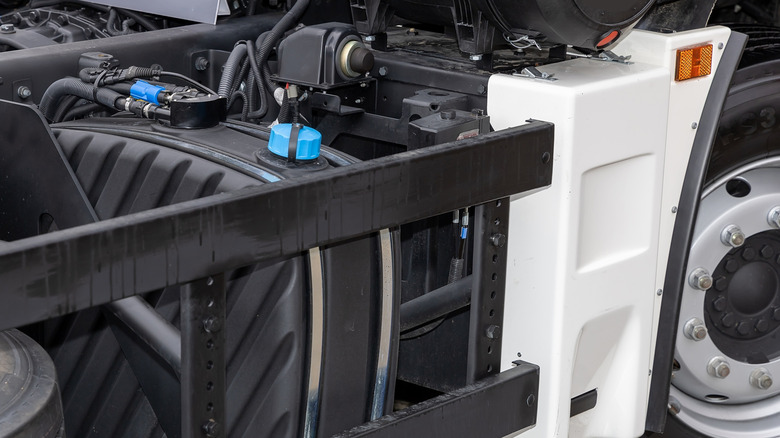
Modern diesels are equipped with complex emissions control systems, including diesel particulate filters (DPF), selective catalytic reduction (SCR) systems, and diesel exhaust fluid (DEF), which can all trigger derate mode when the ECU detects faults. For instance, the DPF traps soot from diesel smoke, and it burns out all that gunk when the DPF enters active or passive regeneration. Despite this, the DPF can still get clogged by all that gunk, possibly triggering the engine to derate.
It's a similar story with the SCR, which can force diesel engines to derate when sensors in the catalyst detect unusually high levels of nitrogen oxides (NOx) in the exhaust. The system utilizes DEF injections to convert that exhaust into less-toxic nitrogen and water. Any malfunction associated with the supply and quality of DEF within the system (including sensor issues, bad catalysts, injector failures, or DEF crystallization or hardening due to freezing weather) can all cause a semi truck engine to derate. Issues with the cooling system and exhaust gas recirculation can also force a diesel engine into derate mode.
What to do when a diesel engine derates
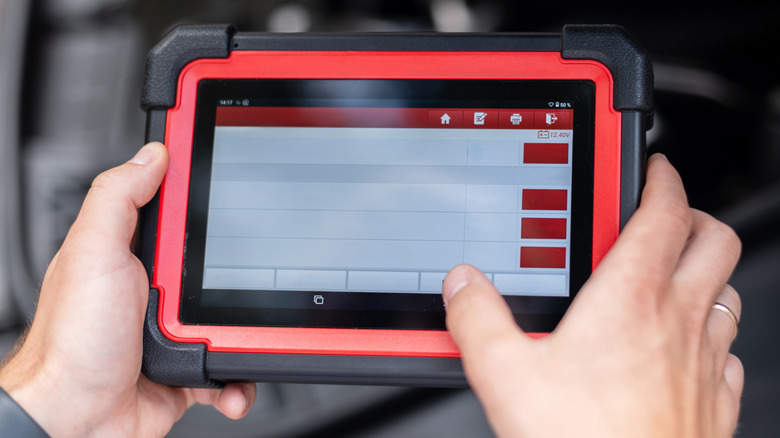
You can keep going when a diesel engine derates while driving — maybe just for long enough to find a safe spot to stop and diagnose the problem. However, the limited engine output, poor acceleration, and warning lights will beg to differ, so it's better not to ignore the symptoms. At that point, diagnosing the fault codes is your best recourse. As the derate mode can be triggered by many causes, you may need to service, clean, or replace the DPF or refill the system with DEF. In some cases, replacing the sensors is necessary to fix the problem, or your truck might need a forced regeneration to exit limp mode.
On that note, drivers, fleet operators, and owners of diesel trucks might not have to deal with this for much longer. The U.S. Environmental Protection Agency has urged truck and engine manufacturers to revise DEF software and to reverse the derating caused by DEF system failures. The new guidance includes proposals to remove all possible DEF-induced derating in vehicles and engines "in the near future."
The new proposal will not eliminate derations entirely, per se, but drivers and operators will have more leeway when DEF levels run low. Instead of restricting the speed and performance to the point where the vehicle can hardly even operate, derated semi trucks should still be able to perform their duties even with low DEF. Performance will only take a slight hit, and top speed only gets limited after multiple weeks of running with low DEF.