

2 Things To Know Before Removing The Badges From Your Car
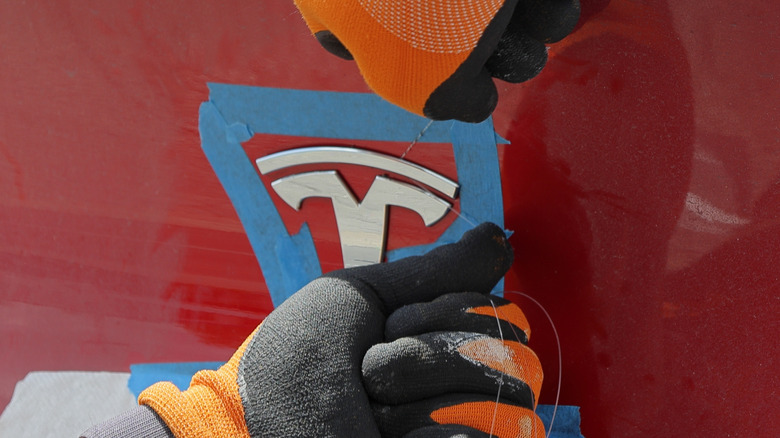
Removing the badges from your car, also known as "debadging" in automotive circles, is a simple and inexpensive way to customize your ride. It's also a rather ingenious solution to make your base or mid-grade vehicle look more high-end — or maybe to hide the fact that you purchased a top-end model. It also offers benefits if you wax your car often, or if detailing is your cup of tea. Polishes and waxes tend to leave hard-to-remove residue on those badges, so getting rid of them will make those tasks more straightforward since there's no need to get around them.
However, removing the badges is not merely like peeling off a sticker. There are right and wrong ways to remove them without ruining the finish, and there are more things to consider beyond that. Will you be repainting the panel afterwards, or are you hoping that this change will be quick and easy? More importantly, is it even legal to remove the badges? In truth, you probably won't get in trouble for it, but debadging your car will take a lot of time, effort, and patience.
Debadging a car (mostly) won't get you in trouble with the law
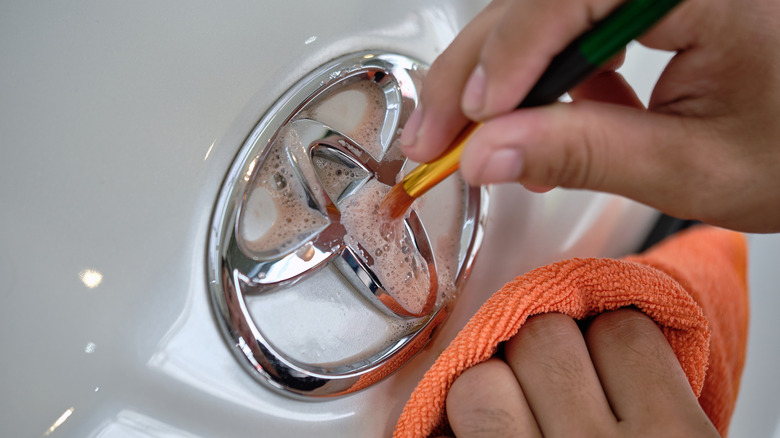
There are currently no federal or state laws that make it illegal to debadge a commercially-sold vehicle, but it's worth checking local statutes to ensure that you're not violating anything regarding the modification or removal of factory emblems. What's illegal is getting rid of badges and emblems related to your car's vehicle identification number (VIN) or anything that has to do with safety and emissions.
The trunk badges and VIN plate are two different things, but removing, obliterating, tampering, or altering any identification number of a motor vehicle is a felony. You can only get away with it if you're doing something that's deemed acceptable by the law, such as restoring, repainting, or repairing the vehicle. But as long as you're not trying to trick people or take advantage of some loophole, you can go ahead and debadge your car without needing to fear the local authorities.
But like all good things in life, there are downsides to debadging that are worth discussing. The warranty policy of your car might not mention anything regarding debadging specifically, but if you mess up the process, you might end up voiding it in another way. Furthermore, debadging could raise questions about the vehicle's resale condition, especially if you did a poor job of removing the emblem and leaving marks, scratches, or indentations on the finish.
It takes lots of patience to remove a car badge
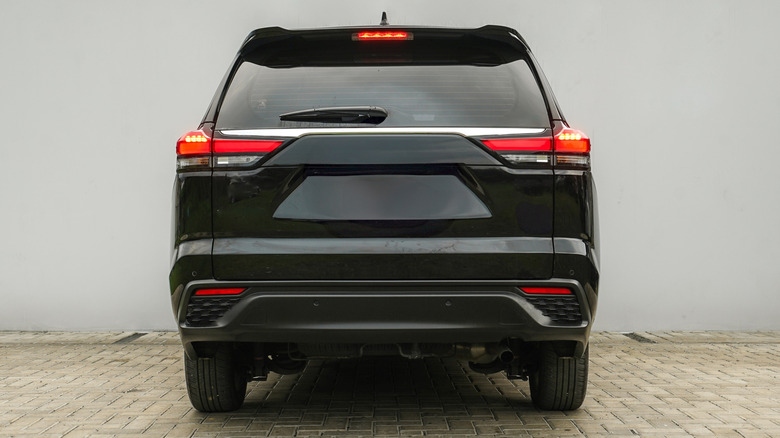
Those emblems on your car's trunk, hatch, or fenders are held by adhesive, studs, or both. Think twice about removing emblems with studs, since doing so will leave small mounting holes on the bodywork. All those holes will need extra filling, sanding, and repainting to make the surface look clean.
On the other hand, badges held by adhesive can be removed using a hair dryer (or heat gun). Leaving the surface unharmed after removing the emblem should be your primary goal, but it's easier said than done. The first step is to wipe the badge and the surrounding area with a damp microfiber towel before proceeding. Next, heat the emblem using a hair dryer to soften the dried-up adhesive beneath, and slide a piece of floss or fishing line between the badge and the paint surface to remove it.
After that, you'll need to remove the leftover adhesive using Goo Gone or any similar product before refining the surface with a clay bar, polishing the area to remove fine scratches, and applying wax to seal the deal. For older cars, removing an emblem might leave behind noticeable ghost stains on the finish, which could be almost impossible to remedy without damaging the clear coat. The stains are mostly noticeable in light-colored cars, and repainting might be the only remedy to make it look clean again.