

What's The Difference Between Fuel Stabilizer And Fuel Treatment?
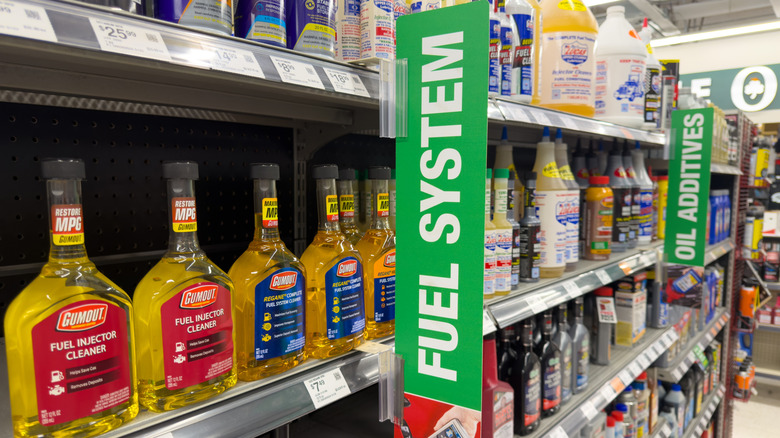
Car maintenance is more than just changing critical fluids at the manufacturer's recommended service interval and replacing wear items like brake pads, brake rotors, dampers, and clutches. Depending on how, or how often, one sails the seas of concrete on their trusty steed — or the fuel they use — it's important to maintain its fuel system, too.
More often than not, doing so involves pouring a type of concoction in the tank while filling it with gasoline or diesel. But not just any old solvent or flammable liquid. Sorry, alcoholic beverage connoisseurs, Spirytus may have a mighty kick to it, but it doesn't belong in an internal combustion engine.
Instead, there's a huge range of common products that can be found in any auto parts store, all with the aim of treating or stabilizing the fuel in your tank. But treating and stabilizing the fuel are not the same thing, and it's important not to conflate the two. But what exactly is the difference between fuel treatment and fuel stabilizer? Let's unscrew the cap, remove the tiny seal, and pour in some knowledge on this topic.
Fuel stabilizer does exactly what you think it does
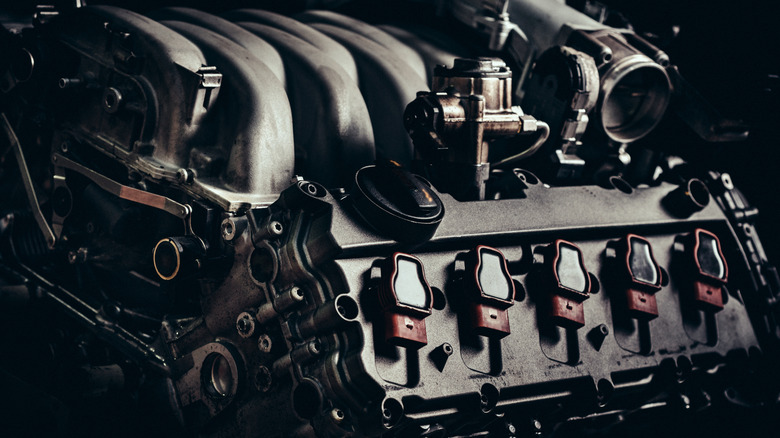
On the face of it, these two products may seem similar, but they have very different applications. The most common use for fuel stabilizer is in vehicles that sit for long periods of time, and it's especially useful in cars that hibernate over winter and come back out in the spring. In fact, when you think about it, "stabilize" is a pretty clear-cut term here: it maintains the fuel's effectiveness.
That's because gasoline and diesel break down over time. It oxidizes and gums up, and if there's any ethanol content in there, especially E85 flex fuel, it'll suck up moisture because ethanol is hygroscopic. Fuel stabilizer contains chemicals that prevent all of the above and prevent issues further down the line. Running an engine with old or gummed-up fuel could cause performance issues or even damage.
In particular, you want to protect fuel filters, pumps, and injectors from getting clogged with old fuel deposits. If the engine is not receiving the amount of fuel that its computer is asking for — to make the ideal air/fuel ratio based on the conditions at hand — it's running lean, and that could result in catastrophic damage. Pouring in a decent fuel stabilizer can help prevent issues such as these when you come to fire the car up again.
Fuel treatment cleans the engine out
Remember when people used to say "treated" to somebody who got "owned," meaning, defeated or humiliated? In this case, the car's engine can experience the opposite when a treatment is fed through its fuel system.
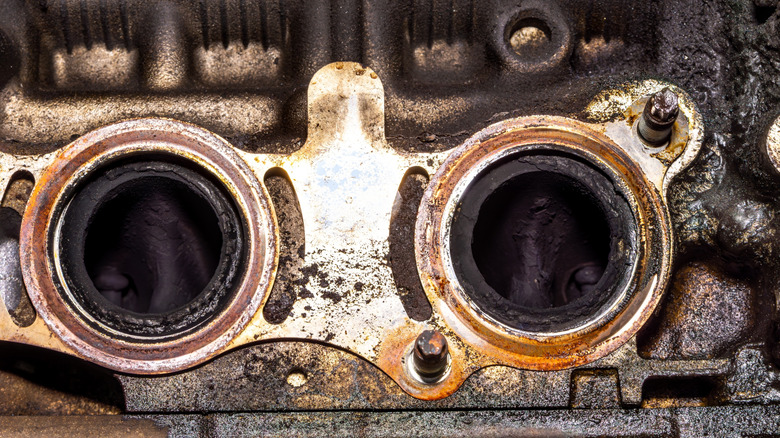
That's because a fuel treatment is designed to clean the fuel system, from tank to spark. In particular, low-quality fuel, not revving the engine up enough, or not running the engine for very long can result in carbon buildup on the intake valves and in the combustion chamber. Carbon buildup inhibits performance, particularly in direct-injected engines, and can even cause significant damage — like a broken or bent valve — if left unchecked. A quick and easy way to prevent fuel system issues is to fill up at stations offering Top Tier Fuel, which can help clean your engine if used regularly over extended periods, according to the AAA.
Buyers should be aware, though, that fuel treatments won't solve all ills, and using them to mask mechanical issues can be a false economy. It's best to have this kind of mindset, and think of fuel treatments as products that help (meaning, may not completely) restore factory engine performance by cleaning them. And it's crucial to use treatments in accordance with manufacturer instructions and guidelines.
Fuel stabilizer and fuel treatment both have the goal of a healthy fuel system. The difference is the former maintains it at the source (the tank), whereas the latter aims to clean the entire system, down to the pistons themselves.