

Does Cold Weather Affect Your Spark Plugs?
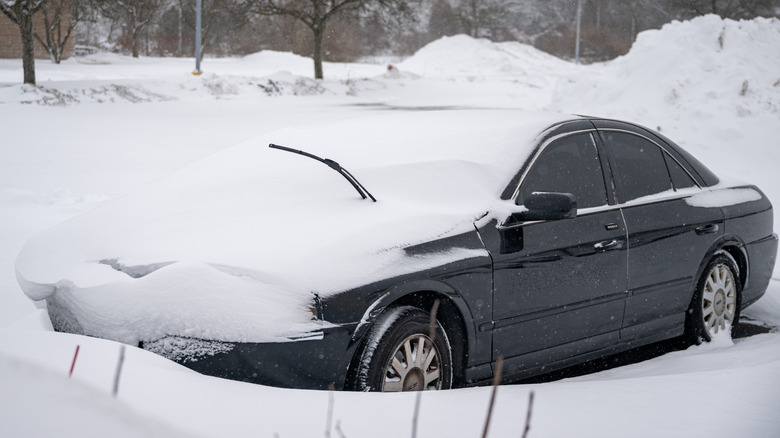
You should already know that internal combustion engines do not like cold weather. There are some cars that had such a hard time getting started on cold mornings that it feels like you're resurrecting the dead when they finally cranked over. While that can often be attributed to the effects cold weather can have on a battery, that same weather can do a doozy on spark plugs. (Here's what you can do to prevent car batteries from failing in freezing temperatures.) Of course, if the day is cold enough, the engine is going to have a hard time starting regardless.
There are several reasons why spark plugs can have difficulty performing in the cold. Part of it has to do with how dense cold air can get, which increases how strong the spark needs to be. Beyond the plugs themselves, though, you're also dealing with a weaker battery and greater demands for power from other parts of the car. For the engine to run, fuel needs to vaporize, and oil needs to be thin enough to run through the crankshaft, cylinder walls, and other engine components. But extremely cold temperatures work against both of those things, thickening oil and making it hard for fuel to vaporize.
Salt and ice — regular features of cold winters – aren't kind to spark plugs, either. All of this puts more stress on a spark plug. If that plug is old or getting near the end of its life, cold weather can push it over the finish line.
Cold weather effects on spark plugs
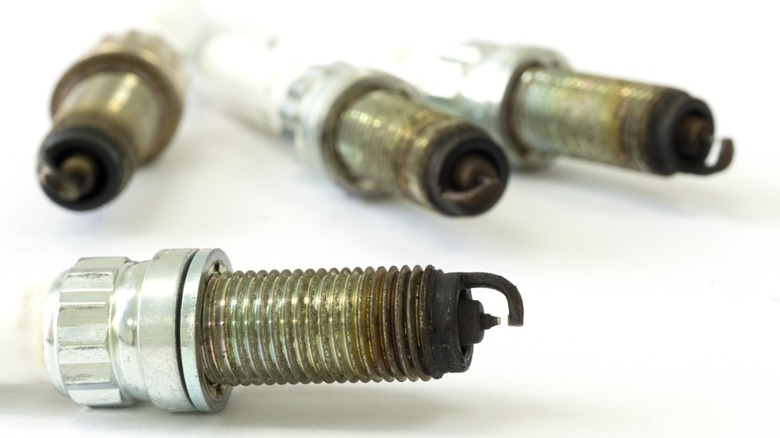
Salt and ice aren't the only things that are unkind to spark plugs; you can add moisture to that list, too. Those elements are how spark plugs get corroded, hindering their performance and generally requiring a replacement. Carbon buildup on plugs can have the same effect, causing them to foul. Spark plugs can more easily suffer from this in the winter thanks to oil and fuel, too, among other causes of plug fouling.
Sometimes, you might make those things happen yourself. For example, does your regular morning winter routine include letting your car idle several minutes in the driveway so it can warm up? The problem with that practice is that idling for a long time can cause carbon deposits. Do it every day, and your plugs can start to have issues. It's better to let the car warm up by driving at low speeds for a little bit after only a short idle.
It's easy to foul your plugs without meaning to, as well. The old adage, "If at first you don't succeed, try, try again," doesn't always apply to starting your car. It's a natural impulse to keep trying to start your engine after it fails to turn over. But do that enough times in a row, and you can flood your engine, which can foul the plugs. Often, it's best to address the problem that's preventing your car from starting instead of trying to start it over and over again.
How to prep the plugs for winter

There are a lot of things on your car you should check before winter comes, especially if you live in a harsh climate. Take a look at your plugs, as well as the spark plug wires, ignition coils, and the components around them. You're looking for fouling, corrosion, carbon build-up, and signs of wear. Change your plugs and wires if you feel iffy about them or if it's getting close to the time they're usually supposed to be changed. If winter is coming, it's better to get that done sooner, rather than later. Check for oil leaks, too; you don't want oil seeping in and fouling up the plugs.
Should you get hotter spark plugs? No, that's not how spark plugs work. The terms "hot" and "cold" refer to how far down the plug heat dissipates. And besides, once it's running, the operating temperature of the engine is the same in hot and cold weather. In other words, both hot and cold plugs are going to have the same challenges when the engine tries to start in cold weather. It's best to stick with the plugs recommended by your car's manufacturer; just make sure not to cheap out on the spark plugs you do buy.