

Does Maserati Deserve Its Bad Reputation? Here's What Owners Say
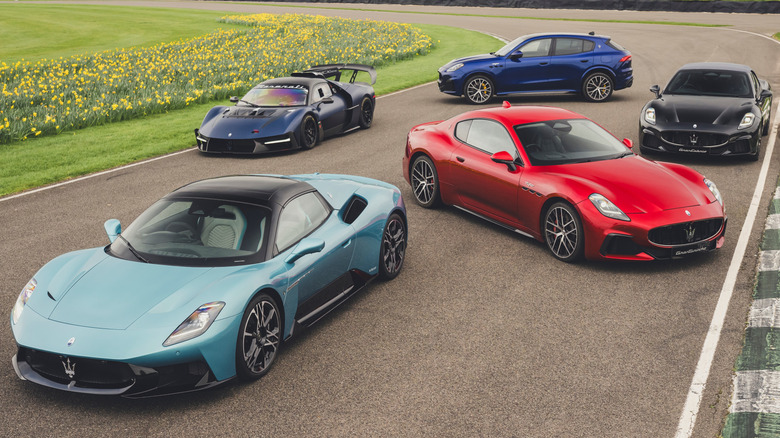
Founded in Bologna in 1914, Maserati is a widely recognized name that has defined Italian high-performance engineering for generations to enthusiasts. Known for their exquisitely worked and well-designed exteriors, vehicles made by the famous luxury manufacturer are crafted specifically to evoke high-class sophistication and elegance. However, the trident brand has also been plagued with owner complaints about quality and reliability issues, so much that they've severely damaged its reputation.
Among luxury brands, Maserati has placed low in reliability rankings, due to well-documented complaints about electrical faults, suspension problems, transmission troubles, and some issues surrounding build quality. Furthermore, negative perceptions about the brand often stem from the fact that the cost of maintenance can be quite steep. According to the MIE Corporation, a Maserati requires around $1,500 per year, on average, in maintenance for the first 4 years, which Consumer Affairs says is about $650 more than the average car.
With the brand often portrayed as unreliable and expensive to maintain, used Maserati cars are being hit with crushing depreciation as they struggle to retain value amidst the aforementioned issues driving buyers away. And, although attributed to non-reliability issues, Maserati has also seen weaker-than-expected sales in the new car market, with global sales down 58% in 2025 compared to 2023, after just over 11,000 units found new homes overall. We've all heard the stereotype. But how much truth is there in the preconceived notions, and does Maserati deserve the tough dirt on its image? We've left it to the owners to make that call.
Maserati has received some brutal reviews over the years
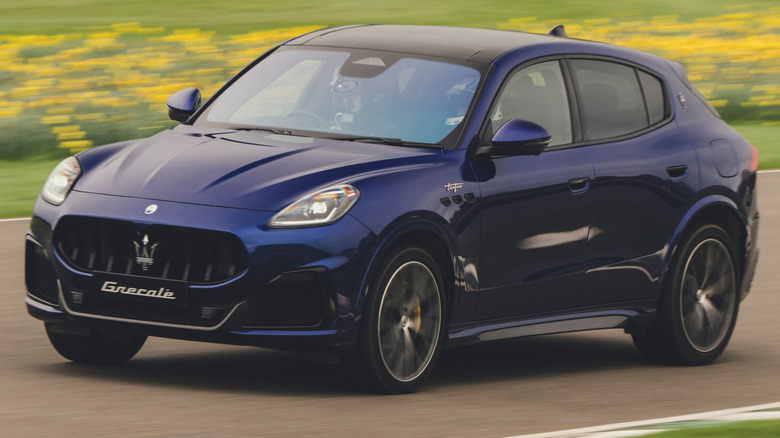
In most owners' view, the widespread stereotype of Maserati making bad cars holds up. Of the 66 drivers who left a review on Trustpilot, 70% gave 1-star ratings, and you get the feeling that's only because there weren't any lower scores, given the scathing nature of the comments on the page. The numerous 1-star reviews resulted in Maserati receiving a disappointing 1.7 out of 5 stars overall.
Commenting, one owner of the now-discontinued Maserati Ghibli said their vehicle had multiple faults. The driver also mentioned spending about €24,000 (roughly $27,500 USD) to replace the engine after just 30,000 miles and strongly advised avoiding Maserati, adding, "please do not waste your money on garbage cars." Even more concerningly, one owner of a Maserati Grecale reported that the compact SUV was beset with "endless problems and completely unusable."
This is corroborated by a commenter on Kelley Blue Book (KBB), who said their Grecale had been a "disappointing experience, plagued by recurring issues that have eroded [their] trust in the brand." The reviewer highlighted problems with the air conditioner, parking brake, Apple CarPlay connectivity, and the engine, which stalls even after repairs. In the 2 years since they bought it, the driver claimed the Grecale had spent 4 months in the shop for repairs. Of course, one other huge factor in Maserati's bad reputation is poor service, and the Grecale owner confirmed that's still very much an issue, as they found the company's customer service to be slow, lacking in accountability, and utterly awful at communicating.
Maserati is further stunted by sky-high prices and steep depreciation
Maserati's strangely common practice of producing notoriously unreliable vehicles isn't the only reason why it is falling out of favor. The exotic brand's higher-than-average price point also puts it in a bad place. Take the Maserati Grecale. It has traditionally been more expensive than its major rivals in the compact luxury SUV segment, with prices for the 2026 model beginning at over $86,000.
That means it costs about $21,000 more than the Porsche Macan, which begins at a little over $65,000. The margin is considerably wider when you factor in the costs of the other vehicles in the class, such as the 2026 Genesis GV70, BMW X3, and Lexus RX. Thus, many commenters think Maseratis are overpriced for what they offer, which makes it unsurprising that they linger unsold for months — it's become so bad that Maseratis are being marked down by as much as 43%.
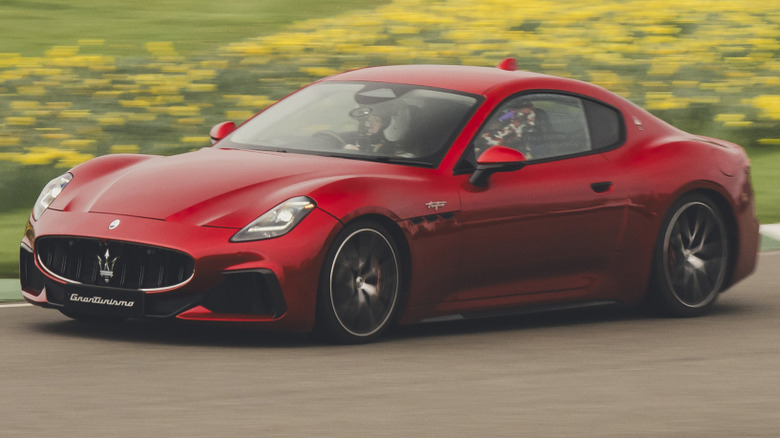
It also doesn't bode well for the company's image that Maseratis depreciate so much, wiping out value within just a few years. Owners of the Maserati GranTurismos, for example, face significant losses when it comes time to sell. Data published by KBB shows that the 2024 Maserati is losing some serious value, depreciating by 52% over 2 years. This means that it is down $86,895 from the $165,995 it was sold for, leaving owners with a retained value of $79,100.