

High Mileage Vs. High Mileage Extended Performance Oil: Which Should You Use?
We may receive a commission on purchases made from links.
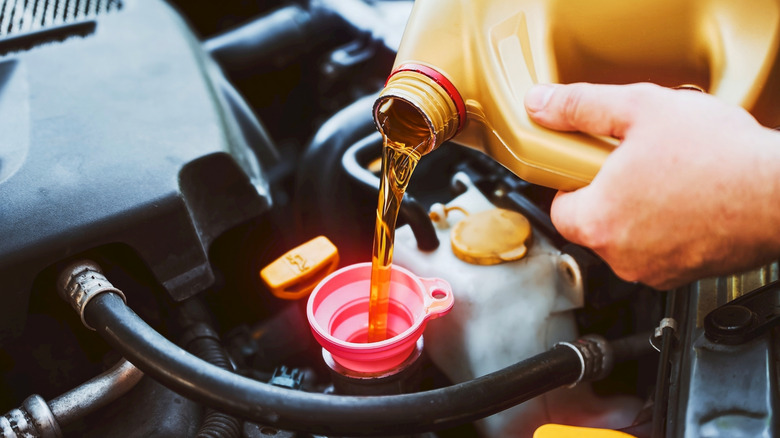
The days of motor oil being just oil are long gone. Oil for diesel engines is different from that of gas-powered cars, and it's easy to get confused by the sheer variety of name-brand and store-brand motor oils at the parts store. Car owners have to think about semi-synthetic versus synthetic blend or full synthetic versus high-mileage oil at every oil change, and that's where most of the confusion begins.
Modern engines last longer than your grandpa's old jalopy, with some reaching upward of 300,000 miles without skipping a beat. However, like the human body, your car's engine will begin wearing out through age and time. There's no escaping it, no matter how conscientious you are with servicing and oil changes — but you can help delay it. That's what high-mileage oils are for.
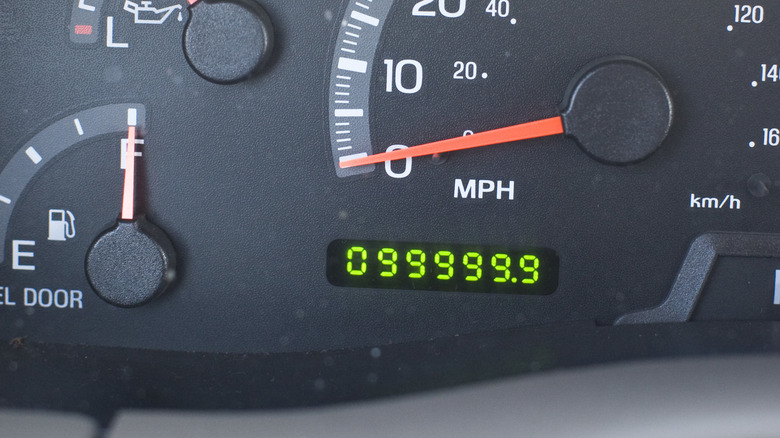
Although there's no pre-set industry standard for what constitutes a high-mileage engine, it is generally accepted that gas engines that already clocked 75,000 to 100,000 miles on the odometer are stellar candidates for using high-mileage oil. Good enough, but what about high-mileage extended performance oils, and what's the deal with those?
All high-mileage oils are synthetic lubricants that contain more of what ordinary synthetic motor oil has to offer. High-mileage extended performance oils have even more detergents, additives, and conditioners to last even longer between oil changes, but the specific formula and oil change intervals depend on the brand or type of oil.
If your engine has over 75,000 miles on the odometer, you should consider switching to high-mileage oil. If you're willing to spend a bit more, high-mileage extended performance oils offer more protection for longer.
High-mileage extended performance oils are a bit pricier
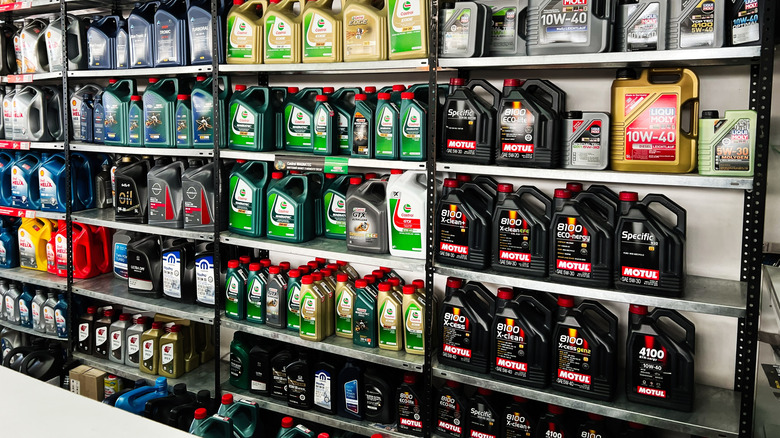
Ultimately, the choice between high-mileage and high-mileage extended performance oil boils down to the price. For instance, the Castrol GTX Full Synthetic High Mileage offers protection for 10,000 miles or 1 year (whichever comes first). Meanwhile, Castrol's Edge Extended Performance claims ultimate wear protection for up to 25,000 miles or a year, but it comes at a cost.
The Castrol GTX Full Synthetic High Mileage is about $21 (5 quarts), while five quarts of Castrol Edge Extended Performance is $29.50. For about $8 more, the latter offers an advanced synthetic formula that Castrol claims is three times more robust than ordinary synthetic formulas and lasts up to 2½ times longer.
That's important to some people, although not if you insist on changing the oil every 5,000 or 10,000 miles, especially considering both are full synthetic oils for high-mileage engines. High-mileage oils also contains more conditioners to lubricate internal seals that may have gotten loose or brittle as the miles piled up. The ultimate difference is that high-mileage extended performance has more of the good stuff that high-mileage oils have to offer, enabling them to protect longer.
High-mileage vs. high-mileage extended performance: When to switch?
As long as you're using the recommended viscosity grade (especially during winter when thinner oils are more beneficial), it's perfectly fine to switch from regular synthetic to high-mileage or high-mileage extended performance on your next oil change.
The good part is that high-mileage oils have more anti-wear, anti-friction, and cleaning additives to keep older engines ticking way past their prime, with some having specific additives to address issues typically associated with older engines, including unnecessary oil consumption and sludge formation.
For instance, Mobil recommends Mobil 1 High Mileage Oil and Mobil 1 Extended Performance High Mileage for older engines that were previously fed with non-synthetic conventional oil. The difference? The former promises oil change intervals up to up to 15,000 miles, but the latter is good for 20,000. In addition, Mobil says cars that have been regularly serviced will do well with Mobil 1 Super High Mileage oil upon reaching 75,000 miles, while neglected older engines can benefit from the added detergents of Mobil 1 High Mileage to mitigate sludge.
Meanwhile, Valvoline's high-mileage and Valvoline Extended Protection are both synthetic oils, with the latter having a different mix of proprietary additives meant to deliver superior wear protection regardless of the engine's mileage.
Oils and lubricants have evolved to the extent that every manufacturer has a specific type of oil for any engine condition, whether old or new. You'll be doing your high-mileage engine a huge favor by switching to high-mileage oil. If you're looking for longer oil drain intervals, high-mileage extended performance oils, with their slightly higher prices, are worth a try.