

As It Turns Out, Driver's Ed Helps People Pass The Driver's Test
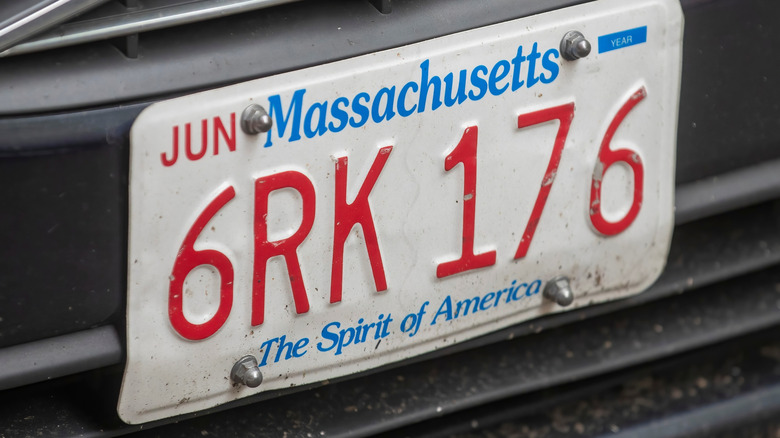
More people are failing their driver's test than at any point over the past decade. It isn't just a slight decrease in attitude behind the wheel either. In Massachusetts, the road test failure rate leaped from 28% to 42% between 2020 and 2025. The American Automobile Association believes the uptick is due to changing test-taker demographics. With fewer teenagers attempting to get a driver's license, test-takers are far less likely to have taken a driver's education course.
The logic is fairly straightforward. Massachusetts requires any license applicant under 18 to complete a driver's ed course that includes 30 hours of classroom instruction and 18 hours of on-road instruction. This requirement vanishes once someone turns 18, creating an incentive for applicants to simply wait and take the road test less prepared. AAA spokesperson Mark Schieldrop told MassLive, "They're lacking the classroom experience, learning the rules of the road, and then they're not getting practice hours in." However, this state of affairs might not last forever.
21 is the new 18 for state lawmakers
States are taking action to raise driving standards by raising the age at which driver's ed is required for a license. Ohio lawmakers passed a state budget bill last year that required anyone under 21 to take a driver's education course to apply for a license. According to WOSU, there are concerns that an existing lack of access to driver's ed might worsen with the influx of students. The bill initially included subsidies to support expansion, but they were dropped.
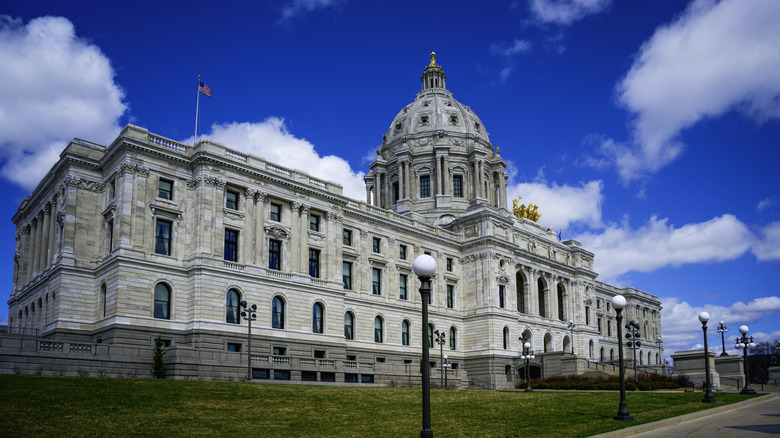
Minnesota is debating whether to raise its age requirement, joining Ohio, Washington, Maryland and Texas. Andrew Myers, a Minnesota state representative and the bill's author, told the Minnesota Star Tribune, "My goal is to forward meaningful options that increase safety on our roads. I hope this gets the conversation started." Myers acknowledged that the bill wasn't perfect because the cost and time commitment of driver's ed might keep some young people from getting a license. Overall, it would be better for the general public if every driver were better trained before getting a license.