

69% Of Gen Z Would Consider Buying A Chinese Car: Report
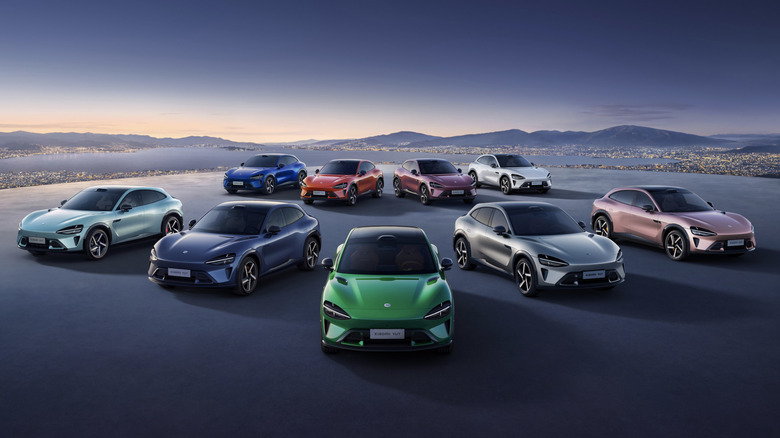
While some Chinese-built cars have been sold in the U.S., actual Chinese cars remain off-limits to American buyers. Still, they're all over Mexico, they'll soon be in Canada, and odds are, they'll eventually be available here, too. With that in mind, our friends over at Cox Automotive wanted to gauge current American buyer interest in cars built by Chinese automakers. They found that attitudes are largely split, but younger buyers are much more open to the idea than older buyers, and that buyers are much more interested in buying Chinese cars than dealers are in selling them.
Overall, Cox's research found that 38% of those surveyed said they were either extremely or very likely to consider a car from a Chinese automaker, while 39% said they weren't very likely or not at all likely to do the same. As you can probably imagine, older buyers and those with greater loyalty to the domestic auto industry were less interested in Chinese cars, while younger buyers who are more interested in EVs were more open. In fact, 69% of Gen Z buyers surveyed said they would consider a Chinese car.
One thing that makes that observation particularly notable is that brand awareness doesn't appear to be particularly high for Chinese automakers, even among those who said they were open to buying Chinese cars. About half of the respondents said they were familiar with Chinese brands, but many hadn't heard of some of the biggest names, including Chery and Geely. BYD had the best brand awareness of any Chinese automaker, but even BYD's name recognition only sat at 35% and only 17% saying they were familiar with BYD as a brand. So it sounds like people are less interested in specific cars and more just open to the concept of buying cars from Chinese automakers.
Dealers aren't interested
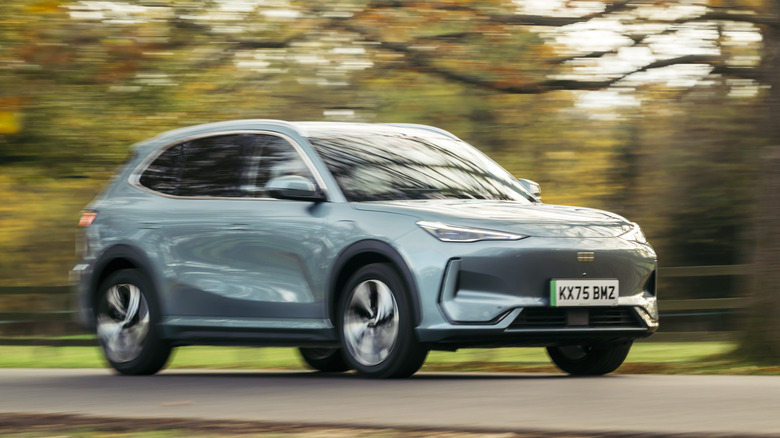
Along with buyers, Cox surveyed dealers, too. Overall, 68% of dealers surveyed said they believed Chinese cars would be priced more competitively than current alternatives, but if you thought they'd be excited to sell more affordable vehicles to cash-strapped buyers, think again. Only 15% of dealers said they support Chinese brands being sold here, and only 26% said they believed Chinese brands would be built to comply with U.S. regulations.
Those beliefs also stand in contrast with buyers who are more cynical about price, with only 51% of those surveyed saying they believed Chinese cars would be priced below their competitors. They're also more trusting that Chinese automakers will meet U.S. regulations (43%), and perhaps most importantly, 40% of those surveyed said they support being able to buy Chinese vehicles in the U.S.
If a Chinese automaker were to partner with an automaker that already sells cars in the U.S., though, Cox found the number of people willing to consider a Chinese car rose to 76%. To some, that may sound unintuitive, since there wouldn't be anything different about the cars themselves, but trust is still a major factor for new, untested brands, and partnering with an established automaker appears to go a long way toward assuaging those fears.
Those trust issues crop up again when you look at consumer perception of Chinese cars in relation to value and reliability. About 49% of the survey's 802 respondents rating Chinese cars as excellent or very good in terms of value for money, but when it comes to durability, quality, and safety, consumer confidence dropped to about 33%, with reliability slightly lower at 32%. Dealers also expressed concern about those factors, with 92% saying they aren't sure about selling Chinese cars.
Money talks
Based on current perceptions, if Chinese automakers want to succeed in the U.S., they're going to have to overcome the idea that their cars won't be as reliable and well-built as the competition. If Chinese cars start showing up on American roads and can demonstrate they aren't cheap junk, that perception could flip quickly, but that negative perception also feels unlikely to change until the first Chinese cars are actually on sale.
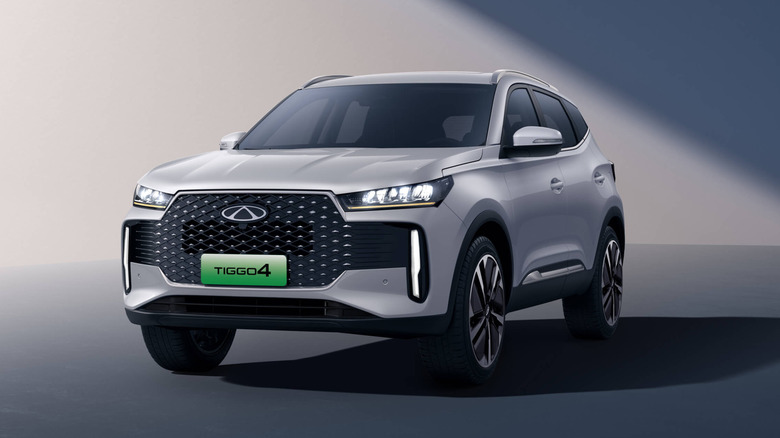
Still, the good news for the Chinese automakers that have their eye on American customers is that we're willing to risk a lot if it means saving money. More buyers surveyed would prefer a Tesla Model Y to a BYD Seagull, and the same holds true for the Chevrolet Equinox versus the Chery Tiggo 4. But once you start talking money, the prospect of big discounts on the Chinese cars starts pulling shoppers away from established brands. Which means that if Chinese automakers can find ways to undercut their competitors' prices, U.S. consumers would be willing to overlook their quality and reliability concerns.
As Rivian CEO RJ Scaringe pointed out last year, the real problem for legacy automakers is that Chinese EVs are just better than most of the ones we can buy today, and Ford CEO Jim Farley has made similar statements. However, if Chinese automakers aren't able to beat legacy automakers on price, whether it's due to local production requirements, tariffs, or other regulations, it could slow their takeover.