

5 Anti-Theft Devices For Your Car That Aren't Annoying To Use
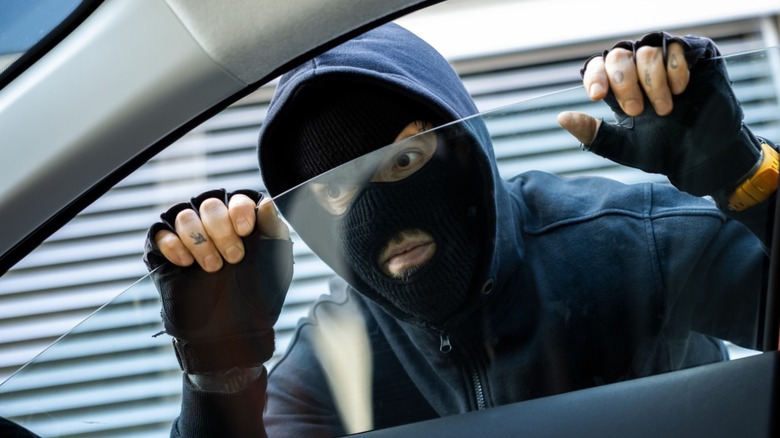
Your job is to make stealing your car as hard as humanly possible. Fortunately, there are tons of devices out there, like hidden kill switches, that will help you to do just that. When used in combination, they can provide significant protection.
Some of these devices, like smart keys and engine immobilizers, already come with most used cars today. Thieves can't steal your car if they don't have a key fob tuned specifically to it — hotwiring won't work. However, key fobs have their own vulnerabilities. Thieves can use commercially available devices to clone your key by reading the signal that it sends to your car, so you should place your key fob in a Faraday bag when not in use to block its signal. If a thief has access to the On-Board Diagnostics (OBD) port in your car, however, they can still clone your key — that's why keyless car theft is on the rise. Fortunately, they make OBD port locks to prevent this.
Other ways to protect your car include etching your car's VIN (Vehicle Identification Number) on every window and your windshield — you want your VIN all over your vehicle so that it's easier to trace if stolen. You can also buy GPS trackers which plug into your OBD port. The goal here is to find multiple anti-theft deterrents that will work for you to protect your vehicle.
OBD devices
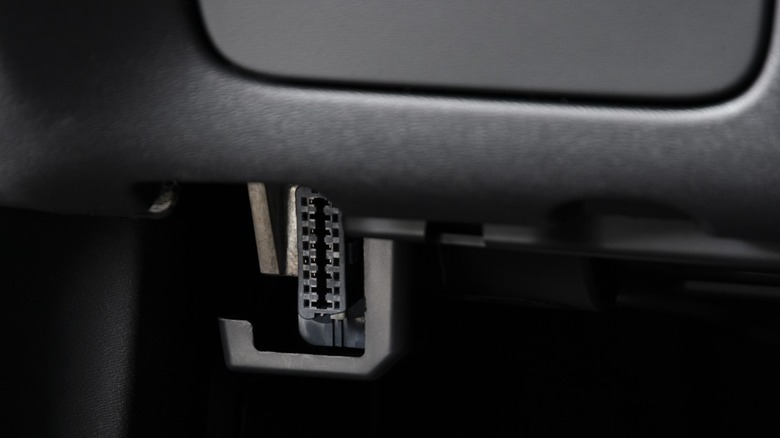
A lot of our readers have OBD II scanners to help them diagnose when something is wrong with their cars. If that's you, you know what an OBD port is. Others know what OBD ports are because they've watched a mechanic plug into one, or their insurance company sent them a device to plug into it to monitor their driving. It's usually located just under your dash next to the driver's side door.
What you may not know is that some thieves have devices that they can plug into your OBD port and clone your car's key fob. A lot of automakers have updated their systems to prevent this, but some older cars are still vulnerable. Fortunately, they make OBD locks that you can place over your OBD port when you're not using it.
Another OBD device you might consider is a GPS tracker. You just plug it into your OBD port and, if your car gets stolen, you can track its location on your phone. Many of these devices have batteries that allow them to stay powered for a while if the car is off or they're unplugged. One reason that's important is so that you can still track your car if the thief unplugs the tracker. Another reason is that some trackers will alert your phone if they have become unplugged, which means you'll know right away if someone is trying to steal your car. You may need to subscribe to a service plan.
Key fob Faraday bags
Remote keyless entry systems (RKE) have made our lives easier. Just press a button on your key fob to lock or unlock your car and set your alarm. This is not only convenient, but many people feel safer with this technology, especially when walking to their car in a dark parking lot at night. This technology comes with risks, however.
Obviously, your key fob sends a signal to your car. But if your car can read the signal, so can other devices. Thieves use these devices in multiple ways to access your vehicle. One way is to read the code your fob sends to the car, then use it later to gain entry. Another way involves two thieves working together. One will use a device to block your key fob's signal. Your normal response will be to press the button a few more times. This better enables the second thief to read the code with their device. Yet another way is for one thief to stand near you after you've left your vehicle while another stands near your car. They use their devices to relay the signal from your key fob to the car, so that it seems your fob is close to the car, enabling them to open it.
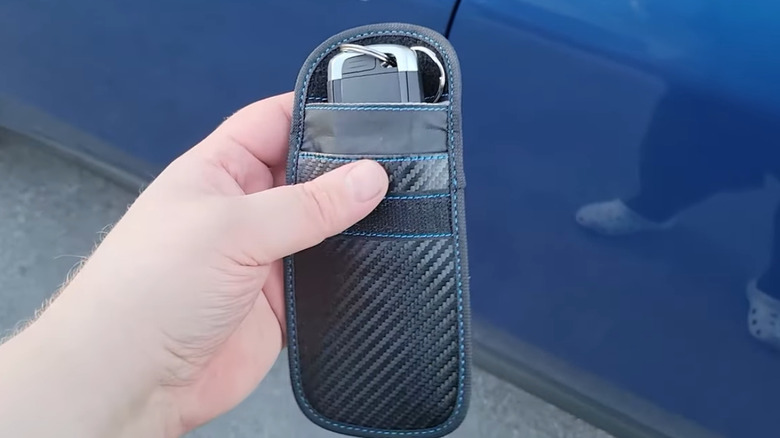
You can protect against this by using a Faraday bag. These bags are made of fabric that blocks RKE signals. You just place your key fob in the bag when not in use.
Hidden kill switches
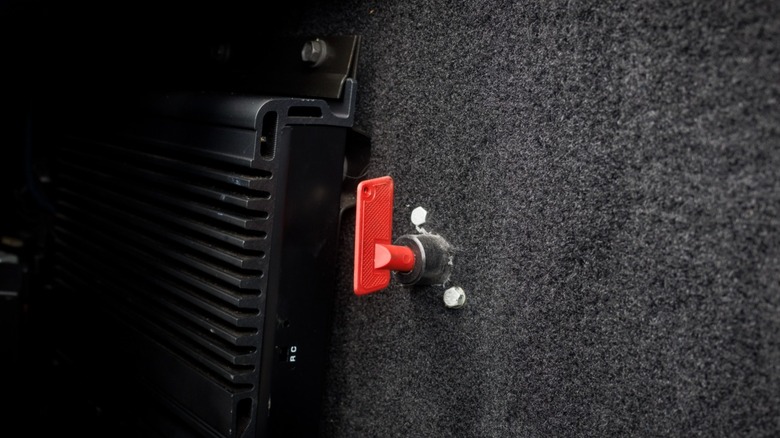
If the movie "Gone in 60 Seconds" taught us anything, it's that a skilled car thief will try to get the job done as quickly as possible. They are not going to waste their time. Your goal, then, is to make it so that jump-starting your car would take too long. One way to accomplish this is by installing a kill switch.
What's a kill switch? It's a small relay that is spliced into the wiring that goes from your battery to either your fuel pump or ignition. What does this accomplish? Well, whenever you leave the vehicle you flip the switch, which disconnects the battery from the fuel pump or ignition system. Once this is done, hotwiring the car won't start it. If you've hidden the switch well enough so that the thief doesn't see it, they will probably wonder what's going on. They won't waste much time trying to hunt down wiring issues. Even if they do spend the extra time, this increases the chance of getting caught in the act. When you're ready to start the car, you just flip the switch back.
Unlike the other tips in this article, this is going to take some skill, but you can do this yourself. You'll want to find the wiring diagram for your car. It's usually in your owner's manual. Make sure to disconnect the negative terminal on your battery before you start this job.
VIN etching
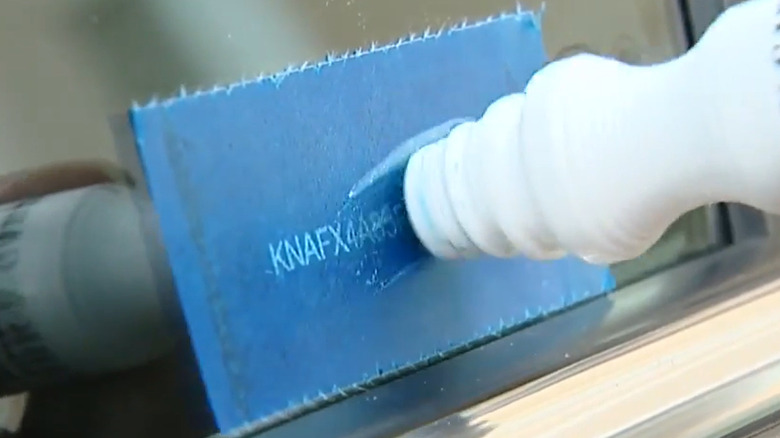
Every car has a unique VIN. If your stolen car turns up somewhere, the police can track it back to you using the VIN. That's why car thieves will usually try to remove the VIN from your car at their earliest convenience.
One way to deter thieves is to etch your VIN into your windows and windshield. This acts as a deterrent in a couple of ways. One way is that the thief sees the etching, realizes they will have to remove all of the glass to keep the vehicle from being identified, and decides to move on. The less likely scenario is that the thief won't notice the VIN etching and leaves it, making the car easier to identify or track down. This won't deter all thieves, as most are looking to strip the car for parts other than the glass. However, in 2023, the LAPD began offering to etch VINs on catalytic converters to deter theft.
You can purchase a cheap etching kit on Amazon and do this yourself. So there's no need to pay the dealership to do this when you buy a car. They can charge upwards of $400, which is ridiculous. Sometimes they'll just do this to every car on their lot, so they can automatically add that charge to the price. Push back on that because you should never have to pay for something at a dealership you don't want.
Engine immobilizers
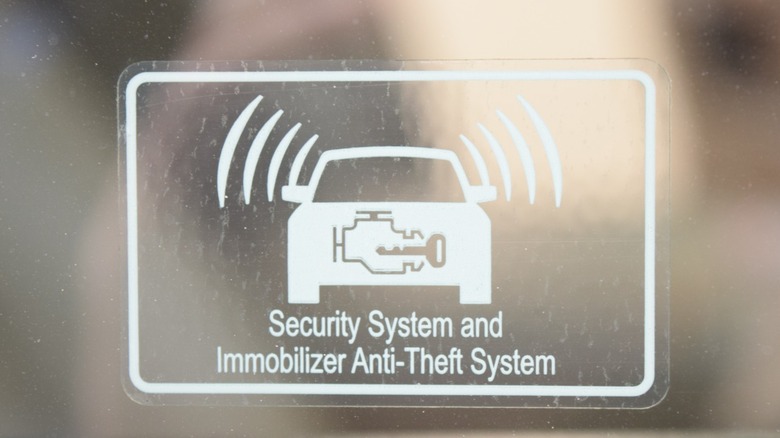
If you've bought a new car recently, it is likely equipped with an immobilizer and you don't have to think about it at all. Immobilizers are kill switches that work in conjunction with your smart key. You know how your key fob needs to be near the car for your engine to start? That's because your car disconnects either the fuel pump or ignition system when your key fob is a certain distance away. This renders hotwiring ineffective against your car.
What if your car is a little older and doesn't have an immobilizer? There are third-party immobilizers that you can buy pretty cheaply and have installed. This might be a better option than installing a manual kill switch, which we described earlier. If you want to get really fancy, there are some immobilizers that will let you cut power to your car via your phone, which you can also use to track the location of the vehicle. (And here's how to get your car out of anti-theft mode using your key.)
We've listed multiple tips, but we don't have the space to list all of the anti-theft devices out there. We recommend choosing more than one of them to implement. You want your car's anti-theft strategy to be multi-layered. The more complicated it is to steal your car, the less likely a thief is going to waste time on it and the more likely it will be that he will move on to the next vehicle.