

Drone Wars, Episode II: Clone Of The Attack (Of Military Lasers Against The Wrong Targets In El Paso Airspace, Again)

Remember when the U.S. Army let Customs and Border Patrol (CBP) use its anti-drone laser weapon to shoot down a Mexican cartel drone, which turned out to actually be a party balloon, which then also caused the FAA to shut down the airspace around El Paso, Texas? It sure would be bad, and also implausible, and also just a little funny, if just weeks later the Army fired the laser at the CBP's own drones, again right near El Paso airspace, once again forcing an FAA shutdown. Uh... so here we are. The machinery of government is working just fine, thank you.
Per the New York Times, the laser weapon was fired on Thursday without FAA approval, again. The Army had detected a drone near the border and decided to take swift action. While the Army did hit its target, that target turned out to be from the CBP. So, instead of shooting down a cartel drone crossing the border, it shot down an American one patrolling the border. That's a bad enough start, but then the FAA finally got wind that the military was firing off lasers, again, at the wrong targets, again. Last time around, the aviation agency shut down El Paso airspace for ten days, a huge length of time not seen since 9/11 (though it was lifted just a few hours later). This time, it's shutting down nearby Fort Hancock airspace for four entire months. As I said, the machinery of government is working just fine, thank you for asking a second time.
Everything is going to plan
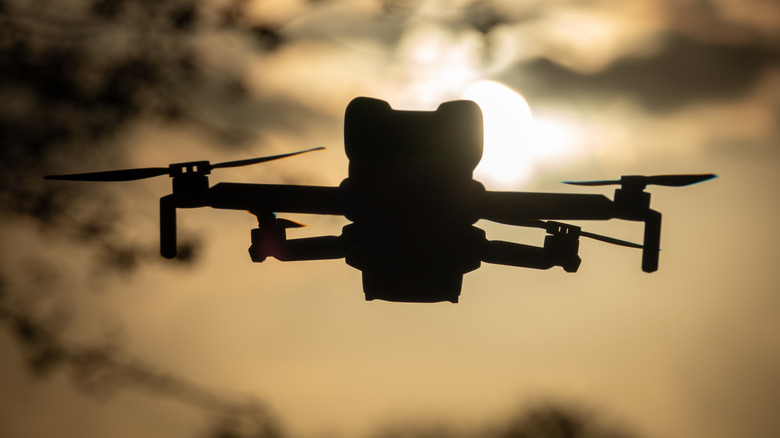
Specifically, the FAA is banning all flights below 18,000 feet around Fort Hancock. As this isn't in the landing path of any major airports, it shouldn't be as disruptive as the earlier El Paso shutdown. It's also possible that the FAA will lift the restriction early, as it did the last time. But even the intention of a four-month shutdown is a giant statement. The agency is clearly furious at the way the military is using lasers right now.
That said, the Department of Defense, CBP, and FAA did put out a joint statement on Thursday night. They put on a brave face, stating this was all to "mitigate a seemingly threatening" drone and that the agencies are all now "working together in an unprecedented fashion." That sounds true, in the sense that the CBP's own drone must have seemed threatening on an Army radar screen, and boy is this all unprecedented. Out in public then, everything is fine, officially. Behind the scenes, it sounds like the Pentagon is gung-ho on using pew pew lasers, the CPB isn't telling anyone about its drone activity, and the FAA is taking no chances at all.
All kidding aside, this whole situation is immensely dangerous. If the military is going to be deploying high-energy weaponry against aerial targets, it must find a way to make sure it understands what target its firing at and absolutely ensure that it's not endangering other aircraft. Hopefully, a pair of high-visibility embarrassments like this lead to operational changes. Otherwise, we're going to be here again in a few weeks, and it may be a whole lot less funny.