

What Is Off Road Diesel And Why Is It Illegal To Use On Road?

One of the components that contribute to the cost of fuel are the federal and state taxes added to the price of each gallon at the pump. And state taxes vary across the country, with some U.S. states getting more expensive gas than others. The government uses a large portion of these fuel taxes on maintaining and building roads and highways, so the folks using the infrastructure, are helping to support it.
However, in the latter part of the 20th century, American farmers and other industry workers argued there shouldn't be a tax on their diesel fuel, since many of their vehicles didn't utilize the roads. So, a special "off-road" diesel was created and by the mid-'90s included a red dye for easier identification. This off-road diesel wasn't taxed, thereby eliminating the friction between some industries and the government. While off-road diesel initially wasn't held to the same environmental standard as the "on road" diesel, the EPA has since stepped in and essentially made the two chemically indistinguishable.
So why is off-road diesel considered illegal to put into anything driving on paved roads? In essence, it's because the cheaper fuel allows you to avoid paying fuel taxes while still using the government-managed infrastructure.
So, what happens if you do it anyway? It's not like there are fuel authorities, right? Well, actually...
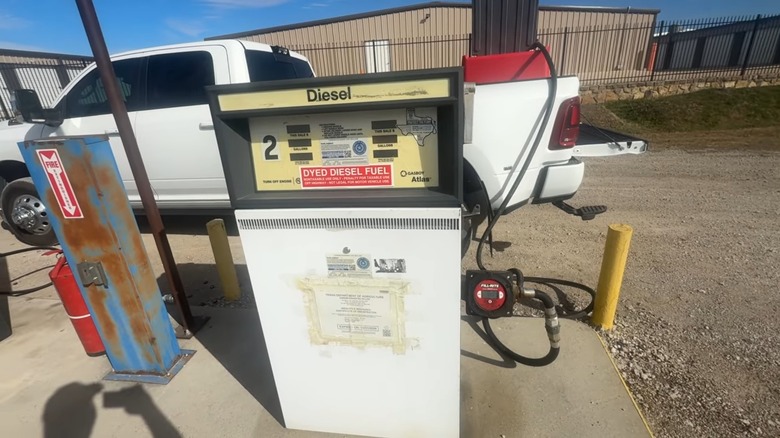
The reason you probably don't want to risk using the untaxed diesel in your daily road driver, despite the financial savings, is the potential consequences. Fines are the first step, some of which can be substantial. According to the Arizona Department of Transportation, you could be looking at a $1,000 fine or for every illegal gallon, a charge of $10, plus potential prosecution. And that's for just a first offense. However, even more concerning, is the chance of being fired by your employer or even the threat of having your vehicle taken by the government. But wait, how would they even know you used "off-road" diesel?
Inspections performed by government agency workers are designed to do just that, looking for the red dye added to the untaxed fuel. Armed with testing supplies, these investigators' frequent locations where they'll have an opportunity to verify red diesel isn't anywhere it's not supposed to be. This can include industry expos, and weigh stations, among other locales. With semi trucks towing massive loads, and fuel costs being the largest expenditure for transportation companies, red diesel might be tempting, but certainly not worth the potential ramifications.
There are exceptions for on road use of red diesel
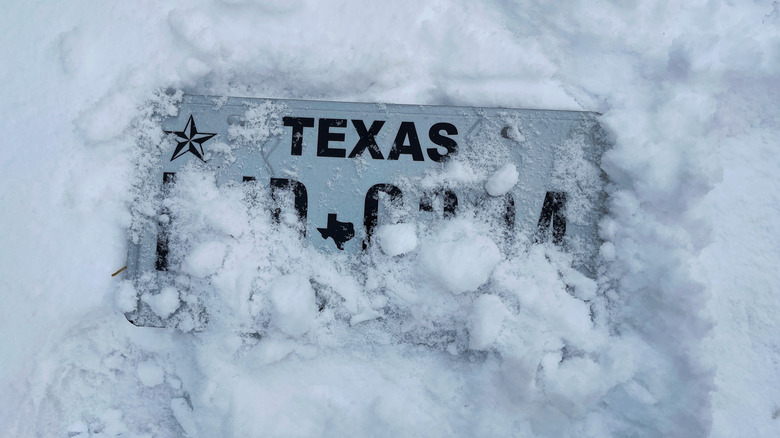
While the law is normally strict on the use of off-road diesel for road vehicles, there are some circumstances in which the government will allow it. For instance, large-scale situations which impact diesel supply. In 2021, Texas experienced an unusually severe winter storm which created a number of issues across the affected area. In response, the Comptroller's Office issued a waiver, allowing red diesel to be used legally in vehicles mobilized to help communities grapple with the after-effects of the extreme weather. So, essential personnel from the energy company, first responders and those moving much-needed supplies were temporarily cleared to use untaxed diesel on paved roads.
The U.S. Department of Energy can also activate temporary waivers on the federal level, in response to a natural disaster. In these scenarios, the agency prioritizes things like eliminating shortages and restoring vital services over enforcing laws, like those around dyed diesel fuel.