

The Signs Your Microfiber Towel Is Too Gross To Keep Using
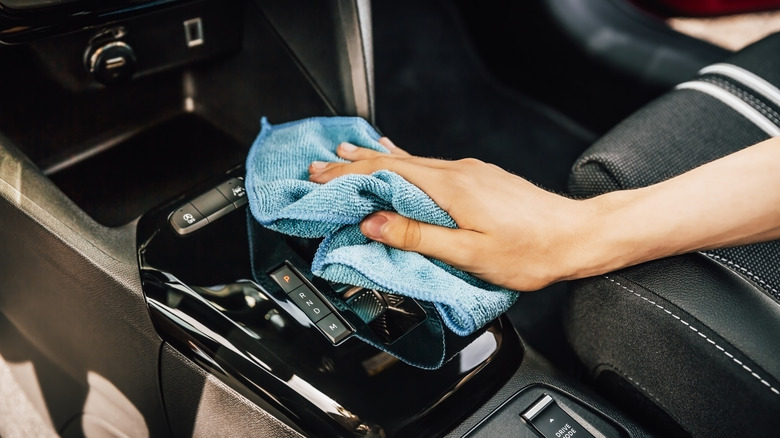
If you haven't jumped on the microfiber bandwagon yet, you're missing out on the benefits of what is possibly one of the greatest innovations in home cleaning and auto detailing. There are many types of microfiber towels, and some even come in waffle, chenille, or a terry weave construction for efficient drying, washing, and all-purpose cleaning. However, they all share a soft polyester (PE) and polyamide (PA) construction of microscopic synthetic fibers, typically a 70/30 or 80/20 blend, to deliver outstanding absorbency and superior cleaning action without linting or streaking.
That said, the pros of using microfiber towels for cleaning cars can contribute to the downsides. Since microfiber is like a magnet that attracts and literally grabs dirt particles, you should avoid picking it up and using it again for wiping delicate paint after you clumsily drop it on the ground, as it won't take much for the cloth to get contaminated with dirt and particles that may cause scratching.
Furthermore, it's better to repurpose the towel after using it to wipe off ceramic coatings, since polymers and chemicals in ceramic coatings can permanently stiffen the soft and delicate fibers of the towel. You can repurpose the towel and use it for the wheels, engine bay, or general-purpose cleaning, but how will you know if the towel has gone permanently bad?
High-quality microfiber towels can last many years and hundreds of washes, but they'll eventually age and need replacing. It's time to replace them if they start leaving lint, the fibers are shedding or breaking down, the cloth has lost its signature softness, there are visible stains on the material that won't come out after repeated washings, or if the towel is not as absorbent as it used to be.
Avoid these microfiber blunders to make them last
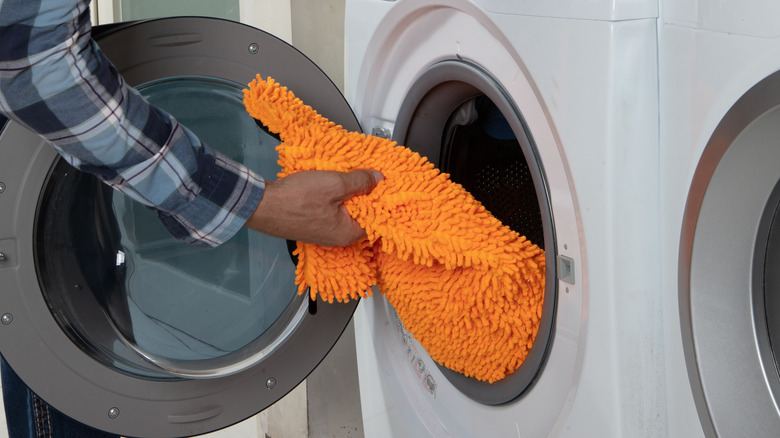
Even the best and costliest microfiber towels can succumb to early wear and tear. Although the quality of materials plays a huge role here, all microfiber cloths can deteriorate rapidly if not given proper care, particularly when handling and washing the cloth.
For starters, segregating towels for different tasks will avoid cross-contamination of dirt and debris, and this helps them last longer. Microfiber towels come in many sizes and colors, making it easy to assign separate towels to different jobs. Having dedicated towels for washing, waxing, and general cleaning is better than having a single towel to handle everything, which inevitably leads to early degradation.
Meanwhile, storing fresh towels in a zip lock bag and away from heat sources ensures they're kept soft, clean, dust free, and ready for the next cleaning job. Applying light pressure when wiping will also prolong a microfiber towel's lifespan.
What's more important is how you wash the microfiber towels. First off, avoid washing all of your towels in a single load, as washing them together is a surefire recipe for contamination. Wash overly dirty towels separately from the not-so-dirty ones to make them last longer. Next, avoid using harsh detergents, bleach, fabric softeners, or dryer sheets when washing, since the harsh chemicals can ruin and stiffen the fibers.
The critical part is when drying the towels, since throwing them in the dryer will shorten the lifespan of the fibers and hinder their ability to absorb water or attract dirt. Drying on high heat can permanently melt the fibers, so it's best to hang dry them to avoid damage.