

These Are The Least Reliable Used SUVs You Want To Avoid, According To Owners
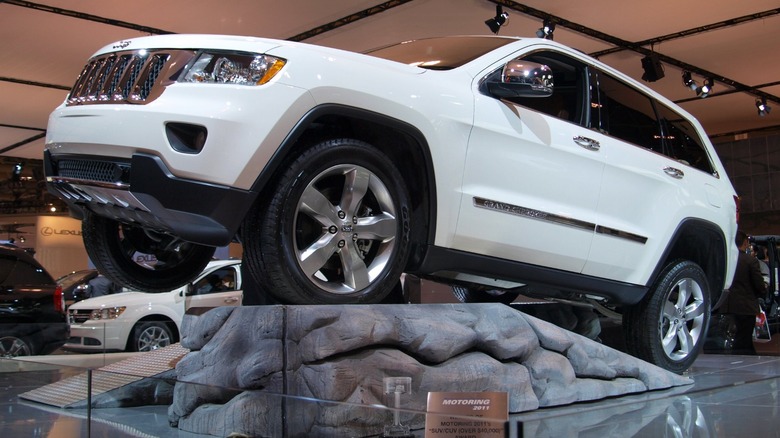
No one wants to buy a used vehicle (any vehicle, really) that requires a visit to the mechanic's shop every weekend. That's especially true for SUVs, which, over the past few years in the U.S., have become the preferred option for many drivers. According to GoodCarBadCar, 52% of all new cars sold in 2025 were SUVs. Still, not all SUVs are built the same, and even manufacturers celebrated for building dependable ones are ironically responsible for some of the least reliable examples.
While studies and ratings can give a lot of helpful insight into making the right choice, nothing quite tells the story like the feedback from owners themselves. So, to pull this list together, we looked at the complaints and opinions of SUV owners reported on the National Highway Traffic Safety Administration (NHTSA) site and on various vehicle forums. That said, these are the least reliable used SUVs you want to avoid, according to owners.
2017 Land Rover Discovery
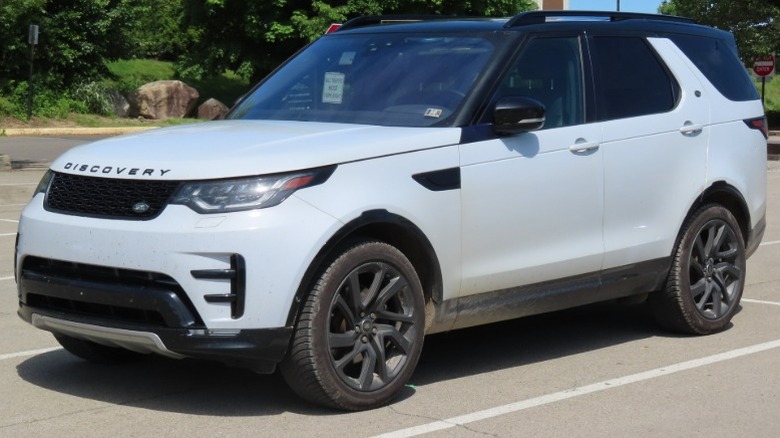
If you own a Land Rover Discovery, you're probably familiar with its poor reputation in terms of reliability. The 2017 Land Rover Discovery kickstarted the fifth generation of this SUV. In more ways than one, it evolved from its predecessor, the LR4, posing as a capable off-roader and family SUV. However, it only affirmed the unimpressive quality of the Land Rover brand.
Although there is a range of reported issues on this model, problems with the powertrain stand out quite a bit. Vehicle owners have reported that their vehicle randomly loses power and stalls. The rotary gear selector dial on some vehicles may also get stuck.
But it doesn't end there. The 2017 Land Rover Discovery is also riddled with electrical problems, seemingly caused by water leakage. For some owners, this leakage can cause error messages to pop up, interfere with the display, or, even worse, damage the infotainment system entirely. Some affected owners had their windshields or seals replaced, but this didn't always solve the problem.
2011 Jeep Grand Cherokee
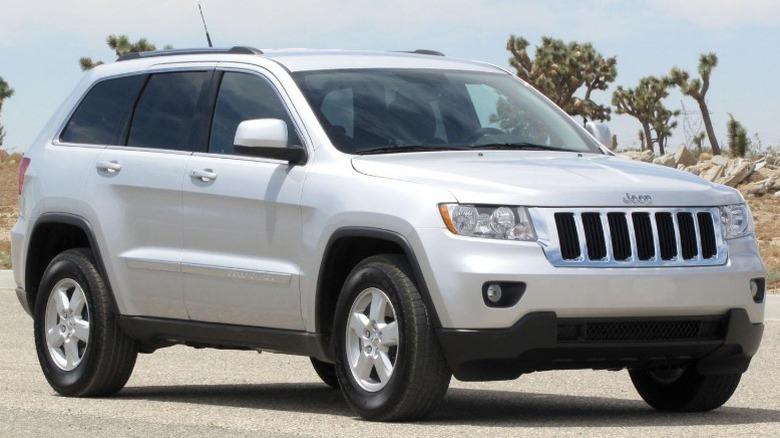
Consumer Reports says that Jeep typically has below-average reliability ratings, especially when stacked against other brands. In JD Power's 2025 Dependability Study, the company placed 28th out of 30 vehicle automakers, only behind Chrysler and Volkswagen. So, it may not come as a surprise that the Jeep Grand Cherokee frequently appears in reports of vehicles to avoid purchasing. But even among its model years, none seem to match the defects of the 2011 release.
Owner reports submitted to the NHTSA only reinforce the reputation of this vehicle. With over 1,600 complaints covering a plethora of issues, it's hard not to see this SUV as a red flag on four wheels. Owners particularly highlight problems with its electrical components, with many reporting defects with their alternator. In several cases, the alternator reportedly overheats and even catches fire, causing some vehicles to emit smoke from under the hood, produce whining noises, burning smells, and other problematic issues.
In addition to this, there's the fuel pump relay that's prone to failure and may cause the vehicle to stall, increasing the risk of a crash. This led to a 2019 recall, affecting 528,594 vehicles, and becoming the sixth recall for the 2011 Jeep Grand Cherokee.
2016 Ford Explorer
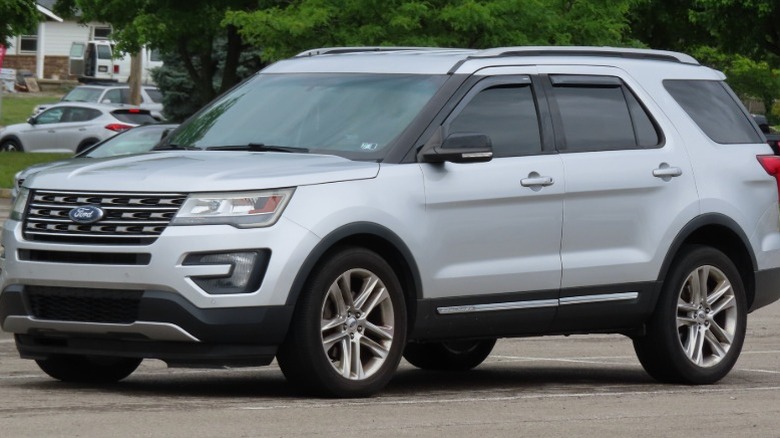
Another SUV owners have found to be very problematic is the 2016 Ford Explorer. This vehicle has over 2,300 complaints reported to the NHTSA. So far, there have also been 14 recalls, the most recent being initiated in October 2025.
Starting with structural issues, the B-pillar and A-pillar trims on these Ford Explorers are prone to detaching, sometimes even while the vehicle is in motion. And although a recall was issued for the A-pillar trim, it did not stop the complaints from pouring in.
Even more worrisome, however, are the engine-related issues. The internal water pump tends to leak, which makes the engine vulnerable to overheating and failing. This problem actually cuts across several Ford models, including the Fusion, Edge, and Taurus, and it eventually resulted in a class action lawsuit. On top of these issues, there are fuel and exhaust leak concerns with this vehicle. Many owners report a repugnant, rotten smell in the vehicle that leaves passengers nauseous and unable to remain in the vehicle.
2011 BMW X5
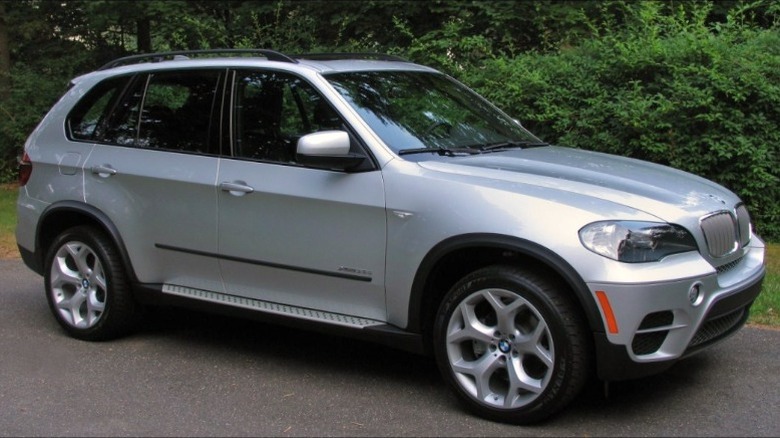
Whether the BMW X5 is a reliable vehicle largely depends on who you ask. For owners of newer generations, it is likely a fairly dependable SUV. However, for those with the 2011 model, the experience is likely different. This model has amassed 15 recalls and hundreds of complaints from owners. In fact, Car Complaints reports that it has more complaints than any other X5, as well as the most reported problem out of all model years.
Owners may perceive a gasoline odor when starting, stopping, or accelerating their vehicle. Also, for owners of the diesel variant, there are reports of diesel exhaust fumes. This issue appears to be especially difficult and expensive to resolve. After attempting to fix their vehicle at the dealership, one owner, expressing their grievances on Edmunds, stated, "Emission problems continue. Car was in the shop for 7 consecutive months in 2018. Yes, I was without my BMW for 7 months. BMW could never figure out diesel emission faults. Replaced everything, including particulate filter. Final bill, this time, just over $7,000!"
2015 Range Rover
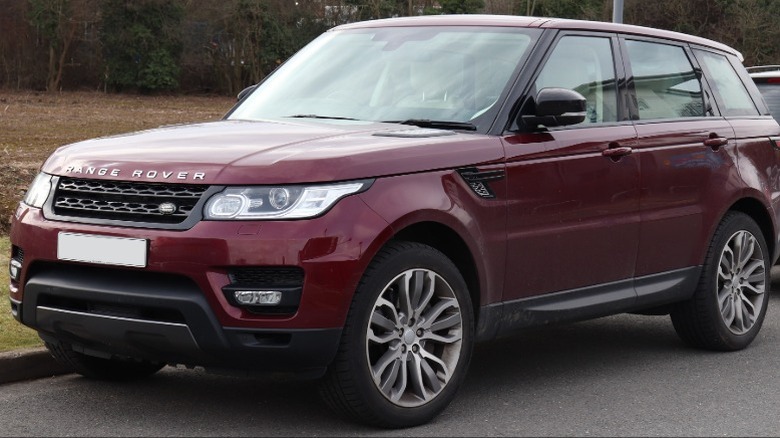
Range Rovers are some of the coolest-looking SUVs you can buy, but many owners who have had them long enough will tell you to steer clear of this vehicle. It's not just known to be prone to a host of defects, it's also very costly to maintain and repair. According to RepairPal, the Range Rover, on average, costs $1,258 annually in maintenance costs, much higher than the average vehicle and even exceeding most luxury full-size SUVs.
Despite this, the Range Rover remains a desired option for buyers who prioritize luxurious appeal. If you're going to invest in this model, however, you'll want to avoid the 2015 model year. While the 2015 Range Rover was a promising SUV at first glance, thanks to its new All-Terrain Progress Control (ATPC) and improved heads-up display, owner complaints leave much to be desired. One of its issues is overheating without any warning signs. And in some of the cases reported by the NHTSA, the car "randomly shuts itself off." So far, 10 recalls have been made on the 2015 Range Rover.
2017 Audi Q7
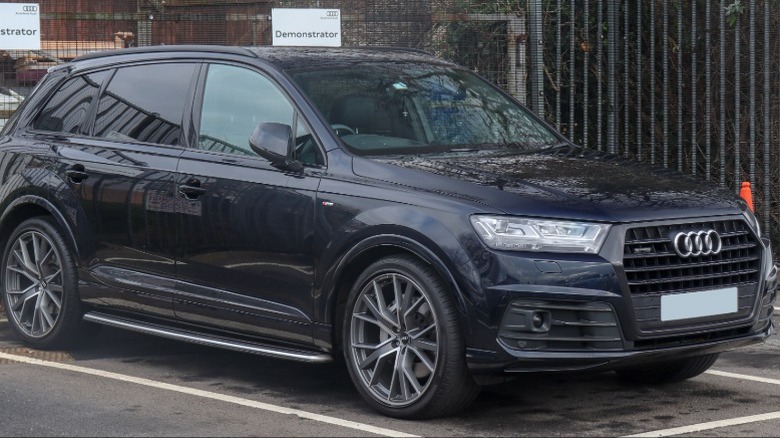
The 2025 Audi Q7 is a spacious three-row SUV. It is stylish on the outside with a quality interior. For the most part, it's a decent SUV, but like many vehicles on this list, you'll need to choose the model year carefully. The 2017 Q7 came with new, modern changes, presenting a more advanced version of this SUV. It, however, turned out to be perhaps the least impressive year for the Q7 reliability-wise.
Among its many issues, owners have drawn attention to the Q7's excessive oil consumption. Vehicle owners are sometimes unsure of how much oil consumption is normal. Oil burns so quickly that some vehicle owners report losing one quart of oil every 1,000 miles, and in more severe cases, every 500 to 600 miles. Despite this putting the vehicle at risk of stalling or stopping unexpectedly, one owner, upon reaching out to the brand, was informed that their vehicle's rate of consumption was within expected tolerance
Moreover, there is a high risk of engine failure on the Q7. One owner reported a problem with the engine that caused their car to shake violently, followed by a "Drive System Malfunction" error display. Going by the feedback from repairers, this problem may be linked to the excessive oil consumption. But neither of these problems seem to have been addressed in its recalls. That said, here are other used Audi models you can buy with confidence.
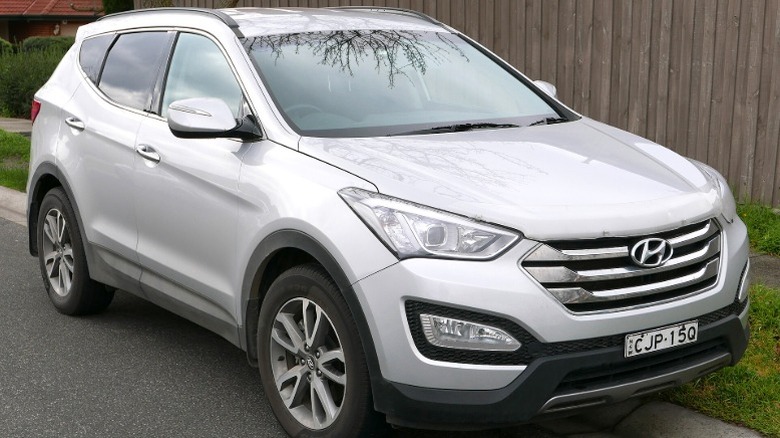
2013 Hyundai Santa Fe
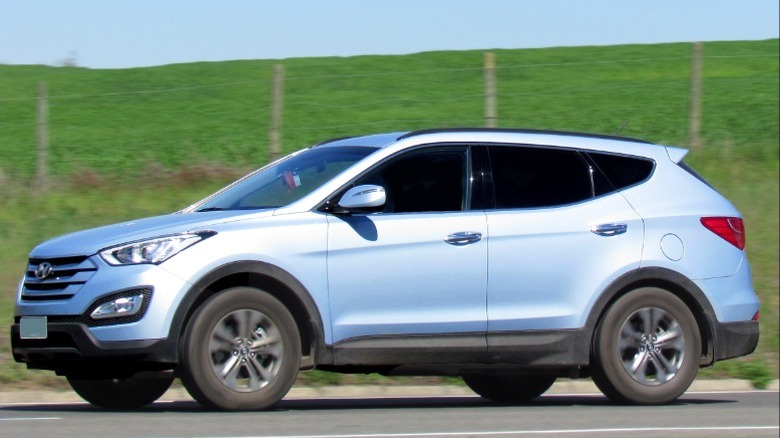
Next, we have the 2013 Hyundai Santa Fe, an SUV that has amassed over 600 complaints and three recalls, as reported by the NHTSA. According to owner complaints, a huge chunk of its issues are engine related, one of them being its oil consumption rate. This issue has many owners spending excessively on oil changes in order to prevent engine damage. However, many owners still report outright engine failure. In 2023, a class action lawsuit was instituted against the company for defective engines sold in various models, including the 2013 Santa Fe.
The steering is another major issue. Owners have to deal with a bunch of safety hazards, from clicking sounds to vibrations and loose wheels. This problem has been traced to the disintegration of internal components, particularly the steering coupler. One owner reported that their steering had become completely uncontrollable, putting them at risk of two accidents. Despite the widespread nature of this complaint, Hyundai did not issue a recall on it.
Methodology
To find out what owners had to say about these SUVs, we relied on the NHTSA complaint and recall records, CarComplaints trend data, consumer reviews from Edmunds, and firsthand feedback from forums on Reddit.