

Can Diesel Fuel Go Bad Over Time?
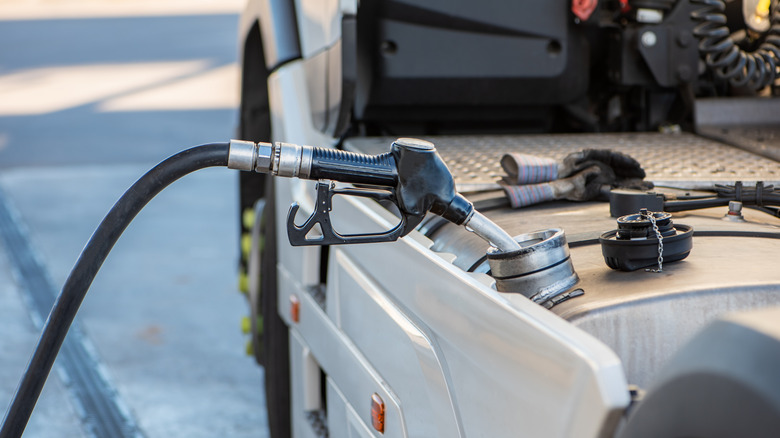
Yes, diesel can go bad over time, just like gasoline when it sits for too long inside your car. Typically, its shelf life is anywhere between six and 12 months, which is twice the usual rate of unleaded gasoline. Diesel, however, can last longer (up to 24 months) if stored properly. When it comes to storage, national standards recommend that diesel be consumed or replaced within two years. But consider that as more of a guideline, as the time period can vary depending on storage conditions and the state of the fuel itself. Instead of relying on the calendar, look at more reliable indicators like the fuel's odor, water content, texture, and color.
Excess water in diesel can turn it milky, shortening its lifespan and possibly damaging your vehicle's internals. Although most modern diesel engines have built-in filters with water separators, finding moisture in diesel tanks is more common than you think. Usually, diesel is clear or pale yellow in color, but it's not uncommon to see red, blue, or yellowish-green tints. This isn't always a sign of contamination; diesels mixed with red and blue dyes signify their tax-exempt status. Government vehicles typically use blue, while red diesel is used for off-road applications such as agriculture, mining, and construction. However, when your diesel looks cloudy or has a dark brown color, it most likely is contaminated.
Diesel fuel can emit a foul, rancid smell when it has gone stale. You'll also notice a change in texture, with contaminated diesel feeling thicker and more viscous. Other factors — like hydrolysis, microbial growth, and oxidation — also contribute to stored diesel going bad.
Diesel contamination breakdown and tips for long-term storage
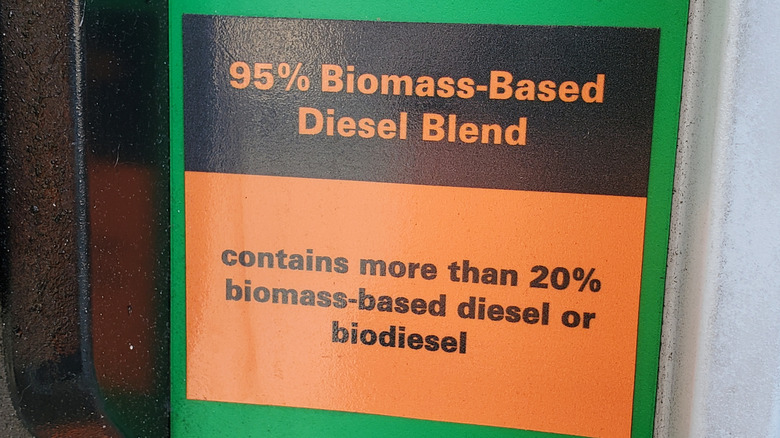
Diesel is hygroscopic, which means it's more likely to attract water molecules. While a little bit of water isn't a problem, too much water can cause trouble, regardless of whether it's a diesel or gasoline engine. Water is a breeding ground for bacteria, and low-sulfur diesels of today (including biodiesel blends) are less resistant to microbial growth, leading to the formation of diesel algae — which you might also know as the diesel bug. Contaminated diesel fuel can cause all sorts of problems, including corroded fuel lines, damaged injectors, and clogged filters.
Oxidation is another threat causing diesel to go bad over time. Prolonged exposure to the air while sitting in a storage tank oxidizes the diesel fuel, forming sludge and ruining its consistency. Also, chemical breakdown can occur when diesel is continuously exposed to sunlight or heat before it's meant to be burned. If you're storing diesel, make sure to keep the tank in a cool, dry place, preferably between 20 and 85 degrees Fahrenheit.
Other storage tips include the use of additives to prolong the diesel's shelf life. These help slow down the oxidation process and resist microbial growth. Biocides are worth considering as they can help deal with bacteria in water-contaminated fuel. Use airtight tanks made of steel or high-density polyethylene to prevent moisture buildup, and brim them up to reduce the air gap. Last but not least, make sure to keep the tanks clean, double-check to make sure they're dry before refilling, and inspect them regularly for rust and water ingress.