

What's The Difference Between A Factory-Installed And An Aftermarket Tow Hitch?
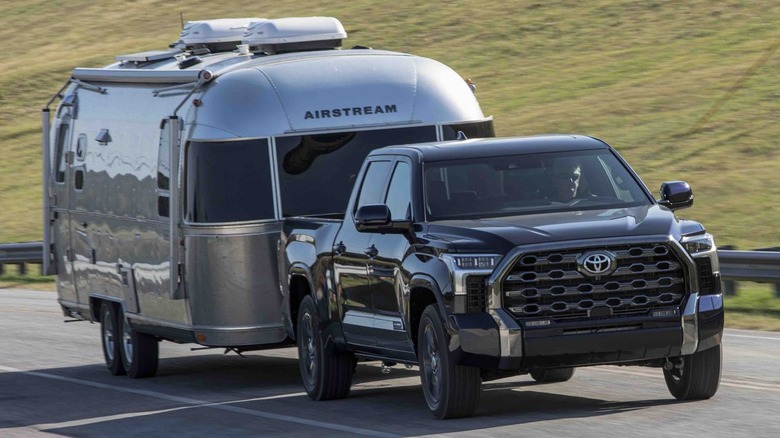
One of the most significant advantages of a pickup or SUV is the ability to tow a wide range of equipment, as well as other vehicles. While these vehicle types tend to offer the most robust capability in terms of pulling power, crossovers can also be a decent option. The Model Y's towing capacity isn't bad, especially when opting for the factory tow package. The absolute essential component needed for pulling things with your vehicle is the tow hitch or hitch receiver. The hitch is a part affixed to the vehicle's frame, providing an attachment point for a trailer.
These hitches come in a few different configurations, depending on the towing vehicle and the capacity required. For many, a ball hitch will suffice, as it works with most vehicles and can manage a wide array of loads. The ball hitch is installed at the rear of the vehicle just underneath the bumper. For heavy-duty pickups specifically, there are also fifth-wheel and gooseneck hitches designed to pull immense weights. Instead of being attached to the frame underneath the rear bumper, these brawny hitches utilize mounting points in the truck's bed, so the weight is placed above the rear axle, helping to stabilize heavy trailers.
There are two ways to get a tow hitch on your vehicle: opting for a factory towing package or installing an aftermarket product. When comparing the two, the key differences amount to appearance, performance, cost, and convenience. The choice of which one is right for you also comes down to what you'll be towing.
Factory tow packages hold the advantage in terms of capability, looks, and ease of installation
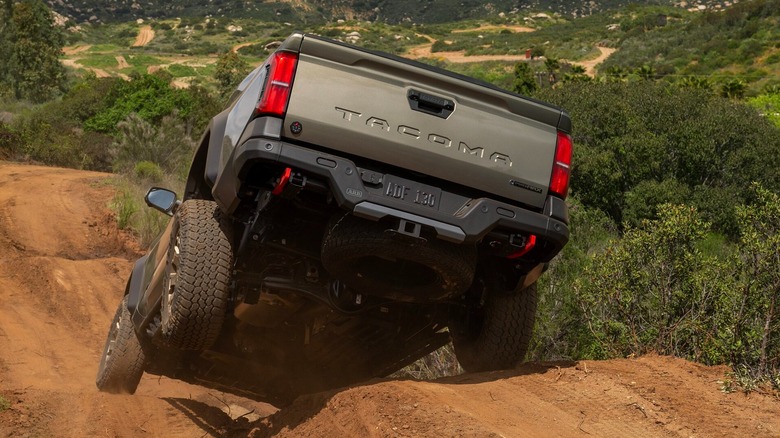
Many automakers offer a towing package for applicable models at an additional cost over the base version. While this add-on includes the tow hitch, it also typically comes with other enhancements, which allow you to get the most performance out of the vehicle. For instance, a tow package often has the wiring already installed, allowing you to simply connect to the supplied harness for things like trailer lights and even brake systems. Although, you may still need to purchase a brake controller separately. In addition, these factory packages can also provide rear-end gearing tuned specifically for towing and more rugged cooling parts. Having a cooler installed is one of the ways to protect your car's transmission when towing. These extras can help you unlock your vehicle's full towing capability.
Original equipment manufacturer (OEM) parts also feature a much more appealing esthetic, as these are specifically made for a particular model. This means that while aftermarket products may look bulkier and less uniform, the factory parts are better integrated, appearing as a part of the vehicle, rather than add-on components.
In addition, when you choose a tow package from the automaker, the installation is already complete when you receive the vehicle. This means you're immediately ready to tow, without having to spend some of your weekend sliding around the garage floor bolting on parts.
Aftermarket hitches offer substantial savings and flexibility for those with a do-it-yourself attitude
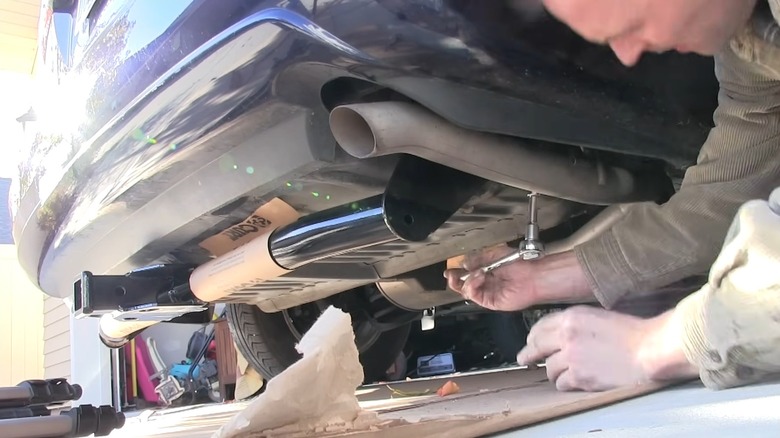
There are plenty of advantages to selecting the factory tow package, but one of the biggest disadvantages is the price. You're looking at potentially a few thousand extra dollars for the OEM package. In comparison, an aftermarket tow hitch receiver may only cost a few hundred dollars, a dramatic reduction in the damage to your wallet. In terms of hitch installation specifically, it's not a complex procedure and can be completed with a handful of common tools in the span of a few hours. The rear bumper of your vehicle may need to be removed temporarily to gain access to appropriate mounting points along the frame, but you can often find plenty of free video tutorials on popular social media platforms.
It's also important to remember factory installs aren't immune from problems, as there have been occasions where OEM parts were discovered to be faulty. A good example was a 2022 recall, during which it was discovered that Kia and Hyundai trailer hitch wiring may spontaneously combust. In this case, an aftermarket option would've been safer, as the recommended action from the automakers was to park the vehicle outside until repairs could be made.
In some cases, such as when buying a used vehicle, an aftermarket tow hitch system may be your only option. This lends to the enhanced flexibility of the third-party options, allowing those with older models to still take advantage of towing capability.
Factory versus aftermarket: which is right for you?
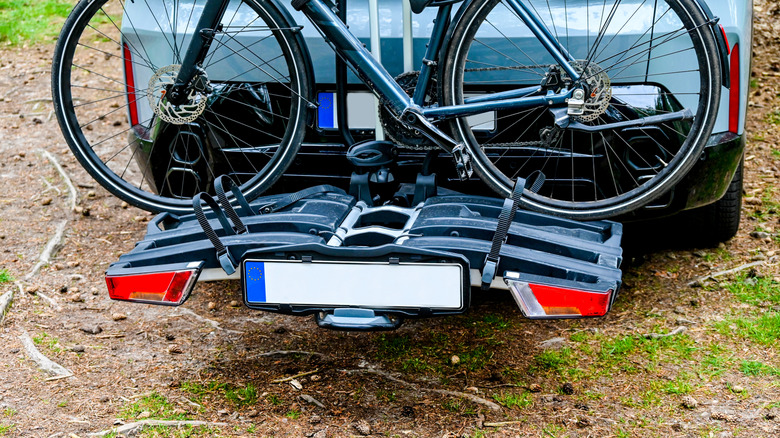
To properly answer this question, it's crucial to determine how you'll be using your new tow hitch. For instance, someone looking to pull a boat behind their SUV will have dramatically different requirements than another driver looking to add a tow-hitch-mounted bike rack. While you may conclude that a factory package will cover a wider range of uses, those additional features, such as altered gearing and extra cooling components, can contribute to reduced fuel economy. Even the ride and stability can be negatively affected when not towing if you have a factory package.
Essentially, if you plan on regularly towing heavier loads, like an RV, ranch animals, or large equipment, it's worth getting a factory tow package that prepares the vehicle for the workload. However, if you plan on less rigorous applications, such as transporting a riding mower, or perhaps a few sport ATV's, aftermarket options should be more than adequate. In addition, if cost is paramount, you can find big towing power on a small budget with used trucks and aftermarket options.