

Do Spark Plugs Need Anti-Seize Lubricant?
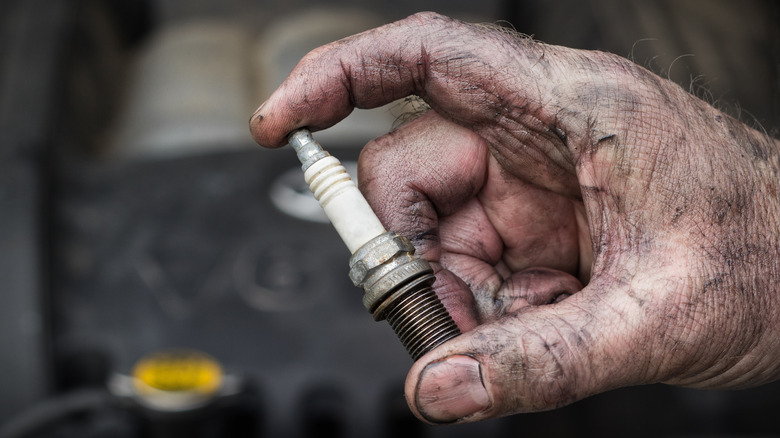
We won't blame you for adopting the age-old habit of applying anti-seize lubricant to new spark plugs, specifically before inserting them into the cylinder head. Besides, anti-seize was conceived specifically to address corrosion and premature wear to metal parts, either through mixed metal friction, extreme heat, or frequent removal. Most anti-seize products use high-temperature grease mixed with particles of copper, aluminum, or nickel, but some are specific to their intended application.
For instance, the brake caliper bolts should be treated with anti-seize when changing the brake pads or servicing the rotors, while high-temperature anti-seize grease is great for sizzling-hot exhaust bolts that can sometimes reach 1,000 degrees Fahrenheit. And when it comes to spark plugs, a little bit of anti-seize on the threads wouldn't hurt, right? Especially for those who know that removing a seized spark plug is not exactly a walk in the park for the uninitiated.
However, applying anti-seize is just one of those spark plug myths that need to end. Spark-plug expert NGK notes that the lubricating properties of anti-seize can alter the torque values by up to 20%, which means increasing the likelihood of overtightening the plugs and leading to thread breakage or damage to the cylinder head. In short, applying anti-seize on the spark plug threads could be bad news for the plugs and your car's engine, but the consequences go beyond that.
Anti-seize can deform the plugs
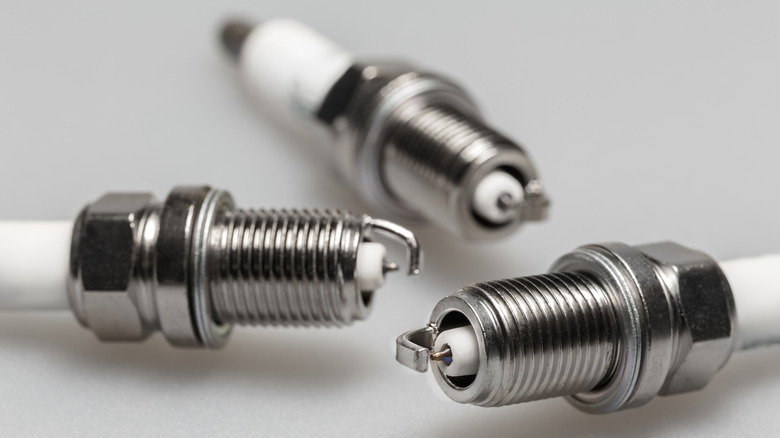
NGK adds that anti-seize increases the risk of metal shell stretch, which is a fancier word for any sort of damage or deformity to the spark plug. Whatever the case, damaged plugs can affect their heat range and cause pre-ignition, mediocre performance, and costly internal damage. For your engine and sanity's sake, it's best to avoid anti-seize grease when installing spark plugs since most are already treated with anti-seize coatings from the factory.
The shiny chrome or silver finish on the threads of new plugs has less to do with their newness and more to do with making them easier to remove in the next servicing. It's what NGK refers to as "trivalent coating" (other spark-plug makers might use a different name), a special kind of plating that prevents metal-to-metal seizing. But for older cars and engines, it's better to consult the manual or check with the manufacturer before proceeding, since some may require greasing before installing. If the new plugs have a chrome or shiny finish, stay away from anti-seize grease. That's the general rule.
Finally, periodically replacing the spark plugs — preferably every 30,000 miles for copper plugs and 60,000 to 100,000 miles for platinum and iridium plugs — and taking utmost care that the threads are moisture-free before installing, will prevent them from seizing up in the future. Make certain to check the gaps before installing and to torque each plug to spec to prevent issues later on.