

Spark Plug Heat Range: What It Is And Why It Matters

When an air-fuel charge burns inside an engine's cylinder, some of the heat that is produced gets absorbed by the spark plug. The heat is transferred to the engine's coolant, taking a path through the insulator nose, metal shell, and cylinder head. How quickly and efficiently this heat transfers from the spark plug's firing tip is known as its heat range, and it also affects the plug's designation. A plug that transfers heat slowly is considered a hot plug, while one that transfers heat quickly is known as a cold plug.
Hot plugs use a longer insulator nose, which increases the distance heat must travel before leaving the firing tip, keeping it hotter for a longer period of time. On the flip side, the tips in a cold plug remain relatively cooler thanks to its shorter insulator nose, which allows heat to escape quickly. Although heat range has nothing to do with spark strength or ignition power, it can still affect a plug's overall performance and longevity. Hot and cold plugs have differences in their designs, and you should know which one to use in your engine. As always, the consequences of using the wrong spark plug can be dire.
Hot vs. cold spark plugs and how design controls temperature
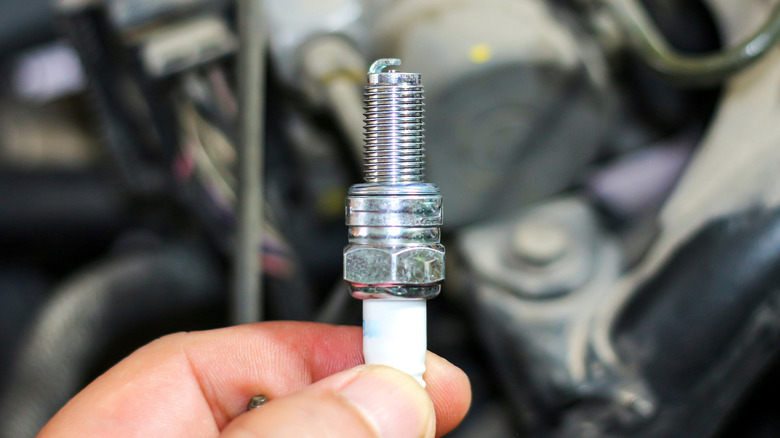
Heat is transferred more efficiently from a cold spark plug's firing tip while a hot one retains it for longer. As such, the terms "hot" and "cold" denote how well a plug can control heat. This difference is created almost entirely by the length and shape of the ceramic insulator nose.
Hot plugs are tailor-made for stock engines. Their longer insulator noses are exposed to combustion gases more often, and their firing tip stays warmer since the heat needs to go further before it's transferred to the metal shell. Because of this heat, any oil (which could cause spark plug fouling) and carbon deposits that might have built up are burnt off. That makes these plugs great for low-speed operation and engines that don't produce extreme combustion temperatures.
Cold plugs use shorter insulator noses, creating a shorter heat transfer path. Heat moves quickly into the cylinder head, preventing the firing tip from overheating. This design is critical for engines that operate under high load or elevated cylinder pressures.
Why heat range matters for performance and engine safety
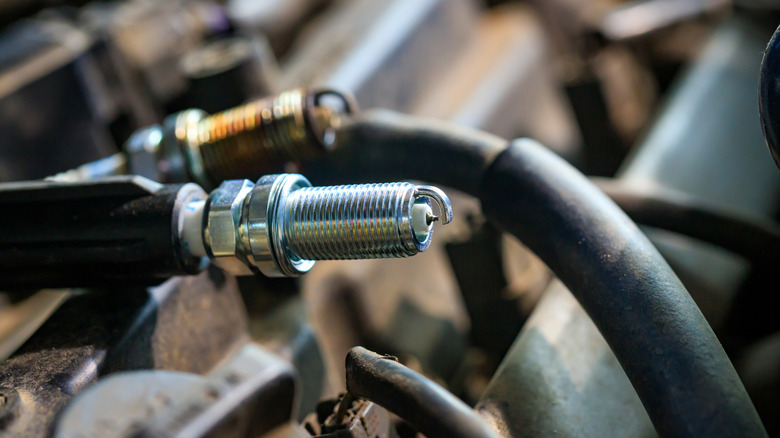
A plug that is too cold might not be able to naturally burn off the deposits that accumulate on the insulator. As those deposits build, energy can fail to move through the spark plug properly, causing misfires and inefficiency. On the other hand, a plug that is too hot is far more dangerous. Excessive firing tip temperatures can cause pre-ignition, where the air-fuel mixture ignites before a spark even happens. This dramatically raises cylinder pressure and temperature, increasing the risk of melted electrodes, damaged pistons, burned valves, and severe engine failure.
Engine operating conditions determine the correct heat range. Higher compression ratios and turbocharged engines lead to raised combustion temperatures, typically requiring a colder plug. Conversely, low-load operations, short trips, and worn engines may benefit from a hotter plug to prevent fouling. That being said, simply referring to plugs as "hot" and "cold" doesn't begin to cover the various spark plug types, and it's better to know the nuances beyond their heat range.