

What's The Quickest Way To Defrost Windows?
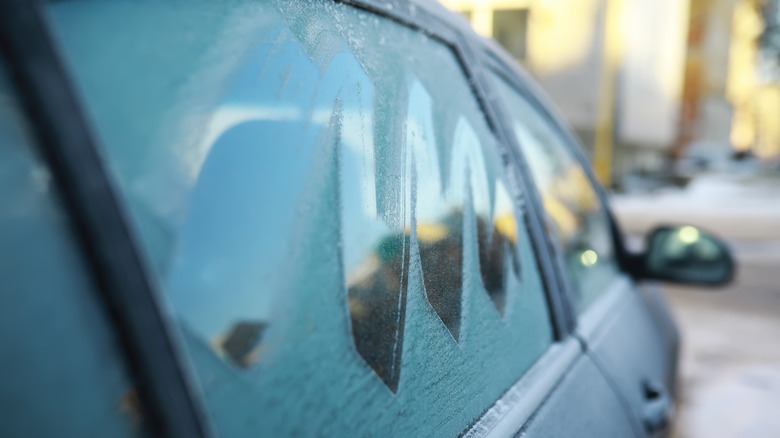
Frosted or fogged windows are the result of a simple moisture problem. Warm air can hold more water than cold air. That moisture is released when the warm air is cooled and rushes toward the coldest surface it can find, which is usually the windows. Overnight, the moisture freezes to form frost or ice on the outside, while inside it takes the form of fog or condensation.
Your first instnict is likely to scrape the ice on the outside, but that's not how you should go about it. Rather than trying to get the ice off your windows as quickly as possible, you should focus on effectively removing the moisture from the air. What you should do is get the engine running and make use of the climate controls at your disposal. Drying the air inside the cabin and warming the window glass is far more effective than going gung-ho with the scraper.
Fog and frost are the same problem in different states. Fog is liquid condensation (here's how to keep your car's windows fog-free, by the way), while frost is frozen condensation. The solution for both is the same, which is to raise the glass temperature and lower the humidity around it.
The fastest way to clear windows using your car's climate system
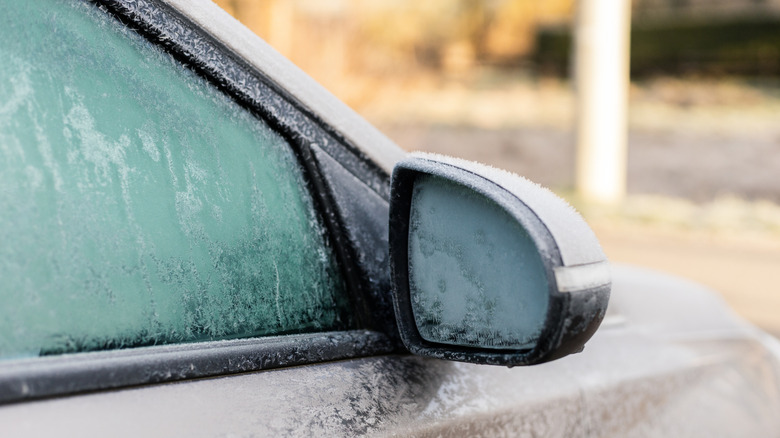
The quickest method relies on making the air inside the vehicle hot and dry. Go for the defrost or defog setting first thing after starting the engine. To pull the condensation off the glass as efficiently as possible, you need to warm the air because it can absorb more moisture. To do this, the fan speed should be high, and the temperature should be set to warm. And if your heater will only blow cold air, that's a relatively easy problem to fix.
The next step might sound a bit counterintuitive, but it's important nonetheless. You need to turn on the air conditioning because as the air is passed over the A/C coils, moisture is stripped away from it. This speeds up the drying process. At the same time, turn off the air recirculation. You need to bring in the fresh winter air from the outside. It's cold and dry, and it increases the system's ability to absorb the moisture inside the cabin.
If conditions allow, crack the windows slightly. This helps exchange humid interior air for drier outside air, accelerating the process even further. While the inside is clearing, you can scrape the exterior glass. As the windshield warms, ice and frost loosen and come off more easily.
Clearing ice faster and avoiding costly mistakes
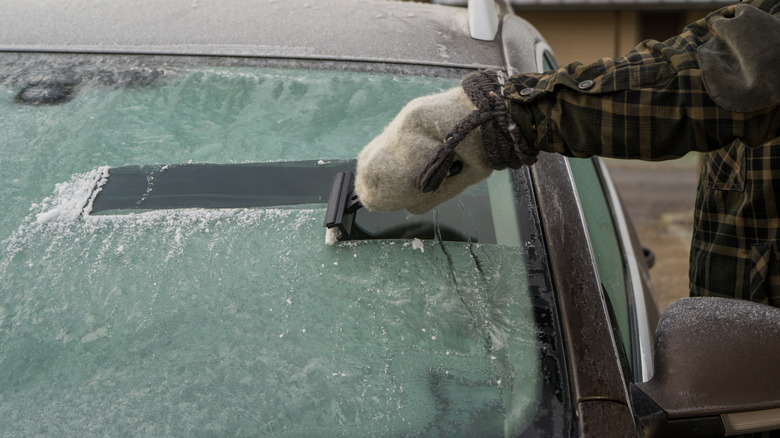
For exterior ice, patience and the right tools matter more than force. Never use hot or even lukewarm water on frozen glass. Rapid temperature changes can cause the windshield to crack, especially if there are existing chips. Water can also refreeze, leaving thicker ice or freezing the wipers to the glass.
A proven alternative is a simple deicing spray made from rubbing alcohol and water. A mixture of two parts alcohol to one part water won't freeze and softens ice on contact. Spray it lightly, wait a moment, then use a plastic ice scraper or the windshield wipers to remove the loosened ice. Always start from the top and work downward for better control.
Prevention saves the most time. Using a windshield cover or slightly cracking the windows overnight reduces moisture buildup. Lifting the wipers off the glass prevents them from freezing and tearing. Staying with the vehicle while it defrosts also matters, both for safety and security. Maybe consider investing in a rear defroster too; the rear defroster in your car does more work than meets the eye.