

Limp Mode: What It Is, Why It Happens, And What You Can Do About It
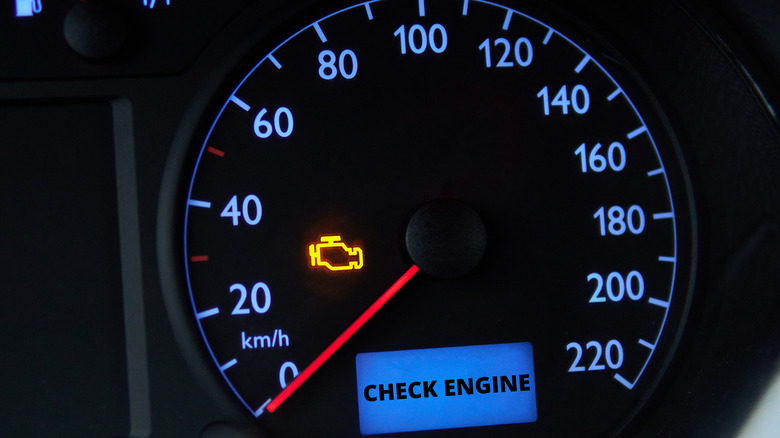
Over the decades, carmakers have developed failsafes to ensure that you don't blow up your engine, transmission, or other vital components. Limp mode is one such system, protecting your car when a fault occurs. You'll know when your vehicle enters limp mode, as you may experience a loss of power, the engine refusing to rev past a certain point, and a reluctance to change gear. The dash will also throw up the dreaded check engine light to let you know something's wrong, in case you haven't already noticed the sluggishness that has set in like a terrible hangover. To save itself, the car will also limit its maximum speed.
Limp mode is automatically enabled when your vehicle's ECU senses that there is one or more issues with the functioning of vehicle's vital components. This could range from low oil or coolant levels, possibly due to broken hoses or the driver forgetting to top them up, to the engine or transmission overheating. Even electrical issues, including sensor problems, can trigger limp home mode, such as the wheel speed, throttle position, or mass air flow sensors, if they are clogged or have faults. Modern diesel vehicles equipped with a diesel particulate filter or DPF can enter limp home mode if the filter becomes clogged, although this power reduction could be outlawed in 2027 under a new EPA policy. Internal combustion vehicles aren't the only ones with a limp home mode, as electric vehicles have something similar. Called turtle mode, it offers just enough power to get somewhere safe when there's a fault or the charge runs out. The Fisker Ocean was recalled in 2024 after owners reported that their car went into this mode, which was attributed to a faulty water pump.
How do you fix a car that has gone into limp mode?
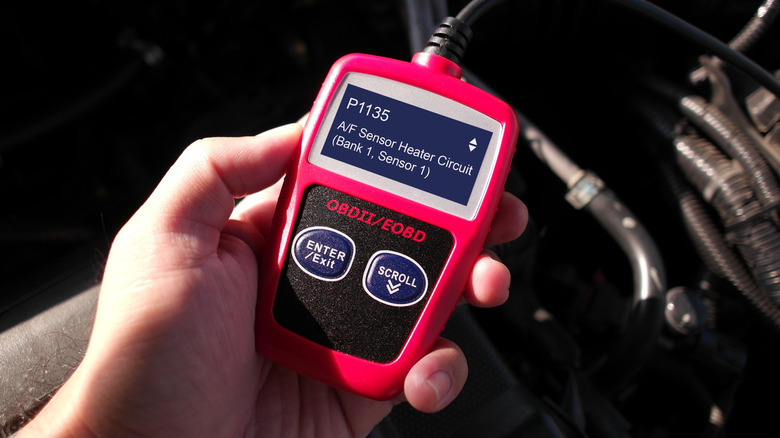
Cars rarely enter limp mode for no reason, so the first job is finding the fault. Although the car can be driven (albeit slowly) in this state, experts recommend that you pull over and stop the vehicle. Restarting the car may bring you out of limp mode, as the setting may be tripped by minor issues, but if that fails, get the vehicle inspected at your service center. If you don't have access to a nearby dealer, you can use an OBD-II scanner to find out what went wrong. Connect it to the car, and it should come up with an error code, which can tell you what triggered the issue.
Replacing fluids like oil or coolant, cleaning or replacing a clogged air filter, or swapping faulty sensors can be easy fixes. But the task becomes more challenging if it involves engine components like EGRs and DPFs, or issues with the transmission or turbocharger — all of which could trigger limp home mode — and might require a trip to the service center. Once the issue is identified and rectified, clear the codes using the OBD-II scanner, and the vehicle should function normally again.