

Steel Vs. Aluminum Hoods: What Each Material Does Best (And Worst)
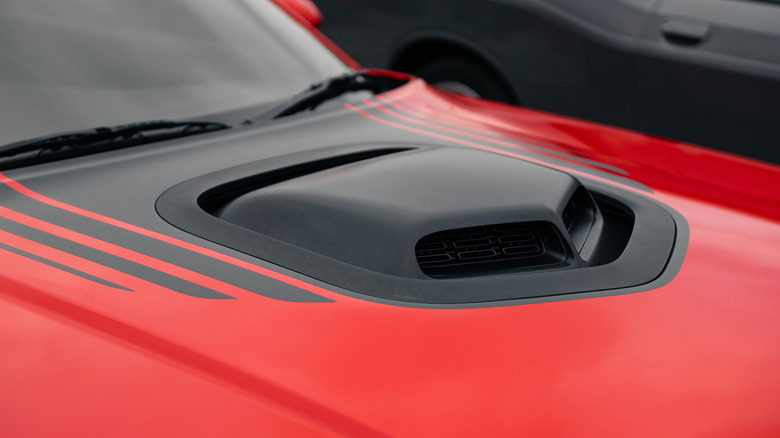
Cars these days are equipped with tons of advanced features, and this, among many other things, makes them quite heavy. According to the U.S. Environmental Protection Agency (EPA), average new vehicle weight in the United States increased significantly from 1981 to 2023, reaching record highs in recent years. Given how electrification, heavy batteries, and safety features are becoming more common, this trend is expected to continue.
Even the performance car market, where weight is scrutinized the most, follows the same trend. For example, the 2005 E60 BMW M5 uses the biggest engine ever put in an M5, but its weight is rated at 3,869 pounds. The latest 2025 BMW G90 M5 is rated at 5,390 pounds, mostly thanks to it being a hybrid with a big battery. With such a weight increase, automakers are now looking for ways to shed weight without compromising safety.
One of the ways to do this is by using lighter hood materials, such as aluminum instead of steel. However, a car's hood isn't just about weight — it also needs to balance durability, costs, corrosion, and performance. Pedestrian safety also plays a role: For example, a 4-inch taller hood can make your car 22% more likely to cause injuries. Here is everything you need to know about aluminum and steel hoods, and which works best for you.
Aluminum hoods are lighter and improve performance
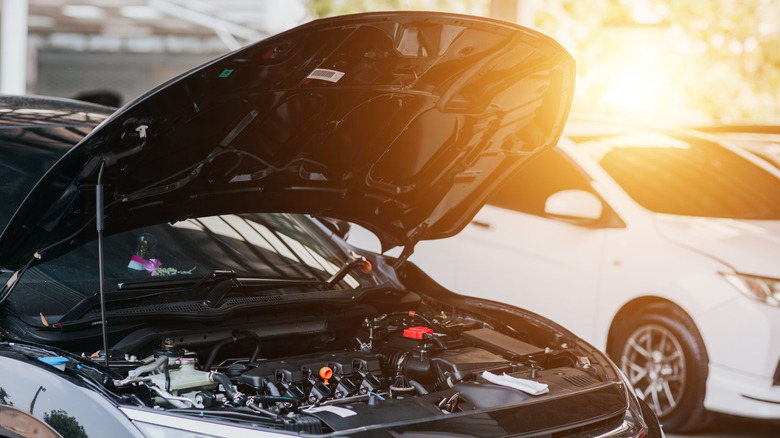
According to the U.S. Department of Energy (DOE), aluminum and other lightweight materials are 10% to 60% lighter than traditional steel. If we take into account that an average steel automotive hood for a mid-size sedan weighs around 30 to 60 pounds (sometimes 70+ for a pickup truck), replacing the hood with an aluminum one could decrease the car's weight by a few dozen pounds. Although it may not seem like much in a relative sense, it can make a lot of difference because of where it sits.
This hood weight is centered near the top of the vehicle, meaning that it affects the car's center of gravity. When you replace your steel hood with an aluminum one, that lower center of gravity is going to make the car more dynamic and handle better. Most cars place their engines in the front, and by shedding weight from the front of the vehicle, you can balance the weight distribution across the front and rear, and that can also improve dynamics.
Besides the car's dynamics, lower weight also benefits better fuel economy, decreases the strain on the front suspension, and, importantly, offsets the added weight of all of the batteries in newer vehicles. It is difficult to decrease the weight of cars these days, but automakers manage their best by combining small reductions (such as an aluminum hood) with other methods to make a meaningful decrease. It's the same basic idea behind Mazda's Gram Strategy.
Steel hoods cost less and are easier to repair
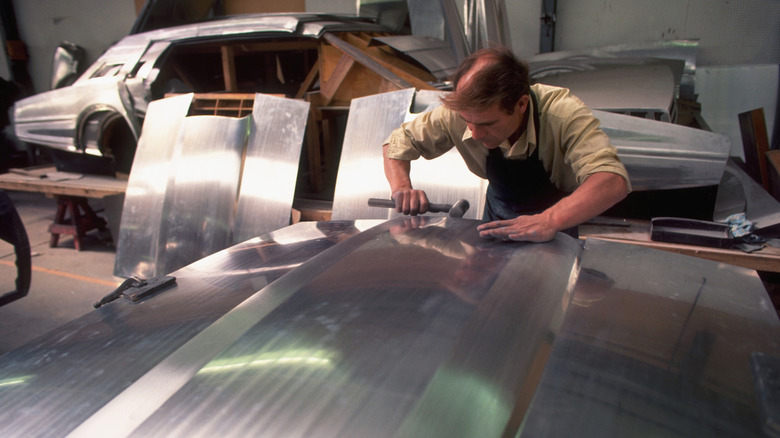
Although lower weight is great, many people question whether it makes sense to spend extra for relatively marginal weight reductions. According to a report by PW Consulting, automotive-grade aluminum is roughly two to three times more expensive than steel, with prices ranging from $2.50 to $3.50 per kilogram compared to $0.80 to $1.20 per kilogram for high-strength steel. In extreme cases, such as with the Bugatti Veyron's milled aluminum body panels, they can cost more than the car itself.
Moreover, steel is an easier material to repair, meaning that steel can be repaired by the majority of local car body shops. Aluminum requires special tools and is known to be more difficult to bend back in shape, especially if the damage is more significant. For example, the Insurance Institute for Highway Safety (IIHS) reported that repairing an aluminum-bodied Ford F-150 involved in a low-speed fender bender is approximately 26% more expensive compared to one bodied with steel.
Aluminum is also associated with 20% to 40% longer repair cycles due to riveting, a lower melting point, and because it requires more precision. Repainting an aluminum hood can also be a more difficult task because aluminum, compared to steel, is more prone to cracking during the curing process. All of this could potentially lead to higher insurance costs because insurers are aware that aluminum is more expensive to repair and replace.
Each material has different safety and durability trade-offs
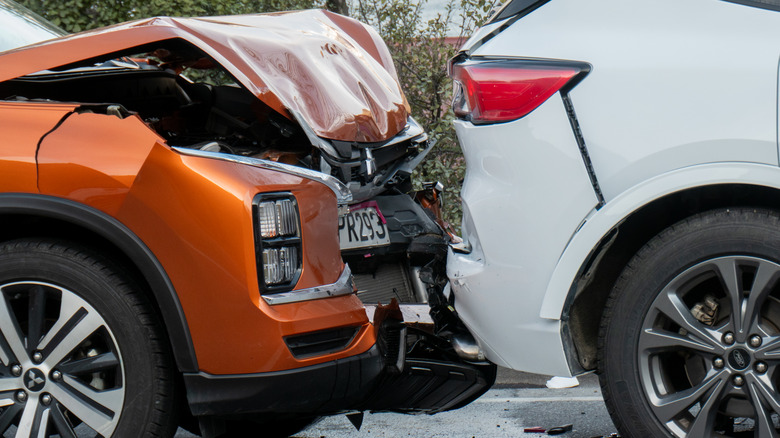
A steel hood is likely going to be three to four times stronger than an aluminum one. This means that it will better resist dents and will fare better in minor collisions. However, steel is more prone to corrosion if not properly treated, and that can destroy it. On the other hand, aluminum hoods are more resistant to oxidation, but are easier to bend out of shape.
Steel is more practical for a truck bed because it's stronger, more dent-resistant, and better suited for heavy-duty use, even if it's heavier and more prone to corrosion. Aluminum is generally viewed as the safer material for pedestrian protection, but it depends on the overall design and engineering. Steel materials are also bendable, meaning that a steel hood may resist fatigue for longer. Aluminum does not like to bend, and through a car's lifetime, aluminum is more likely to fail due to material fatigue.
Aluminum is also known to resonate more, and this can lead to a noisier driving experience that needs additional sound-dampening materials to counteract it. However, for someone who wants to upgrade the hood because they want it to look cooler, aluminum is the preferred material as it can often be adjusted into more complex shapes and designs.
Environmental impact of hood materials
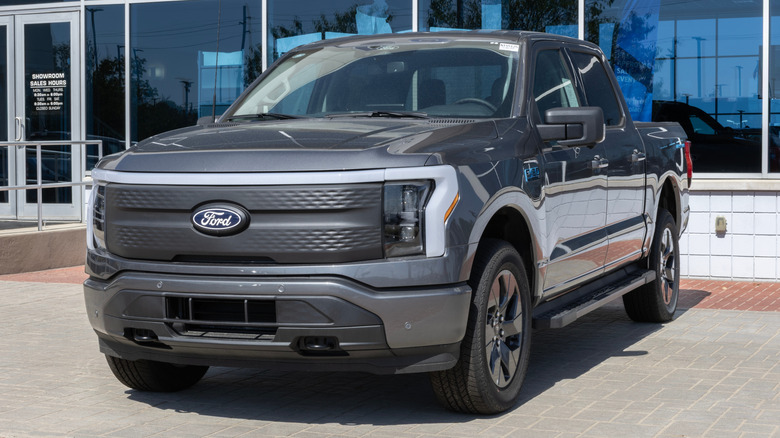
To round off our article, we also need to talk about the different environmental consequences of both materials. Aluminum requires more energy to produce, especially when complex shapes are involved. This increases the initial carbon footprint. Mining aluminum for the Ford F-150 Lightning has reportedly caused serious health impacts in the Amazon rainforest, affecting thousands of people.
On the other hand, according to the ESG Sustainability Directory, aluminum recycling requires only about 5 % of the energy of producing primary aluminum, whereas steel recycling typically uses 30% of the energy that virgin steel production uses. In today's day and age of trying to make the auto industry as sustainable as possible, automakers are often required to recycle aluminum to meet carbon reduction targets.
Although it is more costly and polluting to mine and create aluminum, it is cheaper to recycle it and re-use it. Lastly, although it may not be as important, scrap aluminum is generally more valuable than steel. In general, one material is not necessarily better than the other. It all depends on what you value more.