

Tips To Negotiate The Best Deal Possible On A New Car
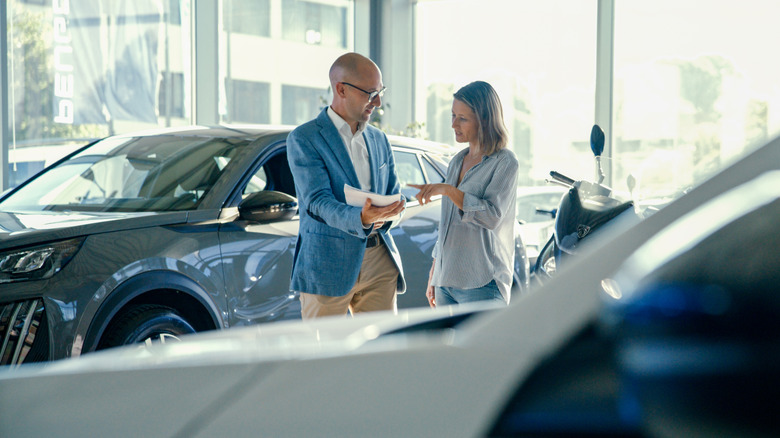
We are currently in a time of economic uncertainty, and consumers are facing increasing costs across the board. While you can buy plenty of used cars with $10,000, the average price for a new car has hit $50,000. It's more important than ever that buyers understand how to both leverage the best deal and not overspend in the first place.
One of the biggest mistakes consumers make is buying more than they can afford. While this seems like an obvious thing to avoid, millions of car buyers end up needing to offload their car because they can no longer manage the payments. Some of them might even end up with a repossession. While some experts will tell you not to focus too much on monthly payments, I suggest doing so before researching vehicles and going to a showroom. That way, you can set your budget accordingly and avoid the worst deals on new cars right now.
Tom McParland is a professional car shopper for new, used, and leased vehicles. He runs AutomatchConsulting.com, a nationwide car buying service. Tom has shopped thousands of deals from affordable compacts to high-end exotics since launching his business in 2012. Here are his top tips to make sure you get a good deal on a new car.
Research your budget before the car

Step one is to check your credit score, as that is going to be a huge factor in what kind of interest rate you qualify for. Step two is to determine what a comfortable monthly payment looks like, letting you figure out how much money you can use as a down payment. You'll want to work backwards using a loan calculator, staring with your target monthly payment. You can add in your down payment and estimate your interest rate, but remember that a lower FICO means a higher APR. Also, set a loan term; I recommend 60 months, but no more than 72.
Here's an example with a target payment of $500 per month with $5,000 down, using my local New Jersey sales tax and estimating about $800 for dealer/DMV fees. I set an APR of 7% and a loan term of 60 months. In this scenario, I can afford to buy a new car with a total out-the-door price of about $30,000. If I am determined to buy a new car, I should only be researching models with sticker prices in the mid-to-upper $20,000 range. These cars would likely be small sedans, hatchbacks, and crossovers like the Honda Civic, Subaru Crosstrek, or Nissan Kicks. If you conclude that your budget calculations put your desired new car out of reach, a used car might be the better choice. Of course, you will want to test drive your selected models to see what feels best from behind the wheel. What you should not do is negotiate the sale price in person.
Shop the best deal using patience and flexibility
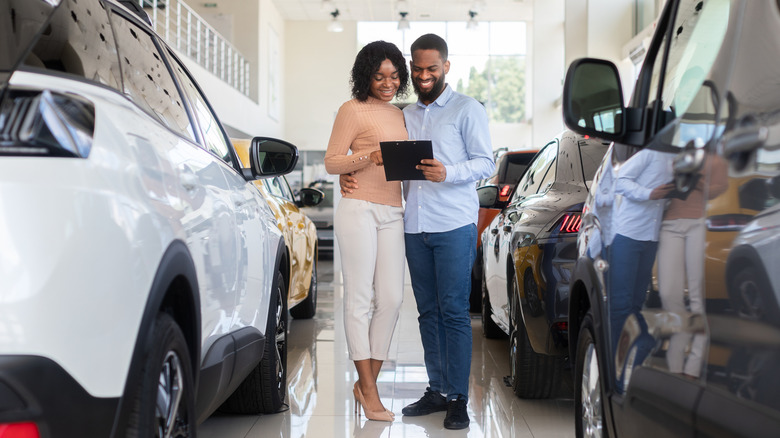
Once you have found the right car, it's time to find the right deal. Even today, most buyers prefer shopping for cars by negotiating in person at the dealership. This is very time-consuming, though, and it often doesn't guarantee you the best price. The method I recommend is to use online inventory tools from the manufacturer or third party websites like Autotrader, Cars.com, and CarGurus to locate your desired vehicle within your area.
The next step would be to contact the dealers using emails and phone calls to request a price — but not just any price. You want an itemized out-the-door price. This is critical because the discount often doesn't tell the whole story. If you have targeted a high-demand car, being flexible regarding color and features will get you a better deal. I've handled a few cases where the customer was absolutely set on a very specific trim and color combo and that really narrowed the available inventory, thus limiting their leverage. In addition to being flexible on the car's specifics, casting a wider net beyond your immediate area can often result in better pricing. Even with a long travel or transport costs, it can still be worth it to get the right price from further away.
Compare the numbers, but watch out for caveats

Once you have gathered some out-the-door quotes, you can then pitch dealers against each other to see who is willing to be more competitive. In this case, though, you want to look at the total cost in addition to the relative discount. Often, some dealers might set higher fees for processing or accessory charges, softening an otherwise-aggressive up-front discount. When shopping for certain models, there may be additional rebates directly from the automaker or additional savings for paying cash or financing. Some rebates might even be exclusive to special APR rates. You'll want to run the numbers to see if it's better to take the lower price now or give up some savings for lower interest.
Finally, while you are bound to encounter extra fees, don't get too hung up on negotiating over every dollar. Look at the big picture and keep in mind that scoring the best deal comes from understanding how the price compares to other relevant quotes. However, you'll want to be cautious of the add-ons in the finance office, such as service plans and extended warranties. These are rarely worth the additional cost, and consumers usually don't get much value out of them. Completing all of these steps is easier said than done, as you will encounter dealerships that simply won't cooperate or will try to prolong the process. But if you stay vigilant and sick to your plan, you can score a competitive deal without wasting hours in the showroom.