

Power Shifting Vs. Speed Shifting: The Pros & Cons Of Each
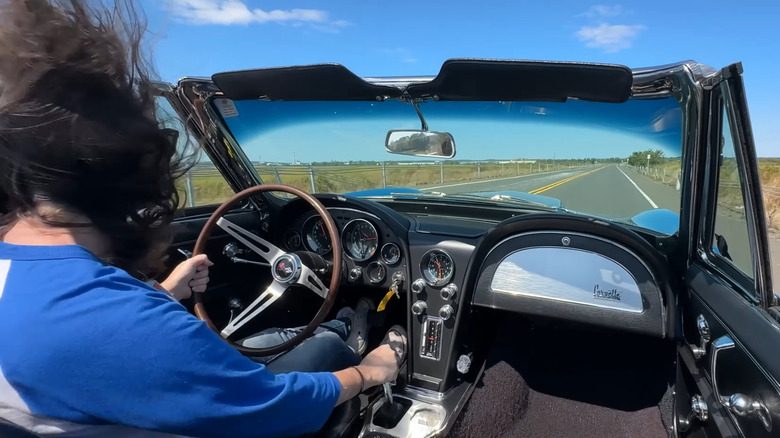
Both power shifting and speed shifting are fantastic at reducing acceleration times and breaking stuff. If all you care about is eking out the last few tenths on a run, your synchronizers, clutch, shift forks, and gears just have to suck it up.
Power shifting is when you don't bother to lift your foot off the gas between shifts. Unless you're driving a car designed to handle the abuse, it likely wasn't programmed to prevent the kind of damage that power shifting can cause. Speed shifting, on the other hand, does involve letting up on the gas (briefly), and is slightly less traumatic on your power train. If power shifting is like parachuteless skydiving into concrete, speed shifting is like parachuteless skydiving into water. They're both devastating, but one is slightly worse. To see speed shifting in action, here's Corvette legend John Heinricy behind the wheel in the performance review section from the VHS that came with 1992 Corvette ZR-1s upon purchase:
That's how Chevy clocked 0-60 mph in 4.3 seconds (and 12.9 seconds for the quarter-mile run) with the ZR-1. It's the kind of shifting that magazine test drivers love, as they get to brag (alongside manufacturers) about the car's quick times. But how hard is this kind of shifting on a car? Well, in his Carmudgeon podcast, Jason Cammisa talked about a fellow tester at Motor Trend with a brutally quick 1-2 shift. It sounded like a dual-clutch transmission in action, and the tester behind it was apparently known for bending shift forks.
Power shifting pros and cons
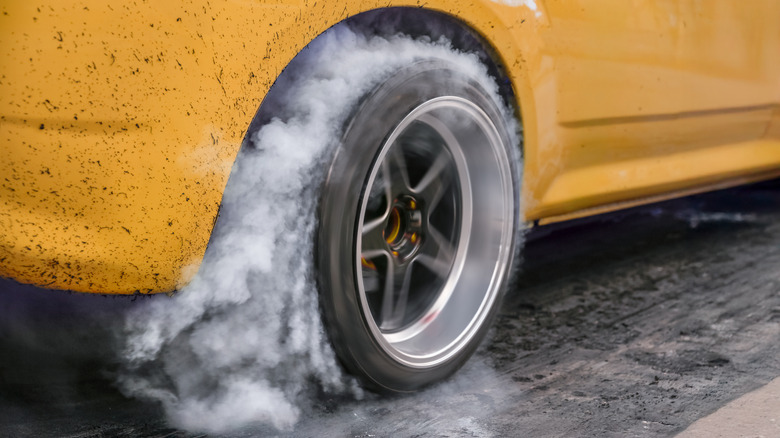
Power shifting can buy you the few precious tenths of a second that could mean the difference between drag racing victory and defeat. As long as your drive train can actually handle the stress, you might be able to unlock your car's full acceleration potential. This is especially true if you're driving a turbocharged car because your flat-footed gas pedal is keeping those turbos on boil. It's the unfortunate reality of turbocharging that we have to mitigate turbo lag and work to keep them spooled up. But as those exhaust gases stop flowing, so does boost — and in a drag race, lost boost is lost acceleration.
The downsides for power shifting do mostly have to do with the damage you can cause, but there's actually a performance-related negative, too. During power shifting, you can experience clutch kick. This is when the engine speed and transmission speed are drastically different while the clutch is disengaged. That's not really a problem on its own, but they then have to match up really quickly when the clutch reconnects. This shock in your drive train can break your tires loose, and breaking traction in the middle of a run can mean lost time or lost control.
Speaking of breaking, you shouldn't be surprised to learn that none of this is good for your transmission gears, synchros, clutch, or really anything other than your drag strip ET. The synchros and clutch in particular will get battered, as they are responsible for matching shaft speeds to each other.
Speed shifting pros and cons
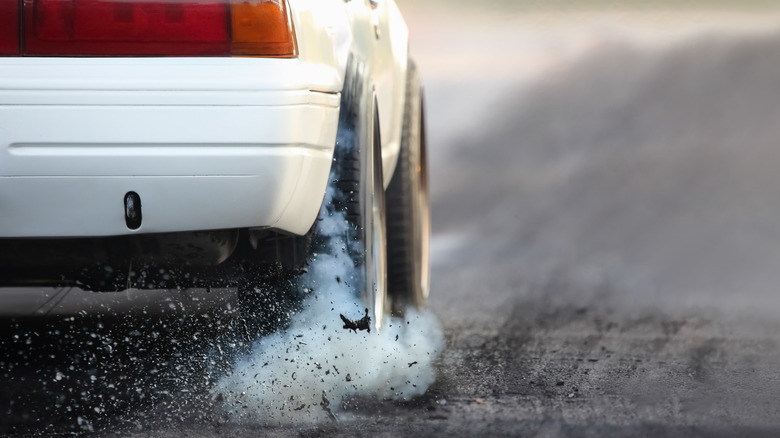
Your right foot will have a little more to do when speed shifting instead of power shifting. That brief throttle respite will give your transmission at least a little bit of a breather. It might not keep your turbocharger spinning like it would when power shifting, but there's a much lower chance of clutch kick causing your tires to lose traction during a run.
The downside is that, all things being equal, properly-executed power shifting is going to yield quicker acceleration – and you'll still be punishing your gearbox with speed shifting. The clutch may be getting less stress, but you still run the risk of bending shift forks or shifting into the wrong gear. A gear too high isn't a big deal, though it'll be an embarrassing reason to lose the race. Too low, though, and that could lead to a "money shift," which is when your low gear choice over-revs the engine and you damage the valve train or reciprocating bits.
Now, if power shifting and speed shifting aren't destructive enough for you, you can always try clutchless shifting. That's exactly what it sounds like, and it's exactly as destructive as it you think it is. If you have a dog box transmission, then clutchless shifting won't be an issue as the gearbox is designed to handle it. If you have a normal manual transmission, then clutchless shifting is a quick path to catastrophic transmission failure.