

This Is How Diesel Fuel Is Made
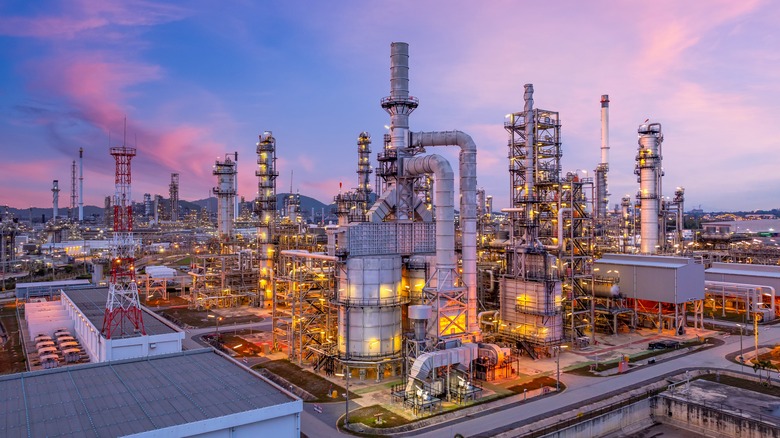
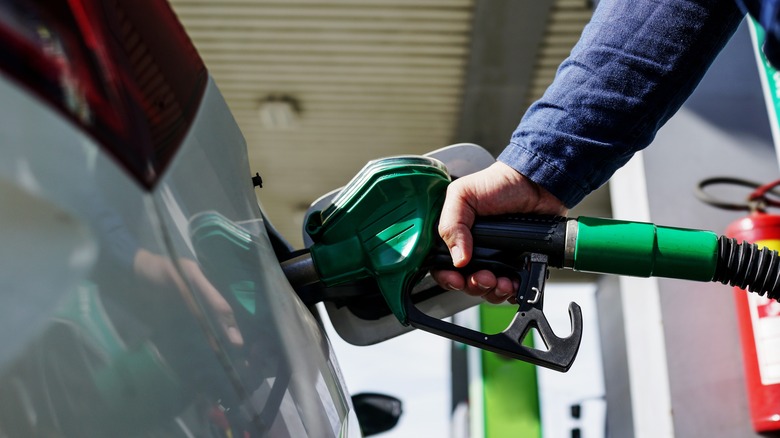
Most people pump diesel without thinking about what's in the nozzle, but the stuff has a long journey before it hits your fuel tank. Diesel doesn't magically come out from underground — it's engineered through a refining process that squeezes hydrocarbons out of crude oil, until it becomes the high-compression juice. Diesel sits in the middle-distillate range of the spectrum, heavier than gasoline but lighter than ships' bunker fuel.
It all starts with crude oil, the fossil fuel that nature slow-cooked for a few million years. After crude is extracted, it goes through fractional distillation, which heats it and separates it into layers by boiling point. Diesel has a boiling point between gasoline's and heavy oils'.
After that, it still needs hydrotreating. This process uses high temperature, pressure, and a catalyst to remove sulfur and nitrogen, producing cleaner fuel. The refined diesel may further go through fractional blending, a process that tailors diesel by mixing hydrocarbon fractions in precise proportions to meet regulations, and customer preferences, or dewaxing to reduce gelling of diesel fuel during cold weather.
Diesel can also come from biomass, animal fats, and waste oils through processes like transesterification or hydrogenation. Whether it's petroleum-based or bio-based, though, the end goal is the same: an efficient diesel fuel that can take heat and punishment.
The gear, the risks, and the weird future diesel's walking into
Making diesel isn't a backyard science experiment — it's a big, precise industrial process. Distillation columns, hydrotreaters, catalytic crackers, desulfurization units, heat exchangers, and massive furnaces all play their part. Refineries rely on precise temperature and pressure control to keep diesel fractions stable while removing sulfur, nitrogen, and metallic debris.
All that equipment exists for a reason: diesel production isn't risk-free. Refining produces emissions and generates wastewater. There's also explosion risk from high temperatures and flammable gases. Regulators like the Environmental Protection Agency enforce sulfur-reduction requirements that push diesel toward ultra-low sulfur formulations, but the industry still deals with environmental pressure (and safety demands) every day.
Then there's the elephant in the garage: EVs. Rising electric adoption has many people wondering whether diesel's on the clock. But the future's more complicated. Diesel remains essential for freight, heavy industry, agriculture, and long-haul applications. EVs aren't ready to shoulder the load, though the Tesla Semi is slowly catching up in the long-haul game. At the same time, refineries are experimenting with renewable diesel and cleaner bio-based alternatives, and diesel engine makers are, too; many Cummins engines can run on biodiesel. So diesel isn't disappearing. It's evolving.