

Is It Legal To Have Two Insurance Policies For A Single Car?

Yes, it's generally legal to have two insurance policies for a single car. It's also generally unnecessary. With more and more drivers cutting, or even dropping, their auto insurance, carrying two policies on one car is the inverse of that. You can have two insurance policies on one car, but one insurer may not be willing to insure the same vehicle twice, which means you'd have been shopping for a second company and paying two premiums. Through my professional career managing body shops, as a physical damage specialist for major insurance carriers, and now on the lender-facing side of claims, it's more common than you may believe to get your wires crossed when it comes to your car's insurance policy. Or, in this case, policies.
Folks could end up with multiple policies on one vehicle for a few reasons, such as thinking their old policy had expired and buying a new one. However, there is a very specific insurance rule you should never cross, and that is the principle of indemnification. The same protections that prevent an insurer from undervaluing your loss state that you cannot profit, or be "over-indemnified," for your loss. You should be paid nothing more, nothing less, than the actual amount of damages or loss. What does this mean, in simple terms? Recouping the full funds from a single loss against two different policies is insurance fraud. And even when it's allowed, double coverage can still be ugly, because insurance is a contract, not a buffet.
Why double coverage doesn't mean double paid
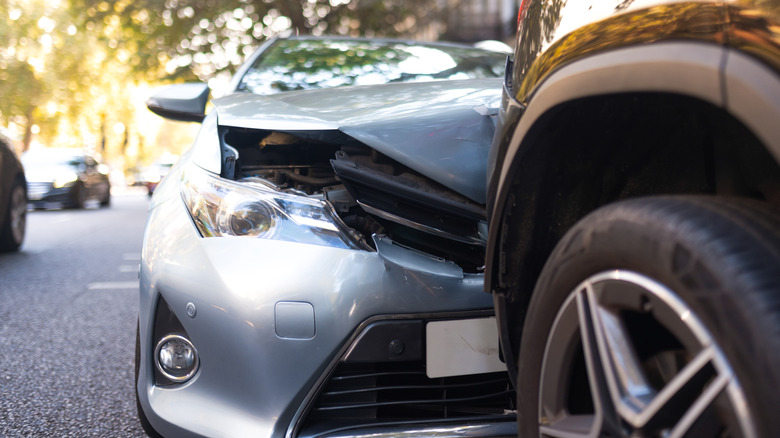
A quick twist — two policies can get involved in one wreck even if you didn't intentionally buy two policies for the same car. That's because, in general, auto insurance follows the car on the policy, and it can extend to a driver who has your permission. So if your friend borrows your car and turns it into modern art with a guardrail, your policy is usually the one that pays first. This is the difference between primary versus secondary coverage. For this example, let's say your policy's limits are reached — the friend's policy will now kick in and look to cover the rest. So although this is not exactly two policies on the same car, coverage could extend across multiple policies to one vehicle in some circumstances.
Now imagine two full policies were written on the same vehicle, which I have seen common on co-owned vehicles or couples who just never consolidated their policies into one. Suddenly you're not double protected, you're in a three-way group chat where everyone is pointing at everyone else to make the first move — it's all bad. When there is ambiguity, one insurer may look to push the burden to the other, and vice versa.
What to do instead

So we talked about why having two overlapping auto policies doesn't work. Let's talk about why people do this, and some ways to better approach it.
If your goal is more protection, there's a cleaner fix. It's boring, which is why it works. If you share or co-own a car, pick one policy and add the additional driver. If you live with a partner, adding them under one policy usually brings multi-vehicle discounts. And it keeps it to one bill to pay, not two.
If you're worried about being sued so hard your descendants feel the impact, look at higher liability limits on your existing policy — a second won't help here. If you are still losing sleep over it, there is an insurance product called an umbrella policy that provides extra liability coverage on top of your primary policy. Key word: primary. It is worth saying that an umbrella policy does not actually cover your property directly, so if you wreck your own car, it is not helping you fix it. It just protects you when the person you hit decides they want to own your soul, your house, and your collection of Lego Technic models.
If you find yourself holding two policies because you just "forgot"? Review your options between the two, and cancel one. Just make sure you don't put yourself in a bad spot by canceling one before the other starts.
If you're looking for insurance on a car you don't even own, that is a whole other ball game. Just watch out for these common problems of holding two policies on one car, and drive safely.