

How To Properly Bed Brakes (And What Happens If You Don't)
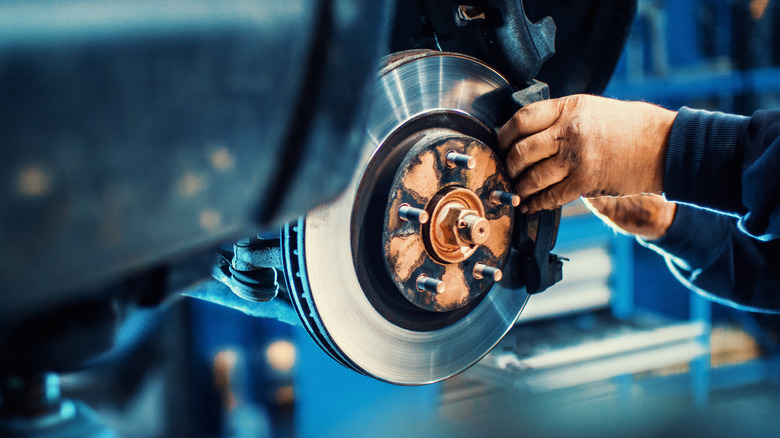
So you've just slapped in fresh pads and shiny new rotors, feeling like a driveway-mechanic champion. But hold it, the job isn't done. Not even close. Before you blast down the street, you need to bed the brakes, or that new-brake feel won't last long.
Brake bedding (sometimes called pad bedding, burnishing, or break-in) is a controlled procedure that transfers a thin, even layer of pad material onto the rotor surface. That film is what gives brakes stability and consistency. If you recently changed your brake pads or rotors, or you've observed noise and vibration after a brake job, you badly need some bedding. Without it, you get glazed brake pads, uneven pad wear, and longer stopping distances. Proper bedding reduces the problem of brake fade (aka green fade), stabilizes braking performance, and greatly prolongs brake life.
Bed braking procedures vary a lot depending on the brake rotor and pad material (ceramic or organic, semi-metallic, or low-metallic) and application (street or race). But can normal driving do the job for you? Technically, yes — eventually. It would take 100 to 300 miles of normal driving to finish the bedding process. That's slow. Just follow the recommended bedding procedure to speed up the process and ensure optimal brake performance from the start.
How to bed brakes, properly and successfully
You don't need a NASCAR pit lane to get started — a safe stretch of road with no traffic (if possible) or an empty parking lot will do. After changing to the new brake pads and rotors, do an inspection to make sure everything is mechanically sound. Then warm up the brakes by driving lightly for a while.
Begin with a series of firm, medium-pressure stops from 30 to 40 mph and slow down without coming to a complete halt. Do five or six of these. Then perform three or four hard stops with a speed of about 50 mph, again avoiding a full stop. The aim is to heat the pads and rotors enough to transfer material, not to cook them. Do a cooldown afterward, driving for five to 10 minutes at cruising speed without using the brakes. The cooldown is just as important as the heating. If the brakes feel effortless and responsive after the bedding, mission accomplished.
Common mistakes? Doing all this in traffic. Stopping totally during hard stops. Riding the brakes during the cooldown. And skipping the cooldown. Together, these form a perfect recipe for improper bedding, brake judder, and uneven curing.
After bedding, maintaining your brakes is important. Check pad wear periodically, keep rotors clean, and avoid overheating them with repeated panic stops. Bed them once, treat them decently, and your braking performance will stay consistent for the long haul.