

Should You Replace TPMS Sensors When You Replace Tires?
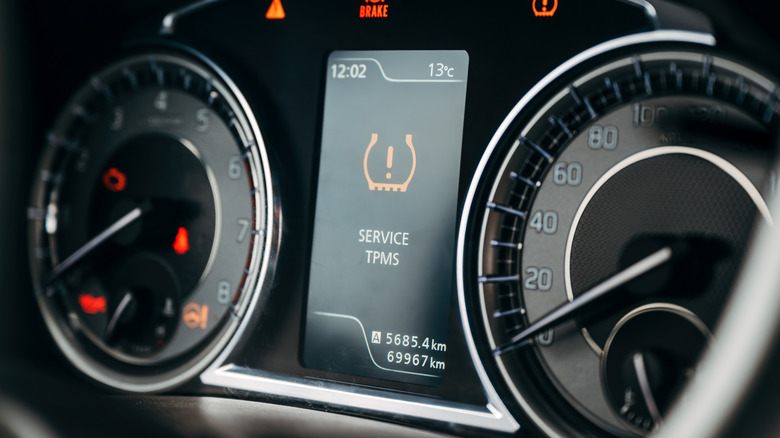
A tire pressure monitoring system (TPMS) is an auto component that helps keep you informed when tire pressure drops or rises to unsafe levels. The system works by comparing each tire to a programmed pressure threshold, and when the reading falls below that limit (usually around 25% under spec, according to NHTSA guidelines), the warning light pops on.
A TPMS warning isn't automatically a sign of sensor failure. In fact, most TPMS lights turn off as soon as all four tires (plus the spare, if monitored) are inflated to the recommended psi. A more reliable sign of a bad sensor is when the light stays on despite correct pressure. However, some cars require a relearn procedure to reset the TPMS warning light after the sensors are changed or the tires are rotated, and certain vehicle brands need a specialized activation tool to complete the relearn process.
So, should you replace TPMS sensors when installing new tires? The short answer is no, not unless one is actually failing. Tire replacement alone is not a reason to replace sensors, and there's no benefit to swapping out a set of functional units. What should be replaced are any broken sensors or those with dead batteries. And even then, only change the individual damaged sensors, not the whole set. A reputable shop will check each sensor's pressure reading and battery status during a tire repair or tire change.
TPMS variants and why TPMS matters
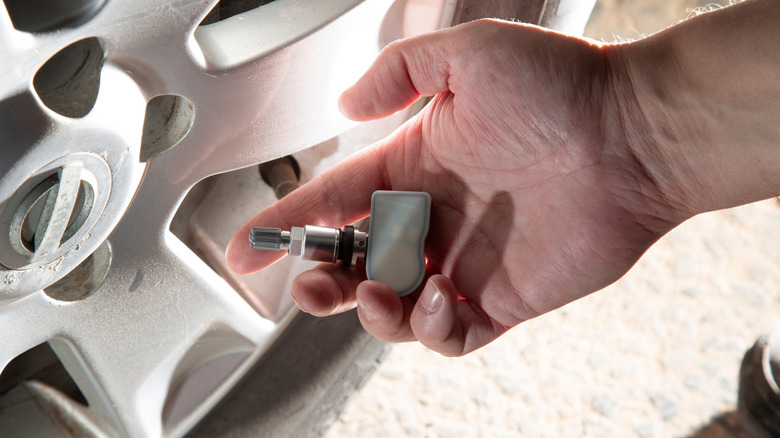
There are two types of TPMS. Direct TPMS have been used in modern cars since 2007, in compliance with the Transportation Recall Enhancement, Accountability, and Documentation (TREAD) Act. Direct TPMS work using an actual sensor that measures the pressure inside the wheel. It's usually built right into the valve stem or attached to a band strapped around the wheel. This system is more accurate but costly to maintain. The downside of direct TPMS is that the sensors are more at risk of damage during a tire job, especially the band type.
Older cars use indirect TPMS, which operate by reading wheel-speed data from the anti-lock braking system (ABS). Indirect TPMS are cheaper and need less maintenance, but these systems are not nearly as accurate or reliable as direct TPMS. Indirect systems can malfunction if a wheel-speed sensor wire gets damaged during a brake job or another form of maintenance. They also may require resetting after a tire rotation or a tire inflation.
A good TPMS is one of the systems on your car that actively protects you by giving warning before things get dangerous. Take action and inflate your tires when the system gives you that warning. When your tires are a few psi low, it can affect braking and car handling, and your risk of a blowout spikes. Experiencing a tire blowout on the highway or a flat tire in the middle of nowhere is never a good feeling. Fortunately, a reliable tire pressure monitoring system could be your lifesaver (or your forecaster) before a nasty setback happens.