

What A Clay Bar Does For Your Car (And How To Use It)
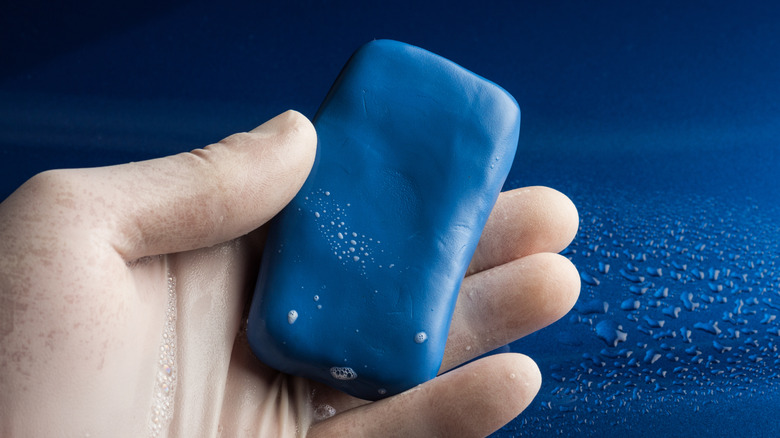
Most people think washing their car is adequate until they run a clay bar across it and hear the paint surface complain. That weird scratchy feeling? That's your clear coat admitting it's been living in filth. A clay bar is basically synthetic putty designed to grab everything your weekly wash leaves behind. Washing removes dirt sitting on the paint, but not the contaminants that bond to it; things like hard water stains, brake dust, overspray paint, tree sap, and whatever mysterious grit lands on your hood during a normal commute. These embedded contaminants latch onto clear coat hard enough and can ruin it in the long run.
Detailers often use clay bars to prep the paint for polishing, which helps waxes or ceramic coatings stick better. Clay bars can also help in preventing formation of oxidation, rust, and etch marks from contaminants like iron fallout. And of course, the biggest gain in using the clay bar is restoring dingy paintwork to its former shining beauty. You'll really feel the improvement every time you clay bar your ride.
Not all clay bars are created equal. Light-grade clay is for routine maintenance or newer cars with minor contamination. Medium-grade is for older paint that feels like sandpaper. Heavy-grade clay? That's for serious fallout, but detailing pros warn it can damage paint if you're not careful. That's gonna be another car wash horror story in the books. Leave the heavy hitting to the experts.
So how to use this clay bar?
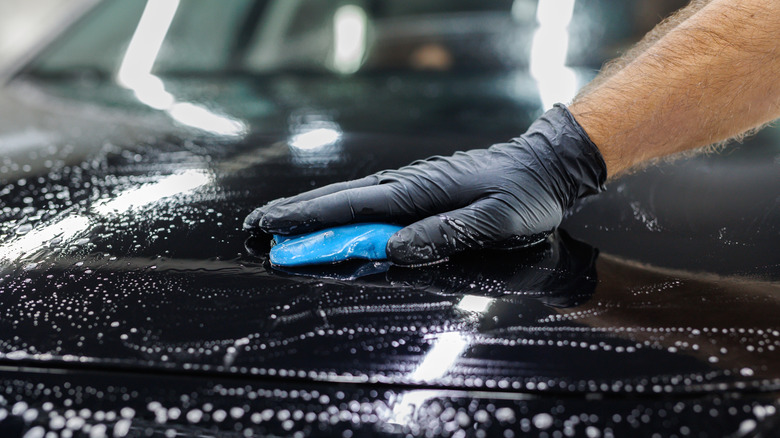
Claying is as easy as 1-2-3, but you can mess it up if you rush. Take it slow. First, prepare all materials. Clay bar (of course), detailing spray or lubricant, soft microfiber towels, and car cleaning kit. Next, give your car a full wash, using a bucket for soapy water and another to rinse off your mitt. Then, inspect the car surface. If it feels rough or bumpy, that part of the vehicle needs claying.
Now, break the clay into smaller chunks, so you're not using the whole bar at once. Knead it a bit to soften the clay. Spray the area you're working on with clay lubricant or a quick detailer so the clay glides instead of grinding the surface. Never use clay on dry paint, and be sure to apply only light pressure in straight back-and-forth motions. No swirling like you're waxing. When the clay picks up contaminants, fold it to expose a cleaner surface. You'll know it's working when the panel stops feeling gritty and starts gliding. If you hear some mild scraping at the start, don't panic. That's the clay picking up the leftovers from your car wash.
Once you've finished a panel, wipe off leftover lubricant with a microfiber towel. Take a feel if it's smooth, if not repeat. Replicate the process on the whole car. And don't skip protection afterward. Polishing, sealing, waxing, or coating the freshly cleaned surface because bare, freshly decontaminated paint is basically sticky and vulnerable.
Why washing isn't enough
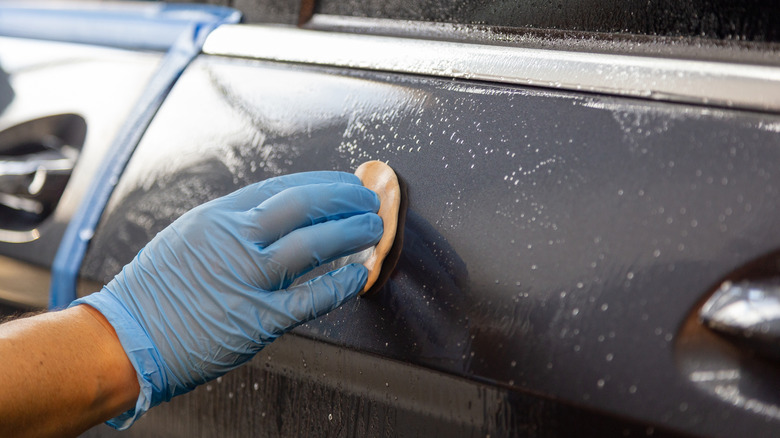
Washing is good, but washing alone is like brushing your teeth without flossing. It removes loose dirt, but the gunk bonded into the paint stays put. That's why detailers insist that clay bars matter. Contaminants burrow into the clear coat and can dull the paint over time. Frequent car washing doesn't reach that embedded debris, but clay does.
How often should you clay? Two to three times a year is suggested, but your environment (and how much you drive your vehicle) matters. If you live near the coast or near construction sites, you'll want to clay your car quarterly. Living in the suburbs? Once or twice a year will do. One easy test is the "plastic bag method," put your hand in a thin bag and glide across the paint. If it feels textured, it's claying time.
Now the big question: reuse or toss? You can reuse clay, but only if it's still clean. Once it's too dirty to fold into a fresh surface, it's done. And this rule is universal across every detailing source: If you drop the clay, it's dead. The moment it hits the ground, it becomes a tiny booby trap filled with grit. Throw it out. Bury it. Burn it. Your clear coat will thank you. Claying isn't something you do weekly, but it's the difference between your car feeling clean versus feeling like glass. And once you feel that difference, there's no going back.