

Why Diesel Fuel Is More Expensive Than Gas In The US But Not In Europe
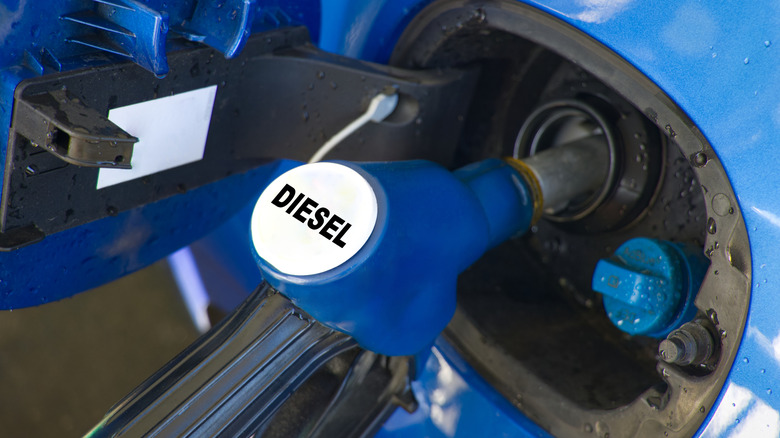
In the U.S., Diesel has mostly been more expensive than gasoline for nearly twenty years. The price gap came about as new rules for cleaner diesel took effect in 2006, as refineries had to run extra processing, use more energy, and upgrade their equipment in order to achieve the 15 ppm sulfur limit in diesel. Those that didn't upgrade had to shift to more expensive low-sulfur crude. These changes lifted the overall cost of making diesel, keeping its price higher than gasoline on a permanent basis.
Taxes are another factor. Diesel is federally taxed at a higher rate (24.3 cents per gallon) than gasoline (18.3 cents), and many states tack on their own additional fee. The reason is simple: heavy-duty trucks and buses use diesel, and those vehicles are tougher on roads. Because of that, diesel is taxed more to help pay for highway maintenance. Since taxes make up such a huge portion of the cost of fuel, this higher rate helps keep diesel more expensive at the pump. Although, lately, the idea of raising the gas tax is also back in the conversation.
Demand reinforces the gap. A barrel of crude produces far more gasoline than diesel, yet diesel is needed for things like trucking, construction, farms, generators, ships, and even home heating. When winter hits, exports surge and refinery supplies tighten. Diesel prices respond quickly, often rising faster than those of gasoline. Recent disruptions — such as the loss of Russian diesel imports — have made those spikes even sharper. And all of that isn't helped by old diesel trucks suddenly becoming more expensive.
However, these factors aren't as present in Europe. Most European states levy heavier taxes on the price of gasoline rather than diesel fuel, making diesel cheaper than gasoline.
How Europe's tax system makes diesel cheaper than gas
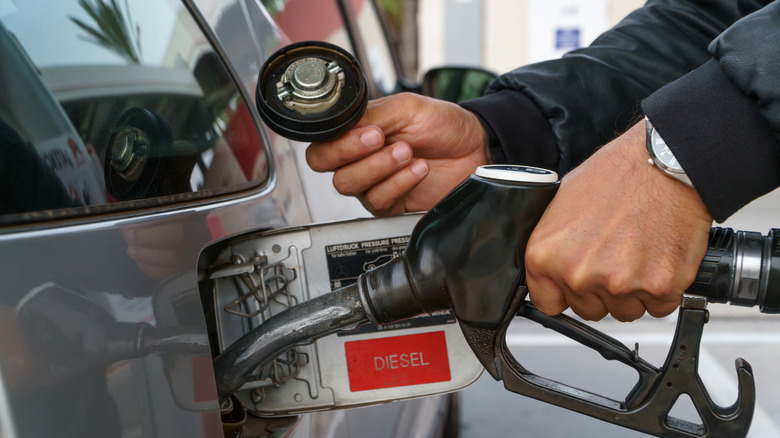
While diesel always tends to be more expensive than gas in the United States, Europe has managed to build a pricing structure that completely reverses this effect. European governments wanted to incentivize drivers and freight operators to use diesel, mainly since they burn less energy per gallon. To support that, the countries there set higher taxes on gasoline and lighter taxes on diesel, creating a long-term price gap at the consumer level.
The tax differential is pretty large. In Europe, gasoline carries an average tax of €0.548 per liter, while diesel's rate is set at around €0.445. Again, taxes account for such a large part of the final fuel price, so this lower diesel tax provides a built-in discount that doesn't exist under the American system.
The European refiners operate in a market of higher crude costs, too. Many countries rely on brent crude, which trades above U.S. West Texas Intermediate, meaning both gasoline and diesel start out more expensive than in America. Even so, Europe's tax design outweighs these factors and keeps diesel beneath gasoline in most of its countries.
How diesel and gasoline prices behave on the global market
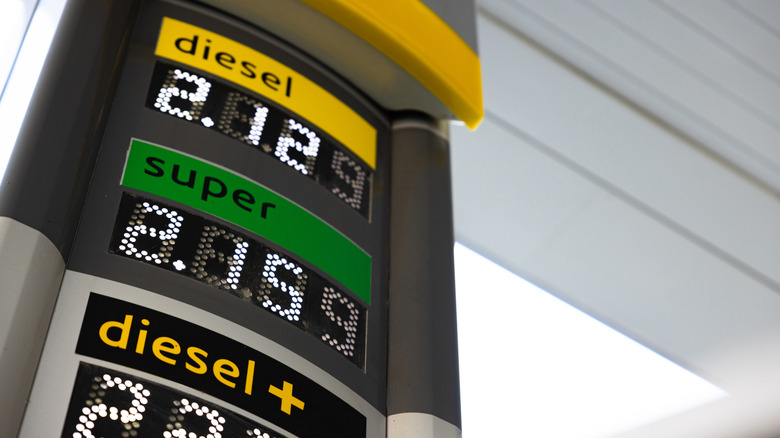
If one looks outside the U.S. and Europe, the prices of diesel and gasoline do not follow a single pattern. Of 161 countries, 84% have pricier gasoline than diesel simply because it is cheaper to refine, and many governments keep taxes lower for industries dependent upon it. That is why countries with internal focuses on freight, agriculture, and industrial growth normally shape policies that keep diesel below gasoline.
Seasonal demand swings also alter the picture. Regions dependent on heating oil, a product made from the same distillate pool as diesel, show winter spikes that rarely affect gasoline in the same way. On the other extreme, there are countries where fuel prices are dictated by political considerations rather than by forces of supply and demand. The oil-producing nations of Venezuela, Iran, and Libya can sell their gasoline and diesel by the gallon for no more than a few cents.
Meanwhile, European economies like Hong Kong and Norway have some of the highest pump prices in the world, mainly as a result of steep taxes and higher operating costs. Even though the chemistry of the fuels is the same everywhere, national policies, local demand, and country funding for local roads and industries can create price maps that look nothing alike.