

Is It Safe To Use Seat Covers On Heated Seats?
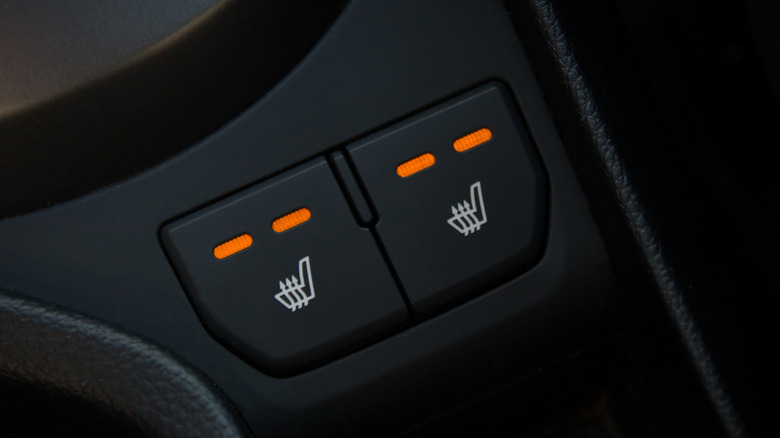
We love heated seats so much that we feel like driving will never be the same without them. Although some of our readers have figured out creative ways to use heated seats (such as keeping takeout food warm, which is indeed kind of nuts when you think about it), we reckon it's a feature worth splurging on when buying a new car — or something to look out for when purchasing a used one.
However, we're also suckers for a clean, unmolested car interior, and dirty seats are a bit of a letdown. Cleaning them takes more than just vacuuming and calling it a day. Not all of us are fond of seat covers, but they do offer more protection against spills, pet accidents, and your typical everyday wear and tear. With that in mind, is it unwise to put seat covers on heated car seats, or are there compromises to be made if we force ourselves to do so?
As it turns out, it's perfectly fine to install some covers on heated car seats. It all boils down to the choice of materials and whether the covers are rated to work on heated seats, as well as seats with airbags. To understand why, we need to take a deeper look at how car seats get warm.
How heated car seats work
Apparently, there are many ways in which OEMs apply heating to car seats. These methods range from thin "strip weave" wires embedded in the foam to heat-conducting cables that warm up the broader areas of the upper and lower seat cushions. Whatever the case, the internal resistance of the wires essentially converts electricity into heat, which then warms the cushions and the pads.
Heated seats are compatible with leather, cloth, or synthetic seat upholstery, and some premium models have adjustable temperature dials like a kitchen oven. It all sounds warm and toasty from a winter morning point of view, but inadvertently spilling water, coffee, or any liquid on your car's heated seats may damage the heating wires and cause malfunctions. An easy and cost-effective way to prevent this is to install a seat cover, but some might worry about seat covers impeding the heat from warming up their sore back and bum.
As long as the covers are not too thick to interfere with the heat flow, they'll do little to worsen the functionality of your car's heated seats. However, the seats could potentially overheat if covered with non-breathable materials, and this could lead to electrical issues or malfunctioning heating elements.
Choose only compatible seat covers for heated seats
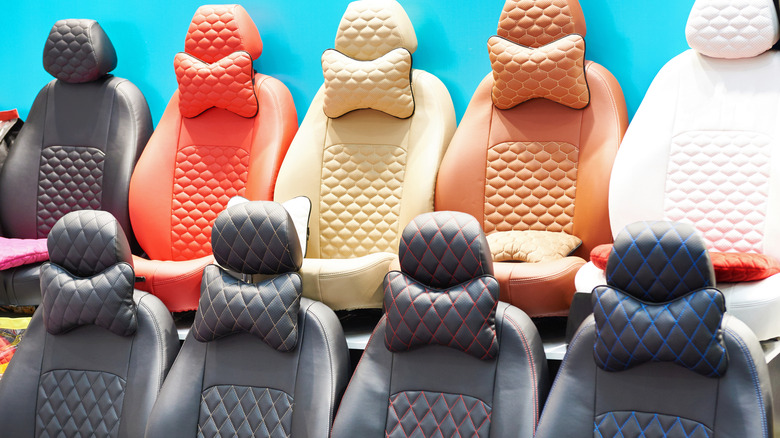
If you insist on using seat covers for heated seats, there are things to watch out for. First, seat covers made from breathable and porous fabrics are best, as they let the heat dissipate. In other words, that warmth is prevented from getting trapped to mitigate potential overheating issues. Next, the seat covers should feature a heat-resistant design that can handle high temperatures without prematurely degrading the seat cover and the seat material.
The most important part is to choose a set that's an exact fit to your car's make and model. Nothing beats the look and feel of custom-fit seat covers. They are easier to install and remove, and they won't alter the cushion's shape nor obstruct the heating elements underneath.
Regardless of how well they fit, you'll have to check if the seat covers are compatible with heated seats. Doing so ensures you hit two birds with one stone: cozy heating and added protection. Finally, make sure to remove the seat covers every now and then to vacuum and clean the original upholstery. Commercial-grade carpet cleaners are generally safe to use on fabric or vinyl seats, but leather or perforated cowhide requires dedicated cleaners to keep the material soft and supple.