

Here's What Chevy's Powertrain Warranty Actually Covers
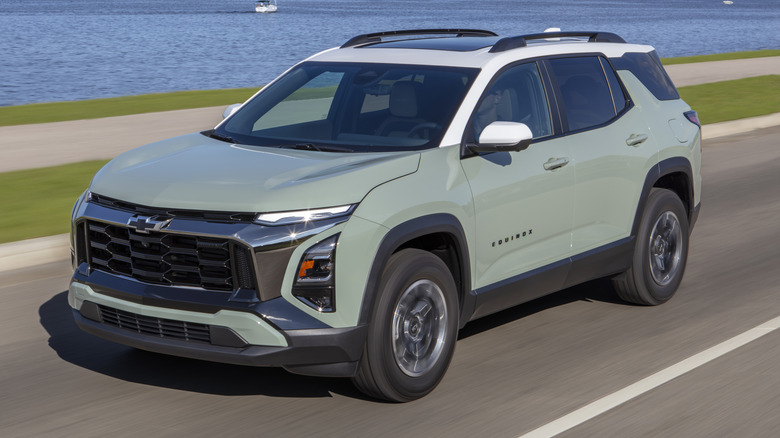
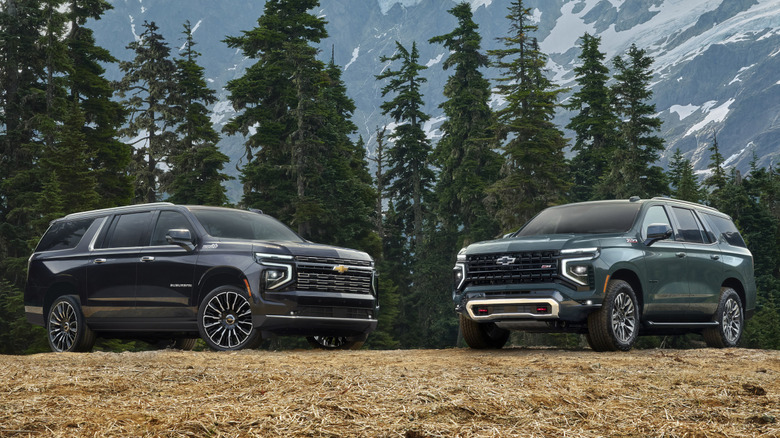
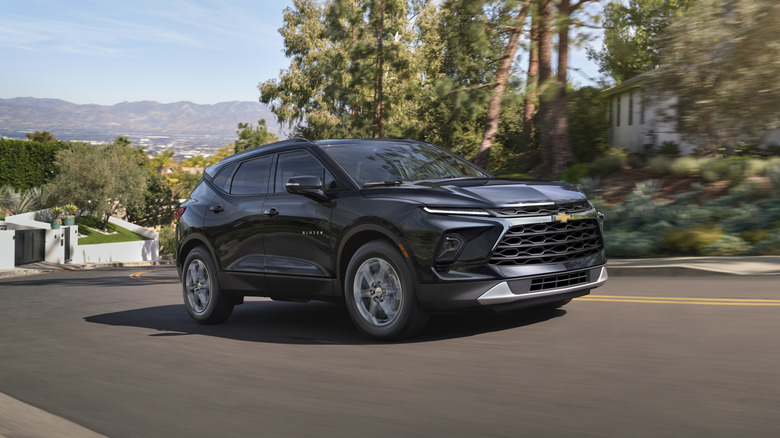
No matter whether you are after a Blazer, Equinox, or fully tricked-out Suburban with a Corvette to join it, buying a new car is an expensive day out. While automakers go to great lengths to ensure new releases are reliable, with years and thousands of miles of testing, they don't always get it right. Even the giants like Chevrolet get it wrong at times, just look at the huge number of recalls issued on GM trucks and SUVs in early 2025 after 28,000 V8 engines recieved complaints.
Not to worry, though, you don't need to wait for Chevy to issue a recall every time something plays up with your car — that's what warranty is for. There are numerous different types of warranties issued on a new car, but arguably the most important is the powertrain coverage. We've decided to pick apart Chevrolet's powertrain warranty here, to establish just how good it is. Before comparing it to other warranties on the market, and pouring through that all-important small print, let's first take a look at the basic promises the warranty looks to deliver upon.
The basics -- what's covered
When trying to unpack how valuable or useless a warranty is, many of us will first start by trawling through the small print, trying to find where the dealer is looking to catch us out. We're not suggesting that Chevrolet is trying to do that, as it happens, the warranty offered is par for the course and fairly comprehensive. Plus, Chevrolet even honors its warranty even if you track your car, but many of us do have trouble when it comes to trusting the worth of a warranty.
However, instead of starting with the fine print and details, it's best to first consider the basic promises on which the warranty looks to deliver. In the case of Chevrolet's powertrain warranty, this is clearly displayed, and the short answer is your engine, transmission, and drive systems are covered.
In more detail, this can include components such as your cylinder block and head, timing components, transfer case, constant-velocity joints, and all internally lubricated parts, among all other major mechanical components of your powertrain. Essentially, it's the bare bones of what keeps your Chevy moving.
This is how long Chevrolet will cover your powertrain for
Chevrolet's powertrain coverage is described as a limited warranty, and the limitations of it are quite clearly set out in a list of what isn't covered. In addition to clearly defined parameters of how long the warranty is applicable for. In Chevrolet's instance, the limited powertrain warranty lasts for up to 60,000 miles or five years, whichever comes first.
It should be noted that Chevrolet does state other durations are available, which refers to the automaker's extended protection plans. A quick search reveals that Chevrolet does offer an extended Powertrain, Silver, and Platinum plan, which extends those limits. The extended powertrain covers up to 96 months or 120,000 miles, while the Silver and Platinum plans extend the coverage to 96 months and 100,000 miles, and coverage extras such as suspension, steering, braking, and infotainment items. It's worth noting that extended warranties can improve your car's resale value a little, and Chevrolet confirms that the plans it offers are indeed transferable.
Pre-paid maintenance plans are also available, and while these do not affect the length or coverage of your factory provided warranty, it at least takes the stress away of ensuring the car's servicing is kept up to date. Not keeping up with recommended service intervals can easily void your warranty, so it's worth bearing this in mind when being offered packages such as pre-paid maintenance plans.
Here's what Chevrolet won't cover
In addition to highlighting a long list of example parts which are covered, a few of which we touched on above, Chevrolet is also just as transparent when it comes to items it will not cover. These are listed here: sensors, wiring, connectors, radiators, hoses, coolant, and cooling lines. In addition, it's also worth pointing out that wear and tear items are typically not covered, and neither are items that are abused either. For example, if you had purchased a manual-equipped Chevy, and then slipped the clutch each morning, noon, and night, then don't be surprised when Chevy says the bill's on you. Warranties are put in place to cover mechanical and components failure, not abuse.
Back to the excluded items, though. Chevrolet lists just seven items there which are excluded, but then does inform readers that a full list of inclusions and exclusions are available elsewhere. Now, you should always read the small print when buying a car, so we delved deeper, and established exactly what Chevrolet's powertrain warranty fine print has to say about inclusions and exclusions of the coverage.
The small print

Looking further into the terms and conditions of Chevrolet's powertrain warranty, it's possible to find a little more detail than what's previously given. For instance, while the warranty, standard or extended, is transferable from owner to owner, this doesn't apply to E-Ray or Z06 models which have been sold within the first six months. So, be mindful if you're out shopping for a nearly-new Corvette.
Other details to be found within the fine print include a longer list of excluded powertrain items, notably the in-tank fuel pump, fuel pressure lines, fuel rail, fuel regulator, injectors, and fuel return line. There's more too in relation to the transmission, with the clutch and pressure plate being added to the list of exclusions. This makes sense if you wear the clutch out, but what would happen if the clutch suffered a mechanical failure — this exclusion suggests owners would have to foot the bill.
Chevrolet also states that, for hybrid and battery-electric vehicles, gradual capacity loss of the battery pack is expected, and therefore not something that can be covered under the warranty. This sounds reasonable, but no definition is given to what determines a "gradual loss," which may leave questions lingering for EV buyers.
Here's how Chevrolet warranty stacks up to others on the market
Having looked over everything, it's quite reasonable to conclude that Chevrolet's powertrain warranty is quite comprehensive, and absolutely in-line with what you would expect from an automaker in this day and age. Sure, some questions can be raised from looking through the small print, but these questions could quite likely be answered at point of sale quite satisfactorily. In comparison to other warranty packages on the market, Chevrolet's doesn't leap out at us as one of the industry-leading levels of coverage. However, it doesn't fall short of what's expected from the brand, either.
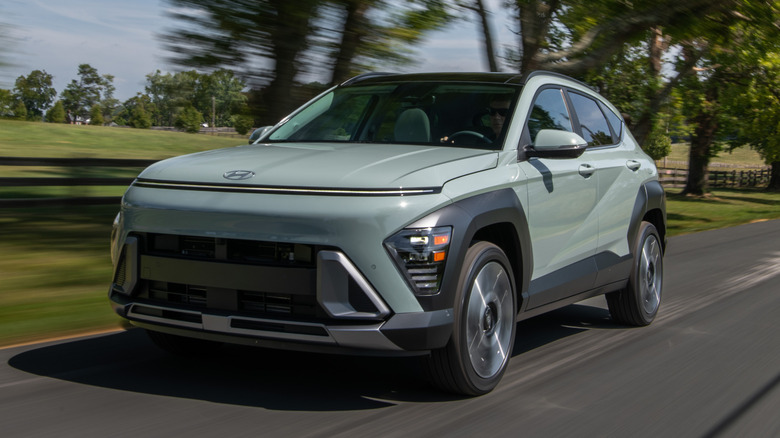
In comparison to the 10-year powertrain coverage that's available from brands like Hyundai, Genesis, Kia, and Mitsubishi, Chevrolet's package may leave customers yearning for more. Perhaps Chevrolet is able to get away with it, thanks to its already established and loyal customer base. Again, Chevy isn't cheaping out by not matching this coverage, it's simply just not going as far to impress as other brands who might need to. Extended and lifetime warranties aren't always that valuable anyway, as the terms and conditions may be more restrictive, which is why it's always important to do your research before making a decision based upon warranty and aftercare.