

Does Insurance Cover The Aftermarket Or Custom Parts On A Modified Car?
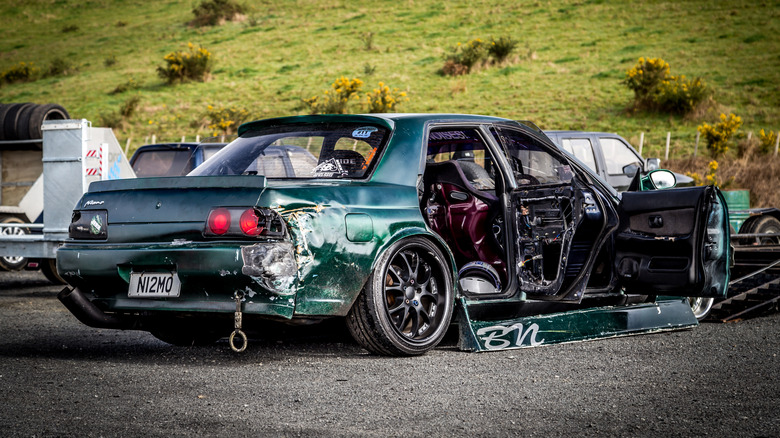
Imagine pouring your heart, soul, and wallet into building your project car and creating your dream custom ride only to watch someone sideswipe it at an intersection. Heartbreak aside, you are now in the hole not just for your car repairs but also for replacing your tricked-out custom parts. Modifying your car is a tricky business. Not only do you have to worry about common mods voiding your car's warranty, but there is also the question of what happens if you crash your car. Is it covered under insurance, or is there a specific insurance policy that'll cover your special-ordered, expensive, modified parts, as well as the car?
The cold, hard truth is that the car insurance market is designed to cater to daily runabouts, not custom creations. Also, insuring a custom or aftermarket part isn't financially viable for the insurance company, as these parts are not just expensive to buy but also require specialized care and costly repairs. A good example is a high-quality custom paint job, which, if damaged in a crash, will not just be expensive to fix, but may also require a specialized application process.
It's a risky business, as, if you fail to notify your insurer of any specific custom part in your car, they might not be covered in the event of a crash, leaving you responsible for sourcing and replacing these costly parts. Even worse, failure to notify could be considered material misrepresentation by the insurance company, allowing them to not only deny your insurance claim but also void your policy outright.
Can you insure your car's custom parts?
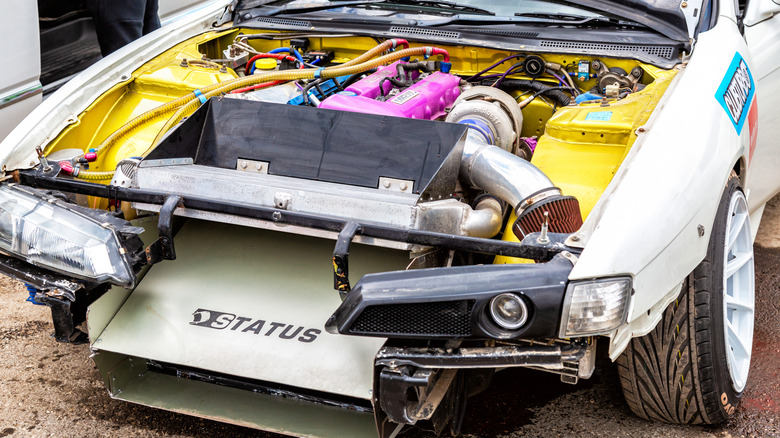
In short, yes, you can insure your car's custom parts. However, you typically won't find that coverage in your regular car insurance policy. An important reason for that is that modifying your car in any way alters not just its performance but also its value, making your car a higher risk profile. So, if your car has non-OEM parts, you can do one of two things to insure it — you can acquire a coverage endorsement or add-on, or you can go for a separate, custom car insurance policy.
While aftermarket parts are covered to a certain degree, the most common way to cover your car's custom parts is by adding a supplemental coverage endorsement, also known as custom parts and equipment coverage. This insurance coverage add-on protects your car's aftermarket parts and custom bits. While a supplemental coverage endorsement offers some modicum of safety net for your custom car parts, its biggest drawback is that it is capped at a significantly lower amount.
Depending on where you get the policy, a supplemental coverage endorsement can cover roughly $20,000, which is barely sufficient if your car is running highly specialized parts like a custom widebody kit or a high-performance crate engine. Another issue with custom parts and equipment coverage is many insurers bundle it with more expensive coverage, not with a basic insurance plan. To qualify, you may need to tick the comprehensive and collision coverage boxes in your insurance policy. However, if you have spent big money on car modifications, a custom car insurance plan may be the better bet.
Specialty cars need specialty insurance
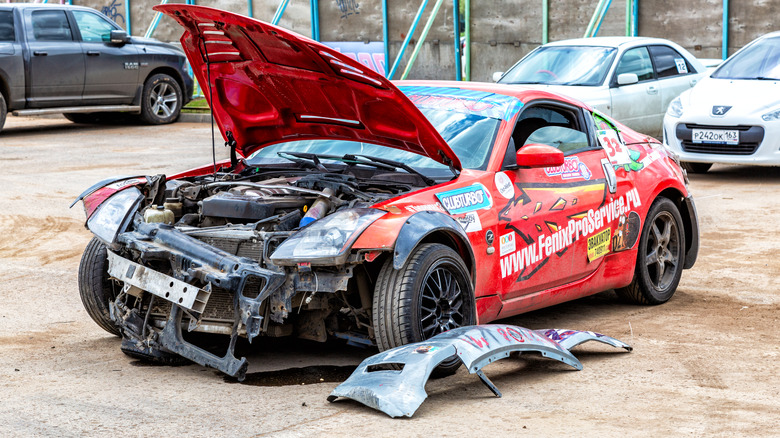
This is for the serious enthusiast who has invested major money into their car build. If you have a five-figure custom car, you could look at specialty insurers like Hagerty and J.C. Taylor, which specialize modified, custom, and classic car insurance. These types of insurance policies deal specifically with cars that have been modified from their original factory specifications and cover the new, true value of a custom vehicle. By modifications, we mean upgrades done to enhance the appearance or performance of your car. These are aesthetic, performance, handling, and interior modifications, which regular insurers avoid for specific reasons.
Aesthetic modifications include custom paint jobs, decals, body kits, spoilers, and underbody lights. Regular insurers avoid them as they are expensive to repair and make the car a theft magnet. Performance modifications include engine upgrades like stroker kits, turbochargers, and custom exhausts. Handling modifications include performance suspension components and upgraded braking systems. They are often considered risky because performance mods make the cars more powerful and faster, increasing the risk of an accident. The same goes for suspension and steering mods, as they alter the dynamics of your car, which can affect its stability and handling. Interior upgrades include racing seats, roll cages, custom audio systems, and even navigation systems.
Interestingly, some modifications can get you an insurance discount. These include alarms, security systems, or trackers that enhance your car's safety. However, these need to be disclosed to the insurer as well. As a rule of thumb, any modification made to your car needs to be disclosed to your insurer. Also remember, insurance rates differ according to states. These are the most and least expensive states to insure a car.
Actual cash value vs. agreed value
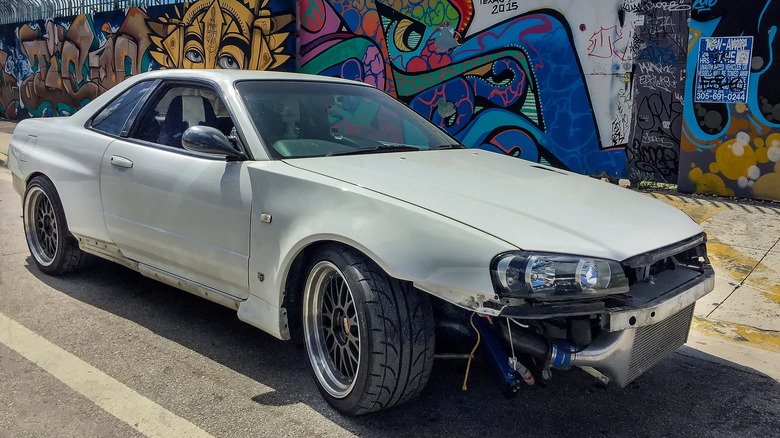
With car insurance policies, you can choose between actual cash value (ACV) or agreed value. ACV is the replacement value of a car, minus depreciation. ACV is the accepted industry standard that almost all insurance companies abide by. The biggest problem with this type of insurance is depreciation. Your car depreciates, or loses value, as soon as you leave the dealer's lot. For example, if you bought a car for $40,000, its ACV after five years will be significantly lower than when you bought it new.
For a custom or classic car owner, ACV is a financial disaster. It does not account for the fact that your custom car might hold its value better than a stock car, or, thanks to the modifications, even appreciate. So, even if your policy covers custom parts, it is covered under a depreciation schedule, which often means you get pennies for your expensive aftermarket build. In a nutshell, an ACV policy releases payout based on the car's depreciated value without any consideration for your modifications.
If you have a custom car, the best way to tackle this is to go with an agreed value policy. It's the value of your car that both you and the insurer agree to at the time of policy purchase. It's the ideal policy for modified, custom, or classic cars, as the value does not decline with the car's age — in the event that the car is totaled, you get the agreed value. Of course, getting to the agreed value is a task. To determine the car's value, you may need to submit an appraisal, the car's history, and even its current condition, and you'll likely pay higher premiums.
What if your car is a total loss?
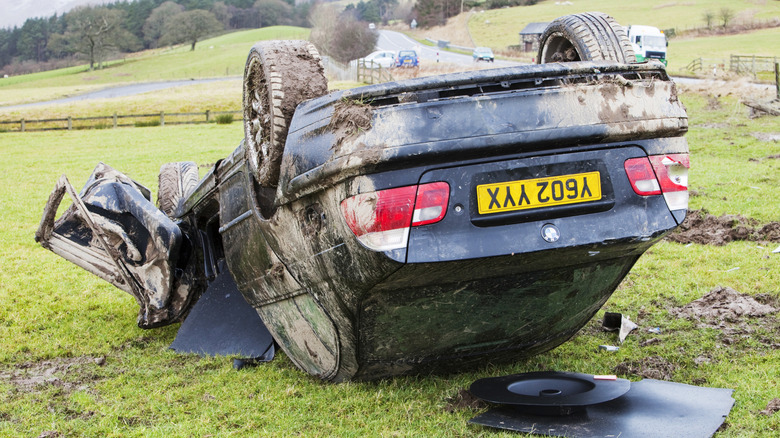
A damaged car is considered a total loss if it can't be safely repaired or if the repair costs exceed the vehicle's ACV or resale market value. In this case, the insurer would write it off as a total loss and, under ACV, offer you the car's fair market value before the crash. Depending on the state, insurers are obligated to declare the vehicle a total loss if the damage exceeds a certain percentage.
That's quite a setback if you have a custom car, as the market value does not account for your expensive modified parts. If you are lucky, the claims specialist may allow you to remove your aftermarket parts from the wreck. However, this may result in the final settlement being adjusted to reflect the car's now incomplete condition. You do have the option to buy back the salvage, which gives you access to your custom parts — even totaled cars with a salvage title can be a great deal. However, that's in stark contrast to an agreed value plan, which protects your initial investment and, in the case of a total loss, pays out the value agreed upon at the start of the policy.
Do not rely on a base policy if the value of your modifications exceeds the limits of the supplemental coverage endorsement. Instead, opt for a specialized plan that specifically deals with modified, custom, or classic cars. Disclose every modification to your insurer, from a tuning chip to upholstery. Settle on an agreed value with the appraisal specialist, and get every promise and commitment in writing. Lastly, document evidence of your modifications. Having receipts and photographs helps during the appraisal process and with future claims.