

Hawaii Is Cracking Down On Loud Cars With Noise Cameras
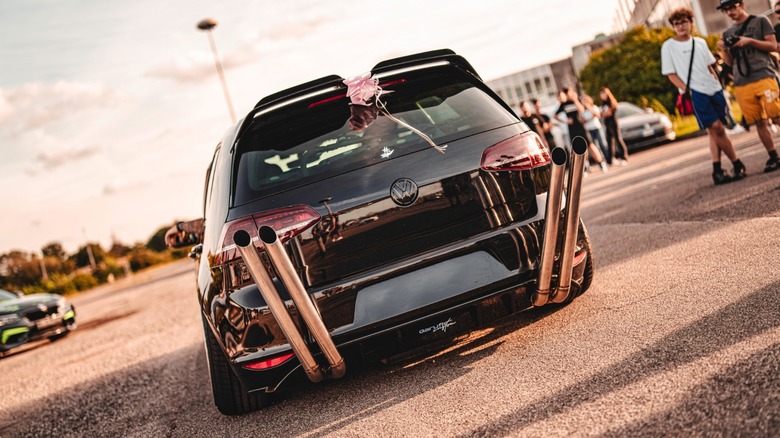
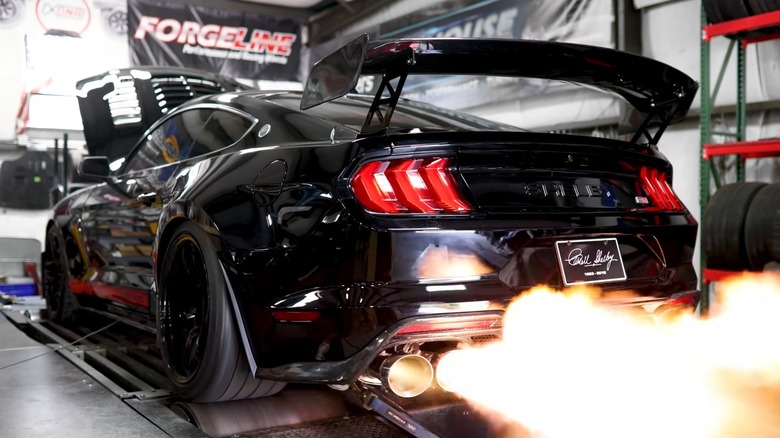
It turns out the Aloha State isn't too keen on exhaust system modifications. Despite having multiple laws on the books prohibiting residents from altering stock vehicle pipes or mufflers for the purpose of making them louder, complaints from Oahu residents continue to pour in. So, the Hawaii Department of Transportation (HDOT) recently upped the ante with plans to install acoustic cameras at select locations. Of course, it isn't just retired busybodies or car culture haters that detest the audible cacophony emitted from some modified cars — even enthusiasts cringe when they hear a cheap exhaust that sounds like garbage. Fortunately for those affected, these noise detection devices are part of a two-year pilot program, which won't ticket any offenders (for now).
Officials are using the noise complaints to zero in on specific areas of Oahu. The state has already installed acoustic cameras at the H-3 highway at Halekou, where it intersects with the Kamehameha Highway, and at Ala Moana Boulevard, close to Kalia Road. However, an additional eight cameras, covering areas in the central and southern parts of the island, are planned to go up by early 2026.
What's considered loud, and how do these Hawaiian noise camera's work?
According to Noise Awareness, humans exposed to extended periods of noise as low as 70 decibels can suffer lasting damage to their hearing. For context, running a typical vacuum cleaner can create around 75 decibels of noise. City traffic produces approximately 85 decibels, which can certainly be felt near a popular place like Waikiki Beach on Oahu. This area, which already has a noise camera installed nearby, is one of the most visited beaches worldwide with an annual 4 million tourists, according to Go Hawaii.
While the designs of these acoustic camera systems can vary, they all include a microphone for measuring sound levels. Hawaii's acoustic cameras are set to take note of noise above 90 decibels, which is slightly louder than the 85-decibel limit imposed by New York's traffic noise cameras. When a car exceeds that 90-decibel threshold, the system activates a camera to capture the vehicle in question. These images then give officials helpful information about the make and model of the noise offender. Unfortunately for fans of premium aftermarket high-performance exhaust systems and inexpensive glasspacks alike, the data these cameras capture will be used to form future legislation on vehicle noise.
What's the penalty for breaking existing Hawaiian noise laws, and is car cruising to blame?
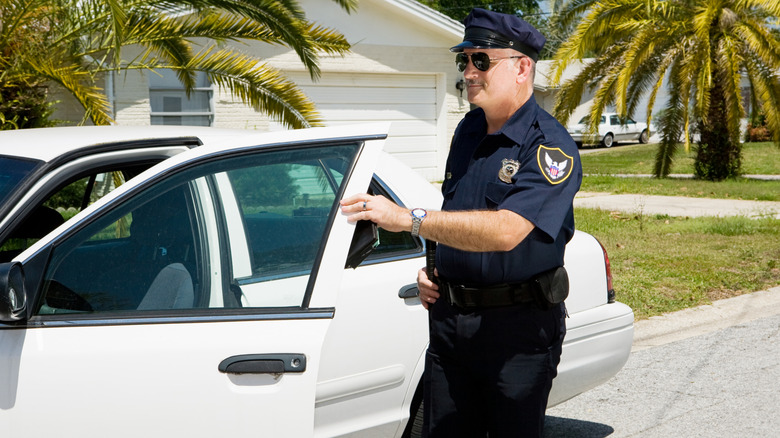
Hawaii is hardly the only place cracking down on aftermarket add-ons, and various other U.S. states have strict vehicle modification laws that could get you fined. In terms of modification laws already in effect for Hawaiian drivers, the penalties can be stiff and get progressively worse. For example, according to Hawaii's 291-24.5 motor vehicle muffler regulation, if you're caught swapping out stock equipment for something much louder, you could receive a fine of up to $100. If you get stopped again within three years for the same offense, the state can demand as much as $300. If within five years of any previous offenses you're still sporting that loud, modified muffler, you could be forced to pay up to $900.
The noise issue may stem from the automotive pastime of cruising. As Bob Finley, chair of the Waikiki Neighborhood Board explained to KHON 2 News, "We've developed a group of people who love to put aftermarket mufflers on their vehicles and roar up and down the street." Of course, there is a difference between car cruising, which is generally more leisurely, and illegal street racing, which can be dangerous. Regardless, those with loud modifications may want to stay away from the most populated areas on the Hawaiian island of Oahu.