

Are Highway Miles Really Any Better For Your Car?

Think of "highway mileage" versus "city mileage" this way: Is a 40-year-old who smokes, eats only cheese, and has never showered in better health than a 60-year-old who rides his bike to buy fresh veggies from the farmer's market every day? There you go. How you care for your car (or your body) determines what it looks like in 10 years. Highway miles put less strain on your vehicle, so comparing, say, a car with 50,000 city miles to one with 100,000 highway miles might surprise someone just looking at the numbers. The vehicle living its life sedately cruising the highway will likely be in better shape.
But this article is longer than a single paragraph, and that's because we now have to go beyond the "what" and delve into the "why" of highway and city mileage, like Simon Sinek 15 years ago explaining the reason Apple had great ads. Let's begin with the most obvious aspect of the comparison. When you're cruising along on the highway, yes, you're racking up miles quickly. If you drive 70 or above, that's more than a mile a minute. But the amount of power required to maintain that speed is hilariously low.
When we asked our readers how much horsepower you really need, the lowest response was "90." The thing is, you only need about 40 hp to maintain 70 mph. Where power comes in handy is during acceleration, and that's where the strain on the engine, clutch, transmission, differential, and the rest of the drivetrain comes into play. When driving in a city, you route torque loads through the drive wheels every time you pull away from a stop. For highway driving, you only have to get up to speed once.
Getting all Sherlock Holmes on mileage and condition
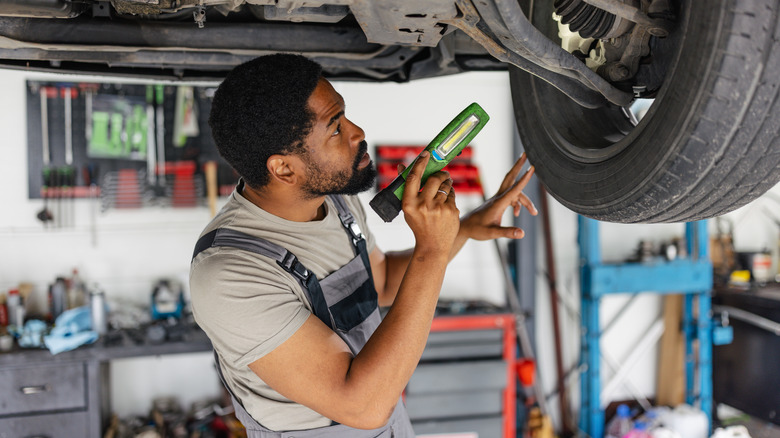
So how can you tell a car has highway miles versus city miles? Well, the game is afoot, my dear car shopper. Simply break out your magnifying glass, pipe, and deerstalker hat so we can start our investigation. First, look at the car's age versus its mileage. If it's only a few years old, yet has 75,000 miles, those miles likely accumulated on the highway. Also, consider where you're buying the car. Is there a big city around, or nothing but long stretches of uninterrupted road?
Next, examine the car's condition. In a city, you're likely to find potholes, tight turns with curbs, and confined streets with plenty of opportunities for low-speed collisions. A car with curb rash, dents, dings, and scrapes likely lived in a city. Also, all that stopping and starting takes its toll on the brakes. If the pads and rotors are more worn than age or mileage should indicate, or if the Carfax and shop receipts show a high number of brake jobs, that's a clue the car has led a rough city life.
You can then go the extra mile and have a pre-purchase inspection done on the car (always a good idea anyway). Have your mechanic check the fluids. If the transmission or differential fluid is dark and thick with metal shavings throughout, the gears may have endured lots of aggressive starts. Suspension components and tires may also have increased wear from a city's rougher roads.
It's not the years, it's the mileage (and idling, and maintenance, and driving conditions)
There's a reason airplanes measure "engine hours" instead of miles. Airplanes don't follow set roads (though they do have flight paths), and it's pretty much impossible to track the actual miles a plane has traveled. So determing how long an airplane's engine has run is a much better gauge of assessing when it will need service. Unless you're driving a Vector W8, however, you're not going to have a Hobbs meter in your car to track this. If you did, you could easily compare engine hours to miles, and that would be a dead simple way to assess "highway mileage" for a car.
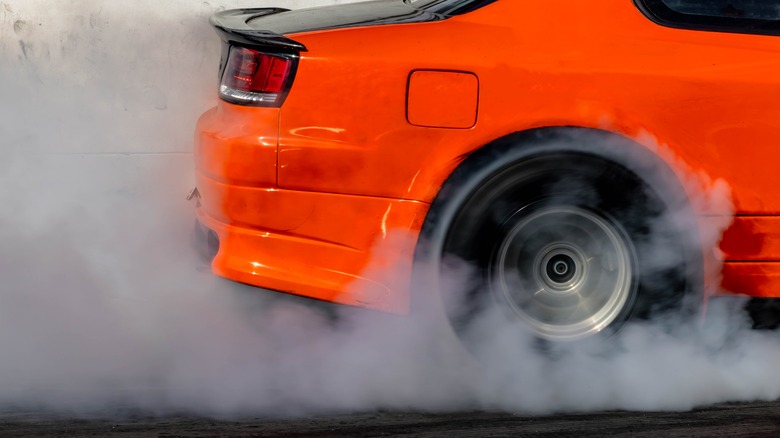
Shoppers looking at former cop cars should just assume those cars have spent much of their lives idling. In fact, some police precincts perform maintenance based on hours rather than miles for this exact reason. Ford even states that an hour of police use for a car is the same as 33 miles of driving for a regular civilian vehicle. Also remember that all that idling still takes its toll on ancillary systems beyond just the engine, such as the air-conditioning compressor and alternator. So,before you plunk down around $9,000 for that 2011 Chevy Caprice PPV to get a sweet, cheap 6.0-liter V8 burnout machine, maybe kick the tires first.
Oh, and if you think you'll escape the "highway miles versus city miles" conundrum by getting your vintage dream car in garage-stored sub-500-mile condition, low-mileage old cars come with their own share of problems. Dry rot, cracking rubber, seized brakes, a dead battery, thickened oil, and gummy gasoline may mean you have some restoration in your future.