

How Does Head Gasket Sealer Actually Work?
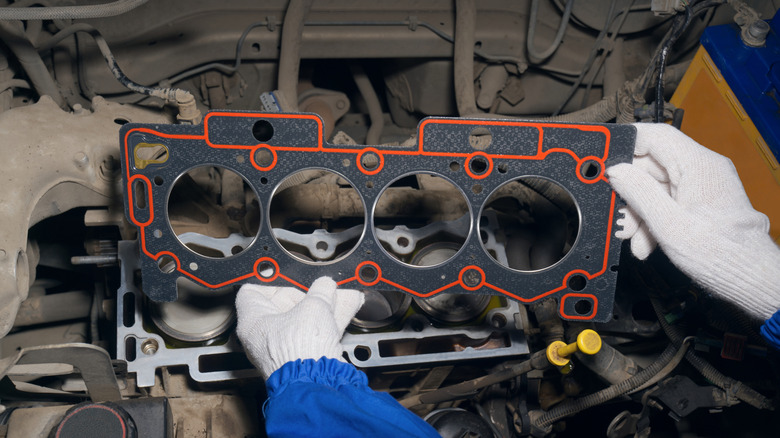
A head gasket leak is a serious engine issue, one that needs a major and expensive fix. However, you might have heard of gasket sealant, a liquid that promises to seal gasket leaks. Is it a miracle cure or just another case of snake oil like engine oil additives? In short, the answer is yes. Head gasket sealers can plug tiny holes and restore your engine's compression. However, it is a temporary fix, and eventually, you will have to take your car to a professional to have it properly fixed. Before we go further, let's know more about head gaskets.
A head gasket might look like a thin sheet of metal, but it is an important part of an engine. A head gasket can be made of copper with sealers, elastomers, or composites. However, the most common ones are multi-layer steel gaskets. Some mechanics even use RTVs instead of regular gaskets. A head gasket sits between the engine cylinder block and cylinder head and has a critical job of sealing the space between them. This is done to retain engine cylinder compression by offering an airtight seal. A head gasket also prevents engine oil and coolant from leaking, besides keeping them from mixing together. Over time, though, head gaskets can fail, and that's when engine troubles start.
What happens when head gaskets fail?

Head gaskets can fail due to a few reasons. A common one is the engine overheating. Excessive heat can warp the gasket material, leading to leaks. Another one is high pressure inside the engine that can weaken the gasket's structural integrity. Over time, these factors cause the gasket to fail.
A damaged head gasket will cause loss of compression, leading to power loss. Your engine will sound rough. Coolant and engine oil channels will be compromised, leading the two to mix. Contaminated coolant will lose its cooling properties, while engine oil will lose its lubricating properties. White smoke from your exhaust could be an indicator of a blown head gasket. In short, you are looking at catastrophic engine failure, which in some cases means warped cylinder heads or even cracked engine blocks. An immediate fix is required. An engine gasket replacement is an expensive repair and can set you back around $1,500. A bottle of sealer will cost you less than $75, and you don't even have to disassemble the engine for it.
The head gasket sealer comes in a liquid form and is poured into the engine through the radiator or coolant reservoir. The sealant works its way up the engine and plugs tiny holes in your head gasket by solidifying and bonding to the engine's inside walls and passage surfaces as the engine heats up.
Are head gasket sealants recommended?
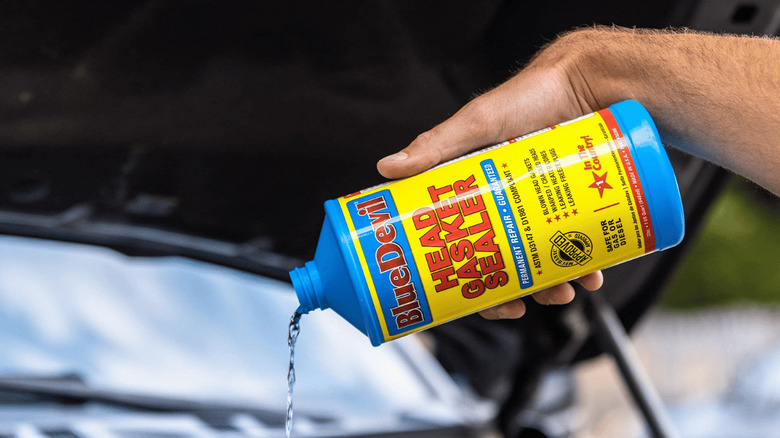
Head gasket sealants are a temporary fix at best. It works best at taking care of small leaks; however, for larger leaks, a head gasket sealer will offer short-term relief, with head gasket replacement being the permanent solution. There are advantages and disadvantages associated with using head gasket sealants.
For starters, it is the most cost-effective solution to repair a head gasket leak, especially if it is a small leak. It is convenient and a quick fix, as you do not have to open up the engine to fix the leak. In fact, it is so easy that you can do it yourself.
The most common disadvantage is that it is a temporary solution. It does not work with warped or blown gaskets. Replacing the engine gasket is inevitable, especially if the leak is a major one. Gasket sealants work best with tiny holes. It also poses the risk of clogging narrower coolant passages. This could reduce the flow of coolant, leading to the engine overheating and further aggravating the problem.