

Department Of Defense Wants Ford And GM To Make Drones
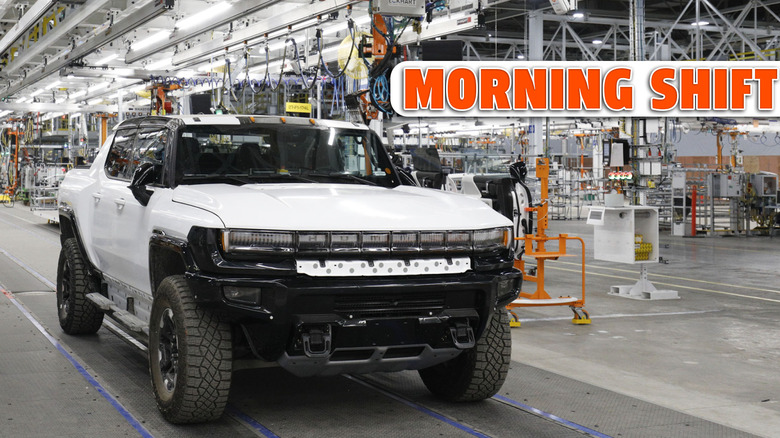
Happy Tuesday! It's November 24, 2026, and this is The Morning Shift — your daily roundup of the top automotive headlines from around the world, in one place. This is where you'll find the most important stories that are shaping the way Americans drive and get around.
In this morning's edition we're looking at the Department of Defense getting GM and Ford into the drone business, and Tesla pushing its driver assistance on the elderly. We'll also look at Volkswagen's battle against its workers, and Ineos moving stateside.
If you'd like a recap of the latest auto news sent to your inbox each weekday, you can sign up for Jalopnik's free Morning Shift newsletter here.
1st Gear: The DoD wants to bend Ford and GM's supply chains towards mass production of drones
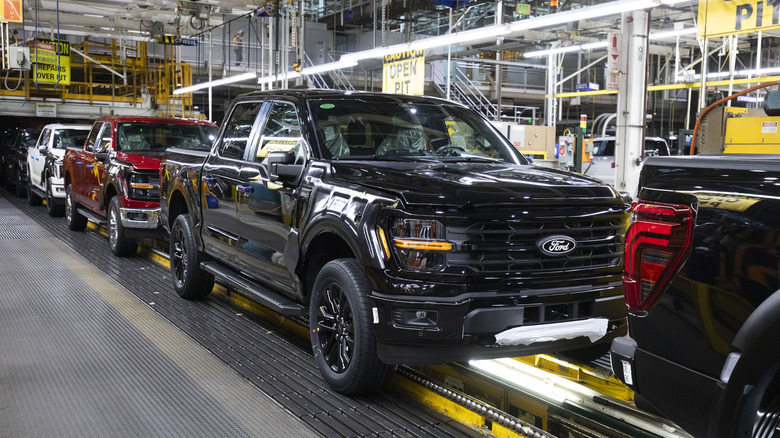
Under the Trump administration, the United States government has shifted from a focus on soft power — international aid, alliances, things of that nature — to focusing entirely on hard military power. Gone are the days of USAID, now is the era of massing drones. Only, there's a problem: U.S. drone makers can't actually make enough to keep up with Department of Defense orders. Thus, a new push from the Pentagon, to get automakers into the drone business. From the Wall Street Journal:
The Pentagon is in talks with General Motors and other manufacturers to help mass produce drones, according to people familiar with the matter, the latest effort by the U.S. military to enlist the car industry's sprawling assembly lines to increase production of critical munitions and equipment.
...
Under a deal, auto companies would supply parts to drone companies, the people said.
Among the scenarios: GM is weighing whether to manufacture drone motors, albeit closer in size to something that would power a riding lawn mower than a car. Defense officials have met with leaders at Ford Motor, Canadian parts giant Magna International and other manufacturing companies, including outside the auto industry.
Responses from automakers around drone building have been "mixed," according to the WSJ, but we live in an era where the President can hand-pick who runs companies in spite of all manner of allegations. Do we really think any U.S.-based company in its right mind would say no to such a man? Maybe an automaker could stall until the new legislative session in January, but that doesn't remove Trump from power.
2nd Gear: Tesla wants aging drivers to use FSD instead of their senses
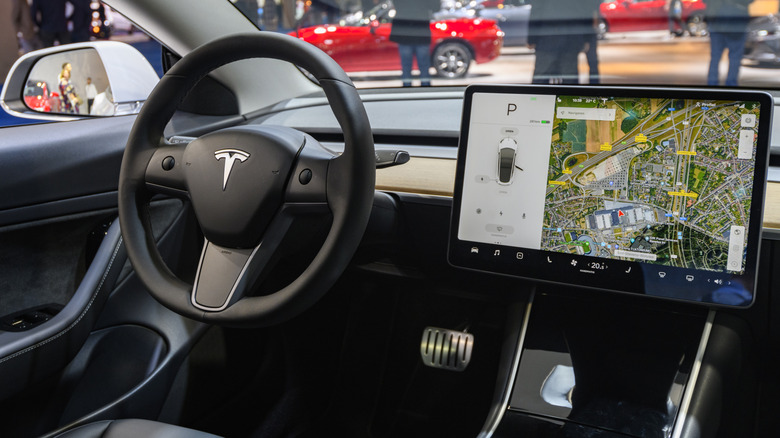
Tesla doesn't so much care about selling its cars as it does selling its software these days, and the company seems to have its sights set on a new frontier of driver-assistance software: The elderly. If you're wondering what happens when you combine technology that lulls drivers into a false sense of security with drivers whose reflexes and powers of perception are failing them, well, we're about to find out. From Bloomberg:
Tesla warns consumers that FSD requires drivers to pay attention and be prepared to take immediate action at all times. It acknowledges none of its driver-assistance features make Teslas autonomous. And yet the company is increasingly promoting the merits of the system to seniors, further muddling the already complex question of when the moment has come for older drivers to give up their car keys.
Experts say the technology's limitations may actually raise risks for the elderly. The pitfalls of aging, including changes in vision, loss of physical mobility and slower reflexes, can impair an older driver's ability to safely take control when needed.
The core issue here is a thorny one. On the one hand, seniors still need to get around — grocery delivery isn't always an option on a fixed income, and socializing staves off dementia. On the other hand, people whose faculties are decaying probably shouldn't be controlling thousands of pounds of metal that hurtle through our roads, especially with software that only demands occasional-yet-immediate engagement rather than constant attention. The answer is buses, but no one wants to talk about that.
3rd Gear: Volkswagen workers are protesting the company's cuts, saying its future is at risk
Volkswagen, one of the world's largest carmakers, thinks it's too big. To compete with lower-cost competitors from China, the company is trying to scale back its own costs — by cutting production and people. Those people are, understandably, not super psyched about these decisions. From Reuters:
EMDEN, Germany, Nov 24 (Reuters) – Volkswagen began crunch wage talks with labour representatives on Tuesday amid mounting worker anger over deep cost cuts, with protesters carrying black coffins to symbolise what they said was the death of trust and the company's future prospects.
...
The first round of talks takes place in the northern German town of Emden, home to one of the factories fighting for survival, where around 4,000 workers protested before representatives of the IG Metall union ad the automaker's works council met Volkswagen management.
"If necessary, there will also be industrial action of a kind never before seen at Volkswagen," works council head Daniela Cavallo told workers chanting "strike-ready" and carrying black coffins inscribed with the words "future" and "trust".
When your workers start carrying coffins around to show the long-term costs of your short-sighted decision making, it's probably worth listening to them. Volkswagen's idea to cut its staff and production capacity to the bone is the sort of move that works on a spreadsheet, but realistically hampers the company's ability to be agile in a market that's seen constant changes from shifting international regulations and new competitors. Essentially, the company is looking to specialize in doing things in a way that works right now, with the hope that the current circumstances never change.
4th Gear: Ineos wants to be American
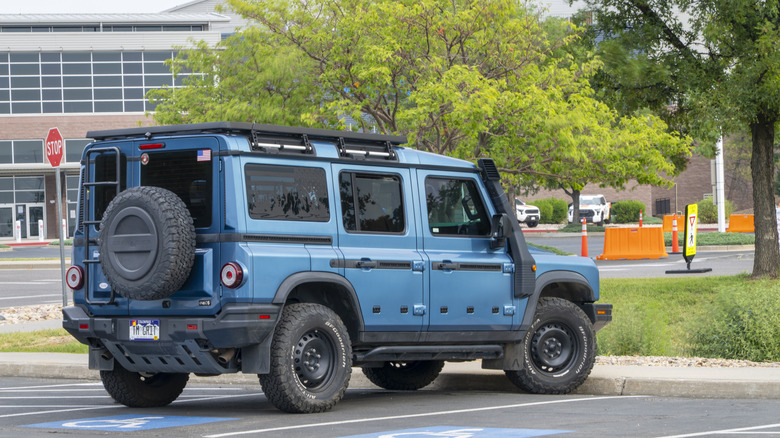
Ineos, a company I occasionally remember exists and is real, wants to sell in the U.S. without tariffs. To do so, it's looking to start production on our shores, and it's going to make the numbers work by getting rid of one of its European factories — specifically, by selling a French factory to BYD. From Automotive News:
Ineos Automotive, hampered by President Donald Trump's import tariffs, is ready to build in the U.S.
The small British automaker said it has identified a short list of U.S. sites where it plans to produce pickups and SUVs. At the same time the company, in a major pivot, plans to sell its French assembly plant to Chinese automaker BYD.
The two moves would have major repercussions on both sides of the Atlantic Ocean: Ineos would gain a manufacturing footprint in the country where it generates 70 percent of its global sales, and BYD would collect another European plant.
This is the kind of knock-on effect that's hard to predict when you institute tariffs. Sure, production of the Ineos Grenadier expands into the U.S., and that plays well with the UAW folks from whom Trump wants votes, it also enables a further BYD foothold in Europe, though, emboldening a Chinese competitor that Trump would rather see quashed.
Reverse: Diversity win!
This bastion of legalized slavery is for women!
The Fuel Up
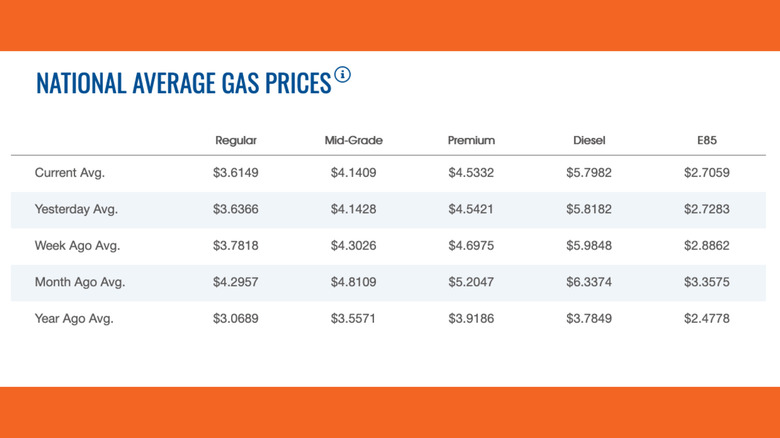
God only knows what the hell is happening with the economy now. Gas prices were skyrocketing, and now nothing's all that different but the prices are plummeting. Stocks were bad when Jensen Huang had affairs, but now he's back in the job that enabled all the affairs and the stocks are good, but later today they're set to be bad again. Anyone who says they can predict anything is a liar.
On The Radio: The Decemberists - 'The Wrong Year'
Demi, it's me! I'm the lead singer of The Decemberists! I'm Colin Meloy! I'm in The Decemberists!