

Why Cars With Cylinder Deactivation Can Experience More Mechanical Problems
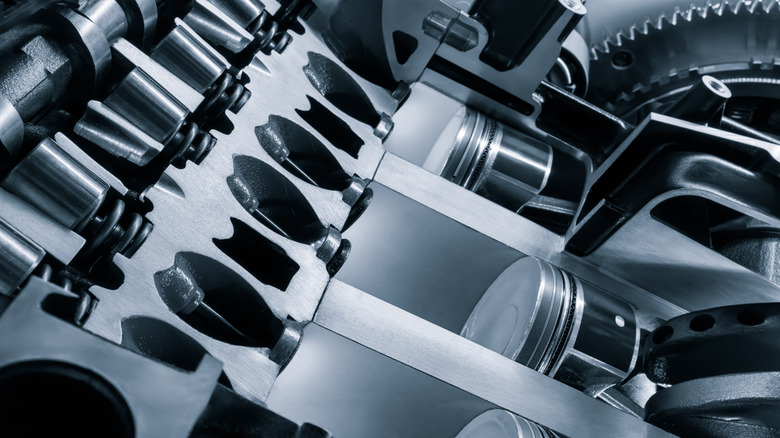
Many automakers have opted to add an electric motor (or two) and a high-voltage battery pack to form a hybrid power train to make an internal-combustion engine more fuel-efficient, but you can go the route of cylinder deactivation. As the name suggests, cylinder deactivation temporarily shuts down some cylinders when the engine does not need its full power output, which helps with fuel efficiency and thereby reduces carbon-dioxide emissions.
You'll usually find cylinder deactivation tech in larger engines, such as Chevrolet's 5.3-liter EcoTec V8, although some four-cylinder engines also use it — Volkswagen's 1.5-liter TSI Evo 2 and Mazda's 2.5-liter Skyactiv-G come to mind. But while the idea of shutting down cylinders to save on fuel and cut emissions sounds great on paper, things aren't so cut-and-dry in real life. Cylinder deactivation adds mechanical and electronic complexity to an engine. Depending on the design, a cylinder deactivation system may rely on oil-pressure-controlled valve lifters and specialized valve mechanisms to switch cylinders on and off. Therefore, if your engine is equipped with cylinder deactivation, you run the risk of these extra components malfunctioning or failing, along with other potential issues like excessive oil consumption, fouled spark plugs, misfires, and more. Granted, these issues aren't inevitable, and reliability varies by engine, but some cylinder-deactivation systems have developed well-documented problems.
How cylinder deactivation works
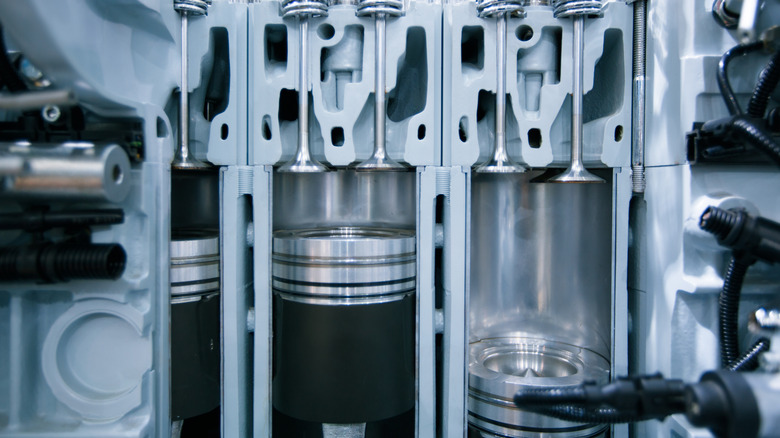
When an engine operates under light loads, it often doesn't need all its cylinders to produce the required power to keep the wheels turning. Cylinder deactivation, also known as Active Fuel Management (AFM) in GM's case, allows the engine control unit to shut down selected cylinders until additional power is needed. In many gasoline engines, the system cuts ignition and fuel delivery and keeps the intake and exhaust valves closed in the deactivated cylinders. Their pistons continue moving, but the trapped gas reduces the work required to move them. A lot of cylinder-deactivation systems also use hydraulically controlled lifters or rocker-arm mechanisms to stop the valves from opening. Oil-control solenoids direct pressurized engine oil to these components, while the engine control unit manages the transition between operating modes. When the driver accelerates or encounters a hill, the system reactivates the cylinders to restore power.
Cylinder deactivation isn't some fancy new tech. It's been around for decades, with Cadillac introducing its first V8-6-4 system for the 1981 model year, which allowed the V8 engine to operate using eight, six, or four cylinders. However, the system suffered from hesitation and abrupt power transitions, partly because contemporary engine-control technology struggled to manage the changes smoothly. Still, in testing conducted by the Environmental Protection Agency (PDF) in 1981, cylinder deactivation led to fuel efficiency improvements of 3% to 20% for an eight-cylinder engine. Modern electronics have made cylinder deactivation more seamless and reliable, but the additional hardware still creates potential failure points. And although cylinder deactivation improves fuel efficiency during steady cruising, its benefits will likely be limited in stop-and-go traffic or when frequent acceleration keeps all cylinders active.
Issues that cylinder deactivation can give rise to
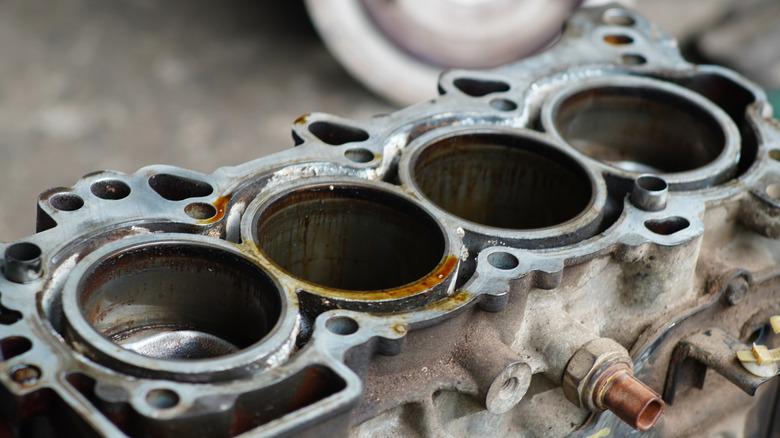
A common concern associated with some cylinder-deactivation engines is excessive oil consumption. In some cylinder-deactivation systems, oil can enter the combustion chambers through the crankcase ventilation system or other pathways. Deposits in piston-ring grooves may also interfere with ring movement, allowing more oil to pass into the cylinders. Burning oil can foul spark plugs, trigger misfires, and cause blue exhaust smoke. Of course, these symptoms are not solely tied to cylinder deactivation, though, so proper diagnosis is essential.
Lifter failures are another potential issue related to cylinder activation. If a hydraulically operated lifter fails to lock or unlock correctly, the affected cylinder may not operate as intended, and you might notice ticking noises, misfires, rough running, or reduced power. A failed lifter can even damage the camshaft, which is a hefty repair bill. Cylinder deactivation can also cause noticeable vibrations or changes in engine sound as the engine switches between operating modes.
Automakers have largely relied on software updates to smoothen this transition. For example, in 2019, Mazda recalled over 245,000 units of the 2018-2019 CX-5 and Mazda6, along with over 17,000 units of the 2019 Mazda3, over an improper transition from reduced-power to full-power mode by the powertrain control module (PCM). Under specific conditions, a rocker arm could move out of position and contact internal engine components, potentially causing a misfire, loss of power, or engine stall. The issue was rectified via a PCM software update implemented for free by Mazda dealers.
That said, not every cylinder-deactivation engine is automatically unreliable. If you own a car equipped with cylinder deactivation, it's best to adhere to the factory-specified maintenance schedule, use the correct engine oil, keep an eye on oil levels, and investigate unusual noises or warning lights promptly. Checking for applicable recalls and technical service bulletins is also worthwhile.