

NHTSA Pledges To Modernize Headlight Standards Again, For Realsies This Time
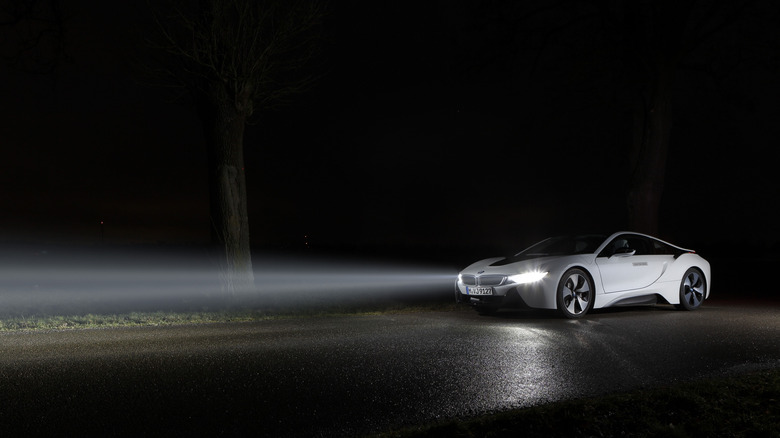
The U.S. National Highway Traffic Safety Administration establishes regulations for virtually everything on all cars sold in the country, but NHTSA is not known for being especially progressive or proactive with its legislation. Ever notice how U.S.-market cars of the early 1980s had uglier headlights than the same car had in different markets? That was due to an outdated NHTSA regulation, and still-outdated NHTSA headlight regulations prohibit carmakers from selling us their advanced headlight technologies, including safety-oriented features like adaptive matrix lights that avoid blinding other drivers. NHTSA announced on Monday that it will be working with industry experts to address these concerns and more, for real this time.
Federal Motor Vehicle Safety Standard No. 108 is the rule that governs vehicle lighting in the U.S., and though NHTSA last amended the lighting standard in 2022, that revision was insufficient to bring our standards into line with those of most other countries, so it didn't result in much improvement. By collaborating with 18 vehicle lighting manufacturers, safety organizations, motor vehicle equipment associations, research institutions, and engineering associations, NHTSA wants this new revision to be the one that sticks.
It could be the first meaningful update to the rules in 25 years
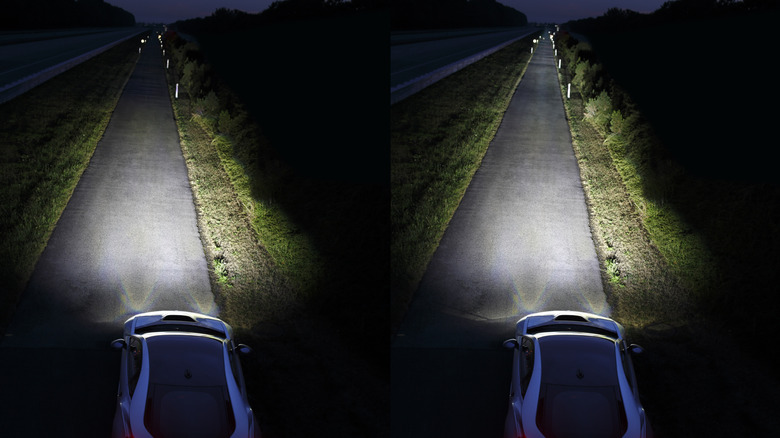
NHTSA Administrator Jonathan Morrison said, "Today's standards do not allow automakers to deploy the latest safety-improving lighting technologies, so we are bringing key experts and stakeholders together to modernize our standards and address potential causes of glare."
There are five key areas that this update will focus on: aligning U.S. regulations with international safety standards, addressing headlight glare on other road users, improving performance, updating testing and materials, and modernizing lighting technology with rules for LEDs, dusk sensors, auto high beams, and replaceable light sources.
Hopefully these negotiations will allow the headlights on new cars to be more effective, safer, and less blinding to other drivers. As of now, most LED headlights and tail lights require the entire unit to be replaced when one goes out, costing owners thousands of dollars rather than simply replacing a bulb. The line item of updating testing and materials includes a provision for streamlining test procedures for plastic optics and replaceable lenses, and there's a note about using replaceable light sources, which could mean that regulations governing the replacement process of headlights could make the process cheaper for owners.
As of now, this is just an announcement of the decision to undertake the revision in partnership with industry experts, so no changes have been made just yet. Some automakers have recently already been able to start bringing in fancier headlight technology to our shores, though, like the lights on the new Audi Q7.