

7 Tips For Successful Camping With An SUV
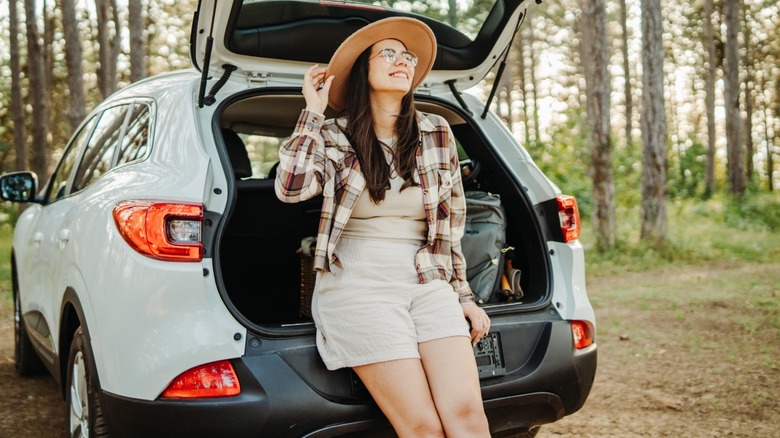
Camping has been putting the "Sport" back in "Sport Utility Vehicle" for several years now, as SUVs have become the vehicle of choice for an increasing number of campers. The high clearance and 4WD capability of many mid-size and full-size SUVs make them ideal for navigating remote spots. They have plenty of room for camping gear, and lots of people have looked at the cargo area and thought, "I could sleep in there." Others have bolted a pop-up tent on the roof or strapped one to the back of their SUV.
Still, getting the best SUV camping experience requires some planning and forethought. For example, do you plan to sleep inside your SUV? Then you'd better make sure you have enough room. Are you going off-roading? In this case, it's best to have four-wheel drive (4WD). When pulling a boat or camper, towing capacity is naturally a significant consideration.
Other SUV camping tips, which we'll explore below, include not overpacking, planning for extreme weather, carrying enough water, checking local laws regarding in-vehicle sleeping, packing the right gear, and tent configurations. While SUV camping can be as simple as throwing your gear in the back and going, you'll have even more fun once you know what you're doing.
Get the right SUV
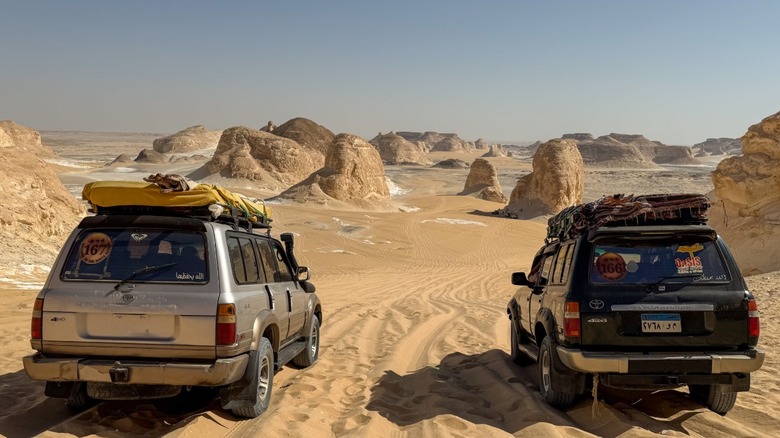
We're old enough to remember a time when "SUV" invoked the image of a road mammoth like the Chevy Suburban. SUVs back then were often classified as "light trucks" due to their size. It's not hard to imagine sleeping in one of those. Nowadays, these vehicles come in all kinds of sizes, some of which aren't as long as a full-size sedan. So, not all SUVs are well-suited for doubling as a camper. For example, is there enough room in the back of your SUV with the rear seats folded down for you to stretch out? Can you sit up on your mattress without bumping your head on the ceiling? Is there enough room for you and your gear in the back?
You may think sleeping room isn't a notable factor if you're spending most of your time outside. But what if it rains? You might find yourself unexpectedly spending hours inside your SUV during the day. Do you have enough room to make yourself comfortable while you wait for it to dry up?
Full-size SUVs with a lot of room include the Chevy Tahoe, Jeep Grand Wagoneer, Ford Expedition, and, of course, the Suburban. You can make do with mid-size SUVs, but you'll need to pack more lightly. Other factors you may need to consider include off-road capability beyond 4WD — such as having dedicated off-road modes or all-terrain tires — towing capacity, and whether the rear seat(s) fold completely flat.
Think minimal
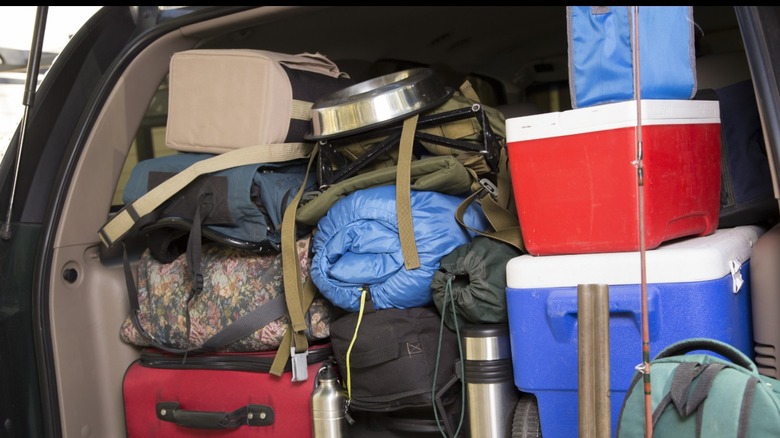
YouTubers have a lot to answer for. The nomadic influencers who live in their vans, RVs, trucks, or SUVs will excitedly show you their latest camping gadget, usually labeling it a "game changer!" Of course they say that – they're usually sponsored by these products. If you're not careful, though, you could find yourself thinking you can't have a decent camping experience without that EcoFlow, huge Jackery, or Mr. Buddy heater.
Space is at a premium inside of an SUV, even if you have a full-size monster, like the Ford Expedition. So, it's important to think about what you really need, and dispense with the rest.
Some of us start the other way, thinking we need just the bare essentials, later realizing we underestimated what those essentials are. For example, we might have a single-burner butane stove we use for cooking when we really needed a double-burner. Experience will teach you the right balance, and we've found the off-grid car camping gear that we can't live without. A good rule of thumb: when you're considering getting an additional piece of camping gear, figure out which piece you currently have that you can get rid of or leave at home.
Another good rule is, "A place for everything and everything in its place." In other words, the smaller the space, the more organized you need to be.
Prepare for the weather
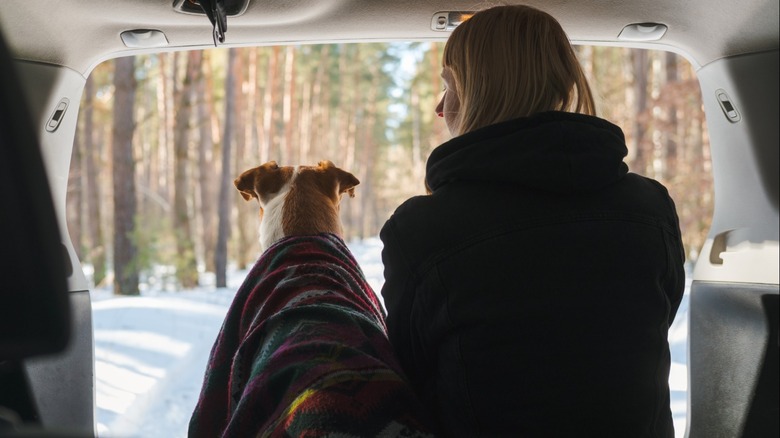
Winter brings its own challenges when camping. You might be tempted to try out a portable propane heater, but we don't recommend it due to potential carbon monoxide buildup. While having your windows and doors slightly open can reduce the likelihood of carbon monoxide buildup, this strategy naturally isn't compatible with cold weather.
We also don't recommend letting your SUV idle for too long while you're inside it. Even a small leak in your exhaust system can cause carbon monoxide to seep into the cabin. Safer options include layered clothing and sleeping bags rated for extreme cold.
Did you know that on an 80-degree Fahrenheit day, it can reach up to 123 degrees inside your car after an hour in the sun? In turn, you need to think about how you'll keep cool on days that are even a little bit warm.
Rolling your windows down and putting your liftgate up can help you stay cool when camping in warmer temperatures. Just make sure that an open liftgate won't keep a dome light on and drain your battery. You should also pick up some mosquito screens to keep bugs out while you enjoy the breeze.
Using a portable fan is another strategy that can go a long way towards keeping you cool. You can find several inexpensive fans with rechargeable batteries on Amazon. A charge on one of these fans tends to last a long time, and many of them can also be used as an additional light source.
Bring enough water and flexible water storage
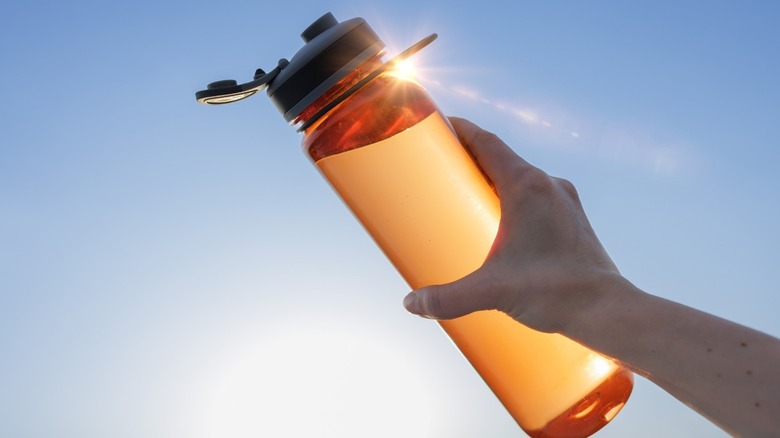
One thing you should not sacrifice for the sake of space is water, especially in a remote spot. Plan ahead for how much water you need for drinking, washing dishes, and bathing. There are ways to conserve water, of course. Sponge bathing, for example, uses much less water than a portable shower. To save space, use collapsible water containers that you can fill up, then fold down when they're empty.
You should never drink water straight out of a stream or river, no matter how clear or refreshing it looks. Harmful bacteria can lurk in lots of nice-looking bodies of water, even out in the wilderness. There are filters you can buy to remove parasites and bacteria from backwater and tablets for killing viruses and bacteria missed by the filter. You could also just boil the water first.
It's a good idea to bring water, even if you're going to a campground that makes water available. The taste of campground water, in our experience, leaves much to be desired. We also found out after pulling into some campsites that the water wasn't potable. Fortunately, you can take the same measures to clean campground water as you would for naturally sourced water.
Make sure you're legally allowed to sleep in your SUV
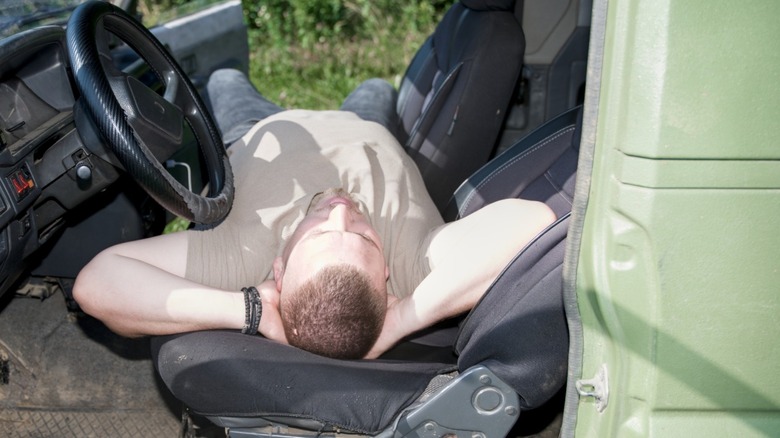
There are plenty of places around the country where authorities don't care if you camp in your vehicle. That's not true everywhere, though. In fact, it's not even consistent among national forests.
Federal land is a favorite place for "boondockers" (camping in a self-contained vehicle without electrical or water hookups). We recently looked into doing some dispersed truck camping in Ocala National Forest in Florida and were told by the ranger office that Ocala forbids sleeping in your vehicle. If you drive into camp in an undeveloped spot, you must sleep in a tent, which must be at least 100 yards away from your vehicle.
Florida's crackdown on people sleeping in their cars extends beyond federal land. The Sunshine State's House Bill 1365, which went into effect on October 1, 2024, prohibits any Florida county from allowing overnight vehicle sleeping in public spaces. The bill notes that public camping "does not include lodging or residing overnight in a motor vehicle that is registered, insured, and located in a place where it may lawfully be." Put simply, make sure a public Florida campground, or any campground you're using in the U.S., allows SUV camping ahead of time.
If you're unsure of whether you'll be camping somewhere with restrictions, consider bringing a small pop-up tent that you can pitch next to your vehicle. We carry a small three-person (or so the box says) tent that can be set up in 10 minutes. It usually sits empty while we sleep in the truck. It's silly, but no one bothers us about it.
Pack the right gear
Earlier, we talked about prioritizing essentials. Let's take a closer look at how to organize this planning, along with a few commonly overlooked essentials.
We like to make a checklist of things to bring on our camping trip before packing our vehicle. A list will keep you from unpleasant experiences like wearing the same pair of underwear for three days in a row, not that we would know anything about that.
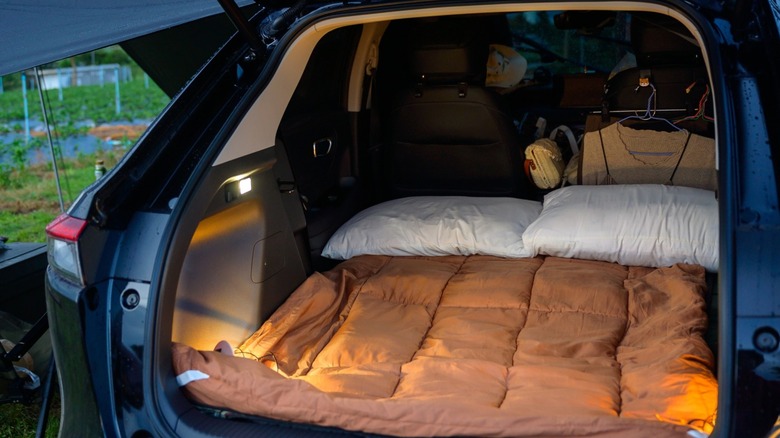
No doubt, you're already planning meals, and thus what food to bring. You also know which clothes you want to wear, and you're thinking about practical items for hygiene and bedding. Speaking of bedding, the floor of an SUV's cargo area can be uncomfortable, so you may want to bring a roll-up air mattress or sleeping pad.
Safety is a commonly overlooked area when it comes to vital supplies. Everyone who goes camping should have a well-stocked first aid kit. It's a smart thing to keep in your vehicle at all times, not just when you're camping. Flashlights are also very important for safety, especially for those times when nature calls in the middle of the night.
While we don't recommend portable propane heaters, extended idling, or cooking inside your SUV, bringing a carbon monoxide alarm protects against instances where toxic fumes may enter your interior.
Consider getting an SUV tent
Many know about tents that attach to the back of SUVs. These products give you all kinds of advantages, like the ability to stand up in your shelter. A big enough tent also makes space for more bedding options, such as a full-size cot. Don't forget about how it's easier to wait out inclement weather in an attachable tent than in a cargo area.
We recommend getting at least a "six-person" tent if you go this route. Why that large? Capacities listed on these tents' boxes are rarely realistic. Unless they're all pals of Snow White, there's no way six grown adults are going to be comfortable in a typical six-person tent. It's more like two to three people at most.
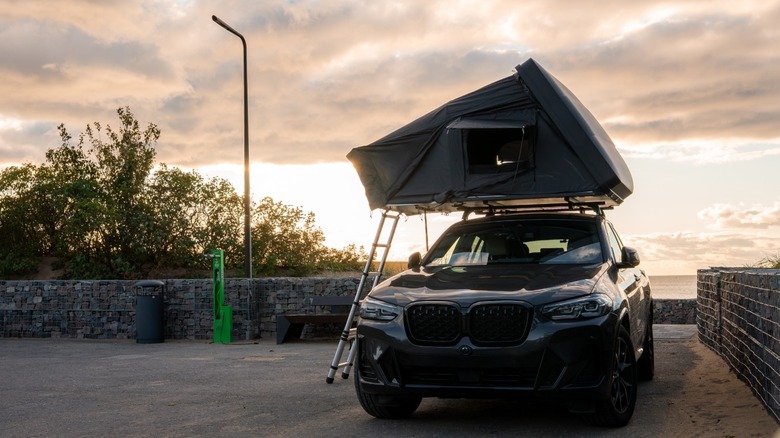
Another option is a rooftop tent. These have become pretty popular, especially among off-roaders. One of our writers enjoyed the one he reviewed. A key rooftop tent advantage is that you can completely dedicate your SUV's cargo area to storing gear. These tents often provide a nice view, too.
What tips do you have for camping with an SUV? Put them in the comments below.