

U.S. Navy Spent $3.4 Billion On Idled Submarines, Could Spend Another $3.1 Billion Waiting To Decommission More
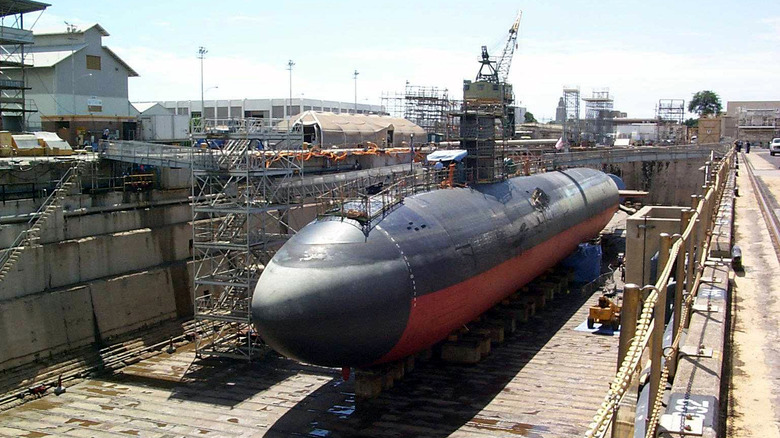
Over the last decade, the U.S. Navy has spent $3.4 billion on attack submarines waiting for maintenance, sometimes for years at a stretch, according to a new report from the Government Accountability Office. Looking forward, Navy shipyards are so backlogged with work that they may not be able to get to the subs marked for decommission for another few years, adding up to a further $3.1 billion. That is a total of $6.5 billion of your dollars spent on attack subs that can't do anything, and in some cases, won't ever do anything again. What did you want, health care?
The GAO report, a public version of a more thorough classified one, says that our collective security has lost over 15,000 operational days out of subs on active idle time. That means the boats are awaiting repairs significant enough to mandate that they stay pier-side, and they cannot conduct operations. While the repairs themselves do take time, which is understandable, it's the waiting that's draining the coffers. Keep in mind that submarines, even if they're just docked, must remain fully crewed. Yes, join the Navy, where you, citizen, could keep our proud country safe by sitting in an idled sub.
Waiting for the end
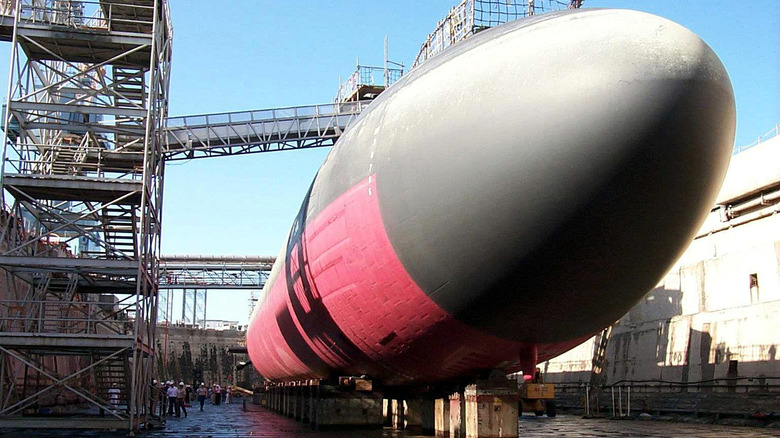
As opposed to active idle time, when the boat is waiting for repair, inactive idle time is when the boat is waiting to be decommissioned altogether. It will never set sail again, it will never conduct an operation again: It's being put out to pasture. Even these boats must remain fully crewed, which is just wild when you think about the money and manpower being spent on that.
The trouble is that these subs have nuclear reactors, and you can't just switch one of those off. Expert personnel have to keep maintaining it. Since these can only be defueled at dry dock, the sub has to wait for a slot at one to open, and that's where the backlog is. The GAO mentions that the Navy could invest in finding ways to defuel at the pier, but that's theoretical for now. In the meantime, the Navy is now experimenting with only keeping reduced crews on inactive boats. That makes sense: I don't think the sonar guy is really helping with the nuclear reactor much.
As an example, the report calls out the USS Pasadena, a Los Angeles-class sub that went on inactive idle status in January 2025. But it's scheduled decommission date is... November 2028, nearly four years later. Four years just sitting at the dock, waiting to die, fully crewed. Trying to make the best of a bad situation, the Navy is crewing it with fresh recruits, using the Pasadena as a training vessel. That will be an estimated $300 million bill for the whole period, thank you. Remember to tip.
Getting better, getting worse
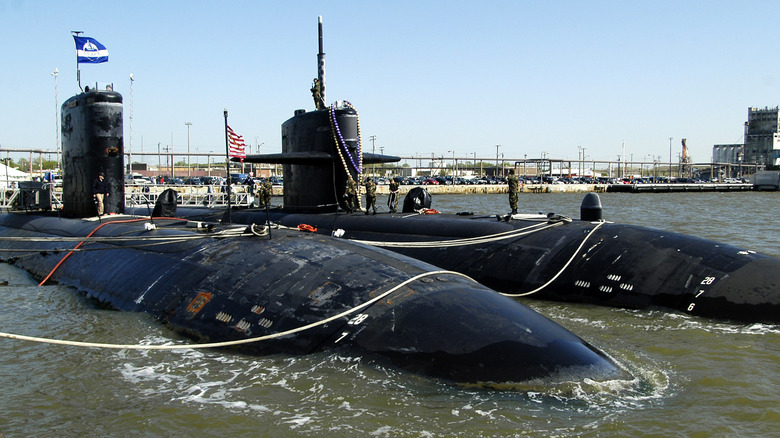
There's good news on the active idle front and bad news on the inactive idle one. On the active side, the Navy has made some strides in reducing the wait times for repairs. That got so good that, in January, the Navy had no active idle subs at all for the first time since 2013, per Newsweek. So while we lost 15,000 operational days over the last decade, we're losing none now. Progress!
On the decommissioning side, it's all going downhill. Wait times are projected to increase in the future, since drydock capacity is just so strained. Reducing crew sizes will soften the blow, but it's still a grim situation. Efforts are underway to try to regrow America's shipbuilding muscles, but that's a long-term prospect, if it happens at all. For now, the GAO report mentions that the Navy may start extending the service life for some subs. Is that a good thing, to have subs so old they should be retired out defending the seas? Probably not, but it's where we are.