

Strategic Oil Reserves So Low, The U.S. Risks Damaging The Salt Caverns Where We Stash Our Emergency Oil
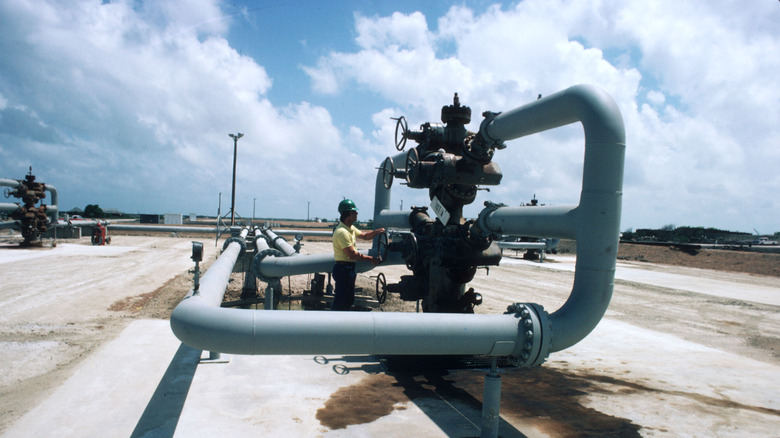
Gas and diesel are a lot more expensive than they were before Trump started his losing war with Iran, but prices have still stayed lower than you'd expect, given how much oil usually flows through the Strait of Hormuz. As the bots and bootlickers love to point out, gas briefly hit a much higher peak back in 2022, after Russia invaded Ukraine, and prices have largely stayed low because countries have been digging into their strategic oil reserves. Reserves only last so long, though, and the U.S. is running low. So low that CNBC reports we risk damaging the salt caverns where we store our oil reserves.
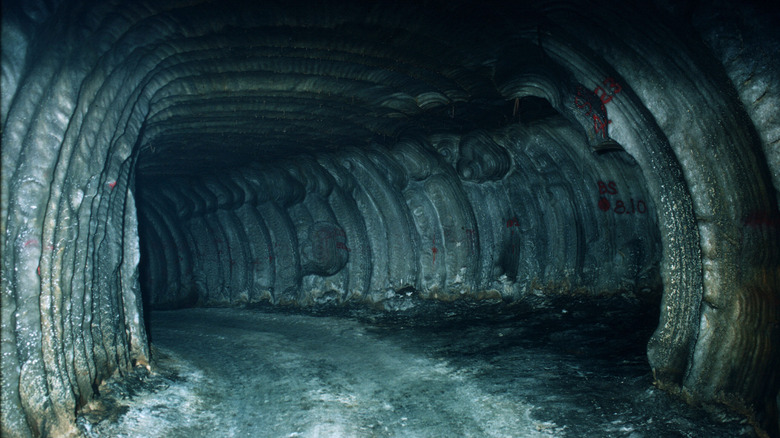
There's a good chance that you've already seen reports that our Strategic Petroleum Reserve is getting low. Once the current drawdown is finished, the SPR will sit at about 243 million barrels — the first time the U.S. SPR has fallen below 300 million barrels since 1983. Considering the SPR has only existed since 1975 and took time to fill, that's not great. Not just because we have a limited amount of oil left but because we risk damaging the 60 Louisiana and Texas caverns that store the oil if we keep dipping into our remaining supply. Fixing a damaged warehouse is one thing, but an underground salt cave full of oil is a little different.
Releasing oil from the reserve requires pumping water into the caves, pushing the oil high enough to be pumped out. It's theoretically possible to release all but 70 million barrels, but that's the minimum level required to keep the pipes submerged in oil. So even though it may sound like a lot, at 70 million barrels, the SPR would effectively be empty. Siddharth Misra, a Texas A&M petroleum engineering professor, told CNBC, "the practical operational floor for the crude inventory is between 250 million and 300 million barrels." Once the SPR gets lower than that level, "cavern integrity and overall operational capability are at an elevated risk."
SPR cave collapse
Officially, the White House isn't worried about damage. Energy Department spokesman Ben Dietderich told CNBC, "The caverns are always full. All that changes is the ratio of oil and water that is filling them," and said the Trump administration is "responsibly managing the SPR as the critical national security asset it was designed to be." Others don't necessarily agree. As former Biden senior energy advisor Amos Hochstein told CNBC, "I don't know anyone who believes we can go below 300. I know plenty of people who think we can't get near 300 because physically you will damage the caverns where the oil is stored."
Why is letting the SPR fall below 300 million barrels a bad thing? From CNBC:
When the inventory drops below 300 million barrels, the SPR loses its ability to pump oil at rapid speeds to address emergencies, Misra said. The system's pipes and pumps could also get damaged as the oil layer thins at the top and sludge rises toward the extraction intake at the cavern ceiling, he said.
Fresh water is often pumped into the caverns during rapid drawdowns, which dissolves the salt walls, Misra said. This "creates flatter, less stable roof and severely thins the critical salt pillars that separate adjacent caverns, greatly increasing the geological risk of a structural cave-in," he said.
So yeah, it's possible that releasing more oil from the SPR could result in the caves collapsing and more or less destroying the whole thing. The way we've been using the SPR in recent decades hasn't made the situation any better, either. The system was originally designed to be drawn down completely and refilled five times, but past presidents have tapped into it dozens of times over the last 40 years. According to Misra, there's a reason they weren't supposed to do that:
Because the system was not designed for this many cycles, the repeated injection of water and extraction of oil have caused severe cavern deformation, accelerated the rate of massive salt falls from the ceilings, and significantly weakened the overall structural integrity of the aging reserve.