

Want To Sell Your Car On Facebook? Here's What To Expect
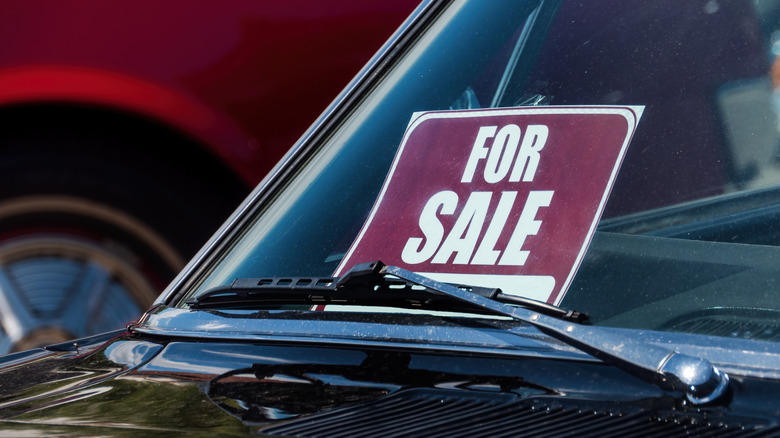
Selling a car can be a real hassle, and that's even before you have to deal with negotiation and fussy buyers. Before you get to that point, you first need to figure out a fair asking price, find a place to list the car, upload photos, and write a convincing sales description.
While there are many platforms that will happily take your money in exchange for a sales spot, Facebook Marketplace is one of the most popular places for sellers to list their cars. There are some reasons for the platform's success, perhaps most-notably the fact that it's free of charge — although Facebook did try charging dealers for using the service — and the audience there is massive.
However, there are some drawbacks to consider, which you might not immediately expect when listing a car on the social media platform. These range from slightly frustrating to the unfortunately quite dangerous, with everything from annoying messages to outright scams and certainly physical safety concerns. On top of knowing how to stay safe when selling on Marketplace, it's important to know the process and what to expect when you're selling your car on Marketplace.
Listing a car for sale is a pretty easy thing to do

The biggest selling point for listing your car on Marketplace is probably that it's free to do so. It's not the only free-to-list platform out there, but in a world where places like AutoTrader and eBay Motors charge between $9 and $49, or $34 and $79 respectively, the zero-dollar approach adopted by Facebook certainly is welcoming. Even Craigslist, which used to be free, started charging $5 per listing for auto sales.
Sellers can also expect an incredibly easy process when actually creating the advertisement. Firstly, for existing users of Facebook, there is no need to sign up and separately create a new account for Marketplace selling. Secondly, the app lays out the required information very neatly. Just write a compelling description, name your price and location, then attach a handful of enticing photographs. It's all pretty plug-and-play. The process is easy to follow, and within minutes the listing can be live and generating interest.
Once the ad is live, it's also pretty easy to increase the number of eyes on it. Paying for a boost is simple, or, sellers share their listing within relevant local groups, such as 'cars for sale in XYZ area', which should help them get the attention of interested parties.
The messages come rolling in

Depending on how appealing your listing is, you'll get a number of messages once it's gone live. Undoubtedly, sellers will be hit with the standard "Is this still available?" inquiry, and not just once either, but over and over again. It can quickly become tiresome to reply to such lazy messages (the buyers just have to push that button; they don't have to spell it out), so some experienced sellers suggest it's wise to have a response saved on your device somewhere which can simply be copied and pasted as a reply. Some listings will go as far as stating that they won't reply to "Is this still available?" messages, but that can limit your audience pretty severely.
More than just a few lazy "Is this still available?" messages, you'll also probably get a few low-ball offers, or even messages completely unrelated to the sale. Try to sort those out from the real ones. Genuine messages from buyers should be replied to with honesty and effort – this is how to make the most of real and valuable messages. Also be sure to reply in a timely manner lest the buyer moves on to a different car. All of that will help you avoid bad selling experiences. Most genuine questions will be asking for specifics on the car, but be wary of messages with odd requests and links, as these could easily be scams.
One particularly common scam is when someone posing as a buyer sends links to verify proof of ownership. Don't trust those. They are designed to steal your login details instead, either for the Facebook account itself or a personal email address. The same goes for links that request payment details for specific vehicle reports. Basically, just be wary of any and all third-party links.
What to expect from the sale itself
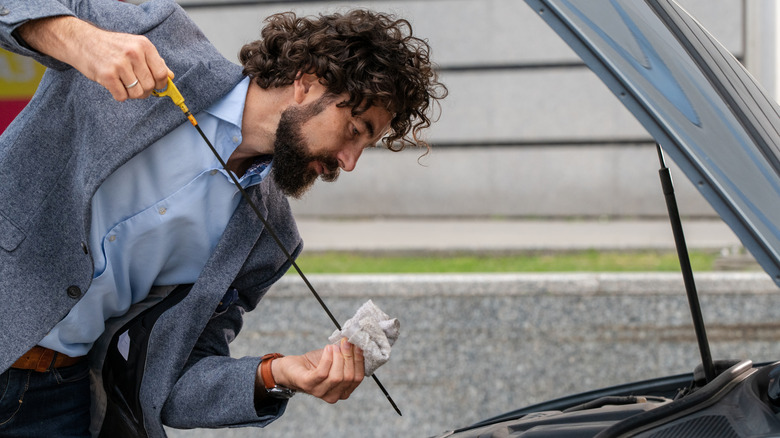
The speed of the actual sale largely depends on what you're selling, and how well you've listed it, as well as your willingness to meet up with the buyer. An old junker with an ambitious asking price might be up for a while without any interest, but a well-presented vehicle with an honest description and reasonable price could be sold pretty quickly.
It's likely most buyers are going to try and negotiate the price a little. For this reason, it's best to communicate clearly ahead of time, be upfront about the car in advance (so they don't have some surprise reason to knock a bunch of money off the asking price), and have a final price in mind – a number you just can't go below.
For your safety, consider having a trusted friend with you for the sale, and ask the buyer to meet you somewhere you feel comfortable. Going to a third-party location like a mechanic who's doing a pre-purchase inspection on the car, or a police station where CCTV is present, is a smart idea. The process from here on out will be the same regardless of which platform you use to advertise; just give them time and space to inspect the car, but don't hand over the keys without payment. Test drives can be okay, provided the buyer has proof of insurance but many sellers will offer to take them for a short drive instead.
Once a price has been agreed, either count the cash carefully (and verify at a bank with the seller present) or confirm the funds landed in your account before handing the keys and paperwork over. Oh, and remember to mark the listing as sold soon after to avoid any more "is this still available" messages.