

What Does Oil Starvation Mean?
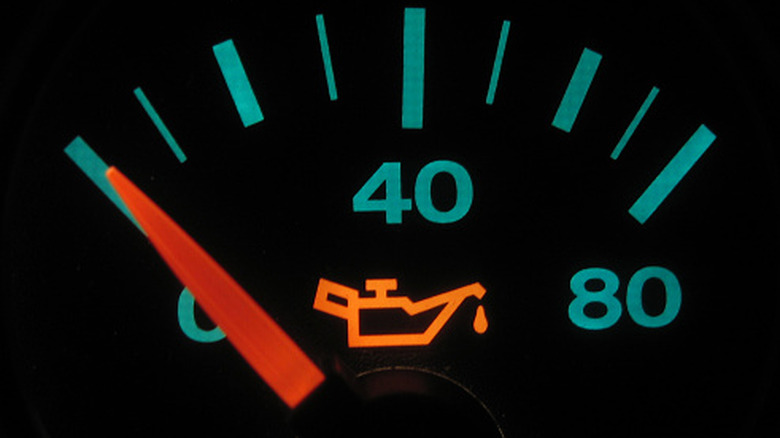
Oil is quite literally the lifeblood of a car's engine. Running an engine without enough (or any) oil means metal-on-metal friction thousands of times per minute. This creates massive heat and, if left to go on for even a short amount of time, can easily result in catastrophic engine failure. There exists a dreaded condition, however, in which an engine is seemingly topped up with enough oil but still has components that aren't getting lubricated enough. This is what's known as oil starvation.
Unless you have X-ray vision, of course, you can't really physically keep an eye on whether enough oil is getting into all your engine's nooks and crannies, but there are some telltale signs that oil starvation may be happening. The biggest one is, naturally, if your oil pressure warning light is on. Yes, your car should have a dedicated red or orange light in the instrument cluster that tells you whether there isn't enough oil pressure. It usually looks a bit like Aladdin's genie lamp with one drip falling out of the spout. If this light is on, there's a good chance your car has an oil starvation issue, and you should turn your engine off as soon as possible to avoid damage. Other symptoms may include a burning oil smell caused by leaking oil dripping onto hot engine parts, overheating, knocking or otherwise weird noises coming from under the hood, poor fuel economy, and an engine that generally isn't running as well as it should.
What causes oil starvation and what should you do about it?
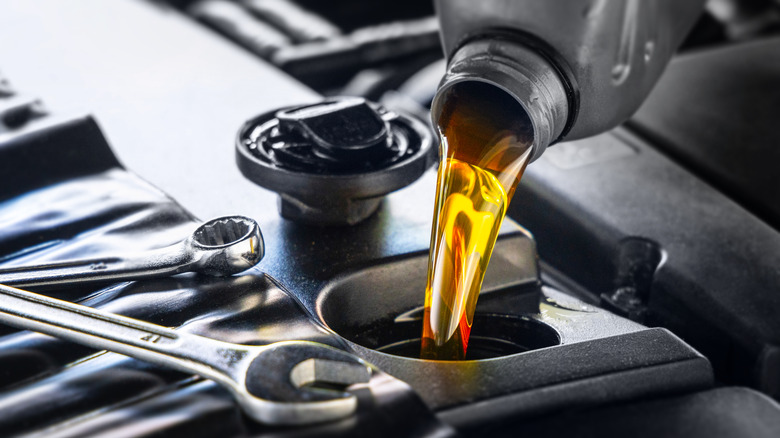
The causes of oil starvation are equally numerous. Low engine oil levels or any sort of oil leak would obviously cause oil starvation, but so could a bad or clogged oil filter (the canister-looking thing that keeps oil clean and is supposed to be replaced every time you change the oil), using the wrong grade of oil or oil that's gone bad from sitting too long, a faulty oil pump, or blockages caused by carbon deposits or stray sealant. That last one may ring a bell for regular Jalopnik readers, as it was also the alleged cause of the first-gen Toyota 86/Subaru BRZ engine failure fiasco a few years ago. Those cars' successors, the GR86 and second-gen BRZ, aren't immune to oil starvation issues either, as hard cornering on track days (what the cars were arguably designed for) causes oil to slosh to one side of their FA24D boxer-4. Very not good, especially considering that engine's horizontal nature. The aftermarket, by the way, has since developed a $999.95 aluminum oil pan with baffles that is said to solve this.
All that said, oil starvation issues are relatively rare in new cars, but not unheard of – click here to educate yourself on exactly how much burn is normal. For many older cars, though, especially enthusiast ones, oil burn is simply part of the game, making oil starvation a persistent but ultimately manageable threat. If you think your engine oil may be running low or thin, turn the car off as soon as you can. Let it cool down, check the dipstick, and top up accordingly.