

Why Germany Bans Big Rigs From Its Autobahn Every Single Sunday And Holiday
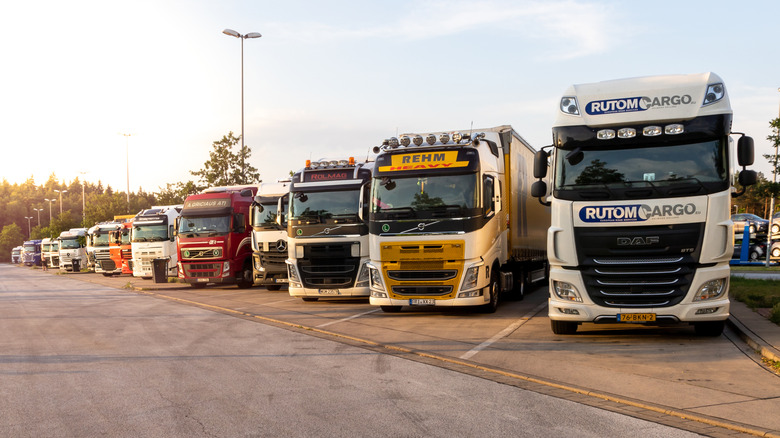
Based on the amount of daylight and hot weather in Sam Peckinpah's hit 1978 action film "Convoy," there's a good chance the world will never see a remake that takes place on Germany's autobahn. Not due to any lack of interest in such a picture (though we'd pay to see it) but because Germany bans big rigs from traveling on all of its roads — including the autobahn — every Sunday and various holidays. Additional autobahn-only restrictions are in place on Saturdays during a two-month period over the summer. Thus, there's a chance these restrictions would mess with any major studio's production schedule.
There are exceptions, but them's the rules from a land that really loves rules. This is especially true when it comes to driving on the autobahn itself. And while these rules may sound like an infringement on truckers' rights and overall commerce, the reasoning behind them is rooted in the greater good, especially when a lot of people are on vacation.
Germany bans big rigs from its autobahn every single Sunday and holiday to, in the words of the country's Federal Ministry of Transport, minimize traffic congestion during this period. It's also rooted in improving road safety and environmental protection, as well as keeping noise down in the name of "Ruhezeit," or quiet time. But there are exceptions — let's dig into what exactly the law says, what the affected areas are, and which rigs don't have to worry about staying off the road during these times.
Be careful hauling over 7.5 metric tons on Christmas Day evening
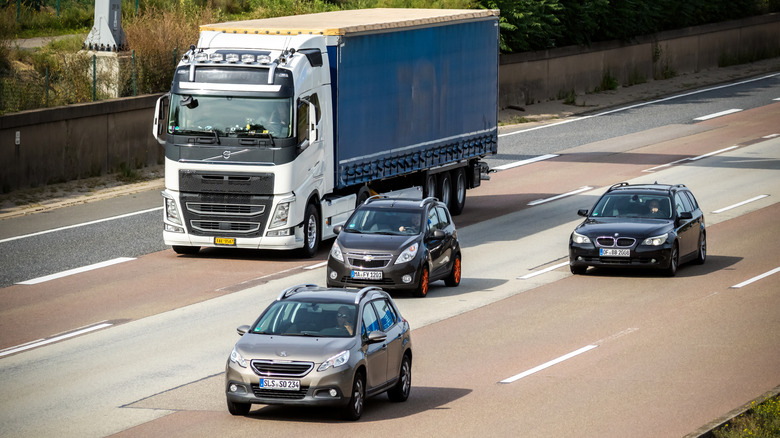
German law says that big rigs of a certain size or carrying a certain load can't be on the road every single Sunday or during German public holidays – plus certain individual state holidays – between midnight and 10 p.m. There is a similar ban that applies on Saturdays between July 1 and August 31, between the hours of 7 a.m. and 8 p.m. And this concerns all 16 German states — no renegade state stuff going on here.
However, there are exceptions. The Sunday and holiday ban only covers vehicles in excess of 7.5 metric tons or those consisting of a truck-and-trailer combination. Food transport, emergency and disaster relief, agriculture, and certain other essential services may operate. Truckers can resume ticking off the miles at 10 p.m. during either, but be careful on Christmas Day. You'd better pull over by midnight there, hoss, because December 25 and 26 are both public holidays.
Regarding the summer-months ban, don't worry, the land with a language that makes paragraphs out of sentences specifies what particular areas are covered, in case you were wondering.
If you're transporting fresh or live fish, drive on
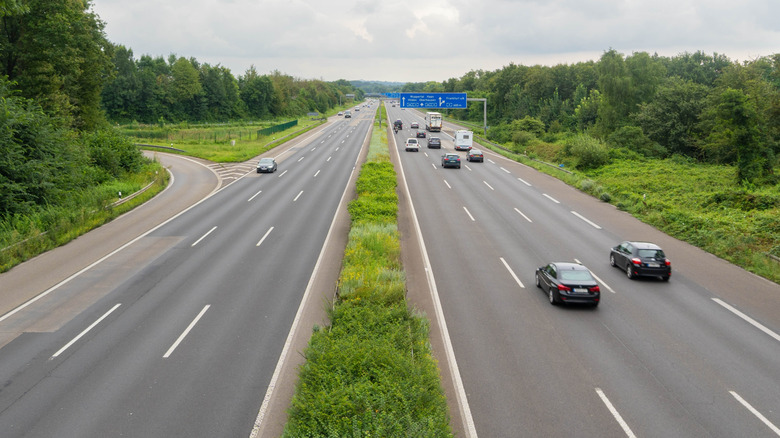
The summer ban has a few exemptions as well, such as if you're carting around bees, fresh fish, live fish, perishable fruits and vegetables, fresh "meat and meat products," among others. Not that we think any portion of Jalopnik's regular readership is going to ditch their day job and pursue their lifelong passion for transporting goods around the land of Bach and Die Fantastischen Vier, but hey, we fully support you if you do.
According to German law, if drivers are caught by the fuzz, they'll be fined 120 euros, whereas their employer will be fined 570 euros. Makes sense for a country that counts May 1 as a public holiday.
Germany bans big rigs from its roads every single Sunday and holiday, as well as for two months in the summer on the autobahn because it wants the flow of traffic to be a little less impeded. Not only that, it wants to give the environment a break, cut down on noise, bolster public peace, and make driving passenger vehicles a little safer. Jokes about a Convoy remake aside, it's nice to know that traffic will ease up a bit during these bans' hours if we're ever there on vacation, savoring the legendary stretches of this highway system in a true autobahn cruiser and making our own top speed runs.